
Trump's Crypto Order Sparks Bitcoin vs XRP Debate
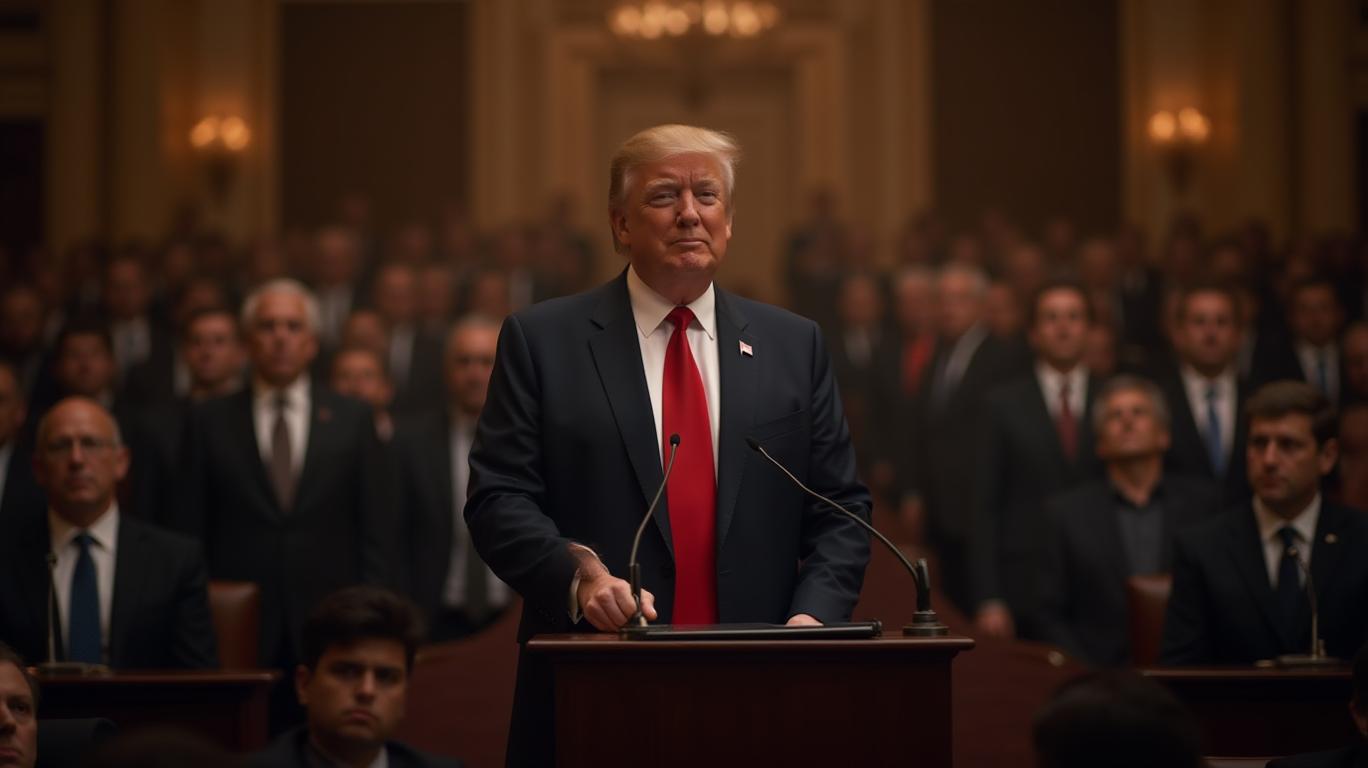
Over the weekend, a heated debate erupted between the Bitcoin and XRP communities, sparked by former President Donald Trump's announcement of a "Digital Asset Stockpile" under his administration's crypto executive order. While many expected a declaration of a "Bitcoin Strategic Reserve," the broader term ignited discussions about whether assets beyond Bitcoin, particularly XRP, would be included in the United States' national digital asset holdings.
Jason P. Lowery, a US Space Force officer and astronautical engineer known for his MIT thesis linking Bitcoin's Proof-of-Work consensus mechanism to national security infrastructure, weighed in on the question of whether the Trump administration would add other crypto assets to its "digital asset stockpile" besides Bitcoin.
In a post on Sunday, Lowery expressed skepticism about whether governments like those in the BRICS bloc (Brazil, Russia, India, China, and South Africa) would adopt a cryptocurrency perceived to be under US jurisdiction. He suggested that these nations would be more likely to adopt a coin that operates beyond US control and offers sovereign access to block space, ensuring transactions cannot be censored or denied.
Lowery's remarks underscore his thesis that Bitcoin's decentralized, censorship-resistant architecture appeals to nations outside the US sphere of influence, placing it in a unique position on the global geopolitical chessboard. He contends that the ultimate deciding factor for the next "global reserve asset" will be what other nations want to hold, particularly potential competitors and adversaries such as China or Russia.
While the Trump administration has yet to clarify whether any crypto beyond Bitcoin will be included in the US "Digital Asset Stockpile," Ripple advocates remain hopeful that regulatory clarity around XRP and ongoing partnerships with financial institutions may secure it a position as a recognized strategic asset. However, global trends and the actions of countries in the BRICS bloc and beyond could override any domestic optimism, potentially leading to a mass adoption of Bitcoin if nations decide that its decentralization and resistance to censorship confer a distinct geostrategic advantage.





Comentarios
Aún no hay comentarios