
Trump's Crypto Bailout: US Taxpayers at Risk
Generado por agente de IAWesley Park
lunes, 3 de marzo de 2025, 12:42 pm ET2 min de lectura
BTC--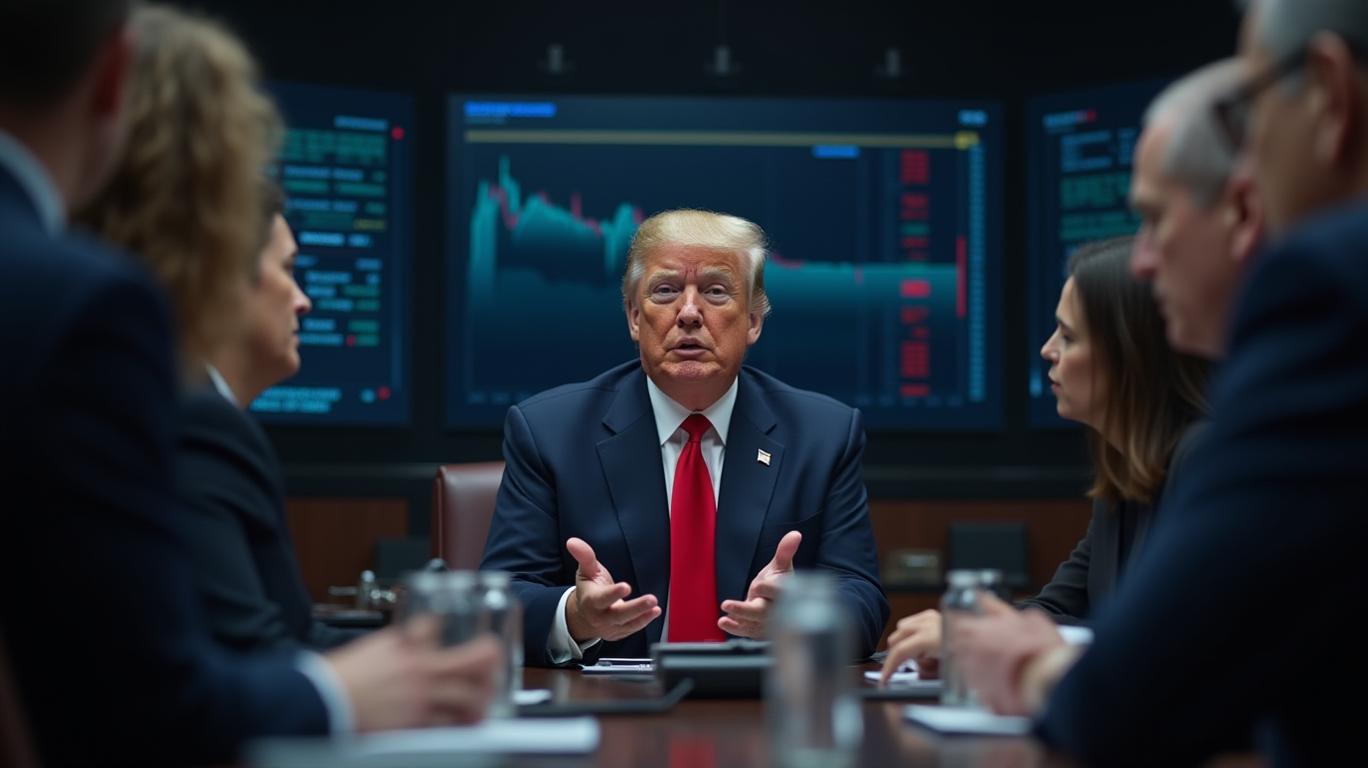
In a move that has left many scratching their heads, President Trump has announced plans to create a national crypto reserve, stockpiling five tokens: Bitcoin, Ether, XRP, Solana, and Cardano. While the crypto industry is cheering, critics from both sides of the political spectrum are raising red flags, warning that US taxpayers could be the biggest losers in this gamble.
The proposed reserve is music to the ears of crypto enthusiasts, who have already benefited from Trump's moves to pick regulators who are more lenient on digital currencies. The price of Bitcoin alone has jumped 36 percent since the election in November. However, the plan has drawn criticism from conservatives and ardent crypto backers alike, who argue that it could lead to further concentration of wealth among the rich and giveaways to an already wealthy community.
Joe Lonsdale, a friend of Elon Musk's and a major Trump supporter, wrote on X: "It’s wrong to steal my money for grift on the left; it’s also wrong to tax me for crypto bro schemes." This statement highlights the concern that taxpayer money would be used to prop up an asset disproportionately held by a rich clique, potentially exacerbating wealth inequality.
The specific shopping list of cryptocurrencies also raised eyebrows. XRP, Ripple, and Solana are relatively niche even among those who have parked money in Bitcoin. One meme spreading among Bitcoin fans on Sunday called the plan a "s---coin reserve," suggesting that the list closely mirrored a cryptocurrency fund that David Sacks, Trump's crypto tsar, had invested in. This further fueled concerns about the potential conflict of interest and the distribution of wealth.
Moreover, the sense of injustice rose when it emerged that an anonymous "whale" had made a highly leveraged bet on Bitcoin and Ethereum on Sunday on the trading service Hyperliquid, closing the position after the cryptocurrencies' price rise and making a $7m profit. This move led to frenzied speculation and raised questions about the fairness and transparency of the market.
The potential long-term economic consequences of the US government investing in highly volatile cryptocurrencies are significant. Market manipulation and speculation, opportunity cost, and reputation risk are all concerns that need to be addressed. To mitigate these risks, the government could consider diversification, long-term holding strategies, risk management, transparency and accountability, and establishing a clear regulatory framework for cryptocurrencies.
In conclusion, while President Trump's national crypto reserve may be a boon for the crypto industry, it could leave US taxpayers holding the bag. The distribution of wealth among US taxpayers could be negatively impacted, and the long-term economic consequences of investing in highly volatile cryptocurrencies are significant. It is crucial for the government to consider these factors and take steps to mitigate the risks associated with this move.
ETH--
JOE--
In a move that has left many scratching their heads, President Trump has announced plans to create a national crypto reserve, stockpiling five tokens: Bitcoin, Ether, XRP, Solana, and Cardano. While the crypto industry is cheering, critics from both sides of the political spectrum are raising red flags, warning that US taxpayers could be the biggest losers in this gamble.
The proposed reserve is music to the ears of crypto enthusiasts, who have already benefited from Trump's moves to pick regulators who are more lenient on digital currencies. The price of Bitcoin alone has jumped 36 percent since the election in November. However, the plan has drawn criticism from conservatives and ardent crypto backers alike, who argue that it could lead to further concentration of wealth among the rich and giveaways to an already wealthy community.
Joe Lonsdale, a friend of Elon Musk's and a major Trump supporter, wrote on X: "It’s wrong to steal my money for grift on the left; it’s also wrong to tax me for crypto bro schemes." This statement highlights the concern that taxpayer money would be used to prop up an asset disproportionately held by a rich clique, potentially exacerbating wealth inequality.
The specific shopping list of cryptocurrencies also raised eyebrows. XRP, Ripple, and Solana are relatively niche even among those who have parked money in Bitcoin. One meme spreading among Bitcoin fans on Sunday called the plan a "s---coin reserve," suggesting that the list closely mirrored a cryptocurrency fund that David Sacks, Trump's crypto tsar, had invested in. This further fueled concerns about the potential conflict of interest and the distribution of wealth.
Moreover, the sense of injustice rose when it emerged that an anonymous "whale" had made a highly leveraged bet on Bitcoin and Ethereum on Sunday on the trading service Hyperliquid, closing the position after the cryptocurrencies' price rise and making a $7m profit. This move led to frenzied speculation and raised questions about the fairness and transparency of the market.
The potential long-term economic consequences of the US government investing in highly volatile cryptocurrencies are significant. Market manipulation and speculation, opportunity cost, and reputation risk are all concerns that need to be addressed. To mitigate these risks, the government could consider diversification, long-term holding strategies, risk management, transparency and accountability, and establishing a clear regulatory framework for cryptocurrencies.
In conclusion, while President Trump's national crypto reserve may be a boon for the crypto industry, it could leave US taxpayers holding the bag. The distribution of wealth among US taxpayers could be negatively impacted, and the long-term economic consequences of investing in highly volatile cryptocurrencies are significant. It is crucial for the government to consider these factors and take steps to mitigate the risks associated with this move.

Divulgación editorial y transparencia de la IA: Ainvest News utiliza tecnología avanzada de Modelos de Lenguaje Largo (LLM) para sintetizar y analizar datos de mercado en tiempo real. Para garantizar los más altos estándares de integridad, cada artículo se somete a un riguroso proceso de verificación con participación humana.
Mientras la IA asiste en el procesamiento de datos y la redacción inicial, un miembro editorial profesional de Ainvest revisa, verifica y aprueba de forma independiente todo el contenido para garantizar su precisión y cumplimiento con los estándares editoriales de Ainvest Fintech Inc. Esta supervisión humana está diseñada para mitigar las alucinaciones de la IA y garantizar el contexto financiero.
Advertencia sobre inversiones: Este contenido se proporciona únicamente con fines informativos y no constituye asesoramiento profesional de inversión, legal o financiero. Los mercados conllevan riesgos inherentes. Se recomienda a los usuarios que realicen una investigación independiente o consulten a un asesor financiero certificado antes de tomar cualquier decisión. Ainvest Fintech Inc. se exime de toda responsabilidad por las acciones tomadas con base en esta información. ¿Encontró un error? Reportar un problema




Comentarios
Aún no hay comentarios