
Trump Child Refugee Agency's Data Sharing: A Double-Edged Sword
Generado por agente de IAHarrison Brooks
viernes, 14 de febrero de 2025, 3:28 pm ET2 min de lectura
ICE--
The Trump administration's decision to share data between the Office of Refugee Resettlement (ORR) and Immigration and Customs Enforcement (ICE) has raised concerns about the safety and well-being of unaccompanied migrant children. While the agreement aims to enhance the safety of these children by allowing ICE to run background checks on potential sponsors and their households, it also creates a chilling effect on sponsors coming forward to care for these children, potentially leading to more children remaining in government-operated shelters.
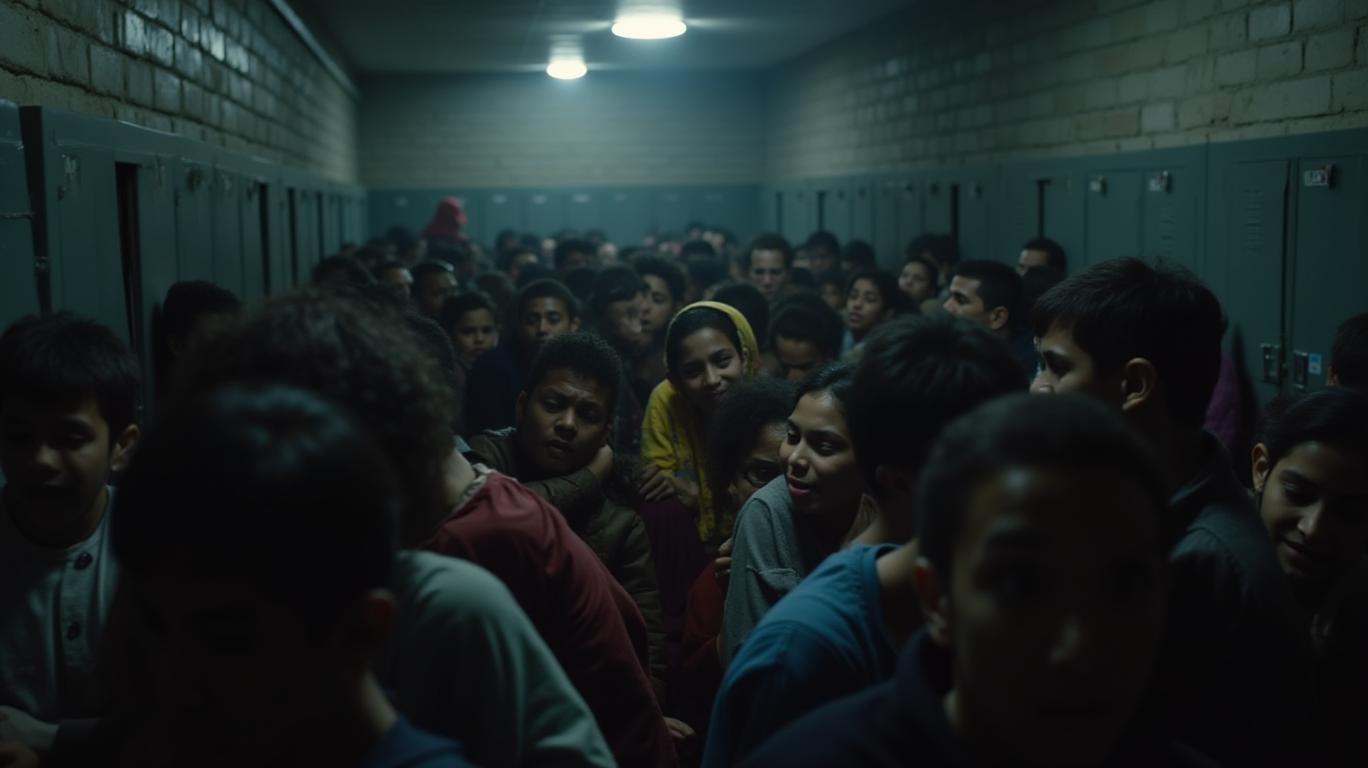
The data-sharing agreement, signed on April 13, 2018, requires ORR to provide ICE with biographical data of potential sponsors and all adult members of their households before releasing a child to their care. This includes names, addresses, dates of birth, identification documents, and fingerprints. ICE then runs checks for criminal backgrounds and immigration status. While this process is intended to ensure the safety of the children, it may also deter undocumented parents or family members from coming forward to claim their children, fearing that their own immigration status may be at risk.
Senator Kamala Harris (D-California) warned about this "chilling effect" during a Senate hearing on May 15, 2018, stating, "The result will likely be a chilling effect on sponsors who otherwise would be willing to come forward to provide care for unaccompanied minors instead of allowing those children to remain in detention." Royce Bernstein Murray, policy director for the American Immigration Council, echoed these concerns, arguing that the Trump administration's immigration enforcement policies were creating a situation where parents with tenuous immigration status were being forced to delay or forego reunification with their children.
The data-sharing agreement could also lead to the deportation of sponsors who are undocumented immigrants, leaving children without caregivers and forcing them to remain in government-operated shelters. Pedro Rios, an immigrant advocate for the American Friends Service Committee, criticized the lack of contingency planning for this potential surge in children left without caregivers, stating, "This is just a half baked idea with the purpose of cracking down on people who really need humanitarian support. And in this case we’re talking about children."

The potential long-term consequences of this data-sharing agreement on the families and communities of unaccompanied migrant children are significant. The agreement may discourage potential sponsors, including parents, from coming forward to claim unaccompanied children due to fear of deportation, leading to more children languishing in government-operated shelters. This could have long-term psychological and emotional impacts on both children and parents, as well as disrupt communities by tearing apart families and support networks.
In conclusion, while the data-sharing agreement between the ORR and ICE may align with the ORR's mission to ensure the safety of unaccompanied migrant children, it raises concerns about the potential chilling effect on sponsors coming forward and may undermine the U.S. government's obligations under international law regarding the treatment of refugee children. Careful consideration and oversight of the data-sharing agreement are necessary to ensure that it does not further harm the families and communities of unaccompanied migrant children.
OAKM--
The Trump administration's decision to share data between the Office of Refugee Resettlement (ORR) and Immigration and Customs Enforcement (ICE) has raised concerns about the safety and well-being of unaccompanied migrant children. While the agreement aims to enhance the safety of these children by allowing ICE to run background checks on potential sponsors and their households, it also creates a chilling effect on sponsors coming forward to care for these children, potentially leading to more children remaining in government-operated shelters.
The data-sharing agreement, signed on April 13, 2018, requires ORR to provide ICE with biographical data of potential sponsors and all adult members of their households before releasing a child to their care. This includes names, addresses, dates of birth, identification documents, and fingerprints. ICE then runs checks for criminal backgrounds and immigration status. While this process is intended to ensure the safety of the children, it may also deter undocumented parents or family members from coming forward to claim their children, fearing that their own immigration status may be at risk.
Senator Kamala Harris (D-California) warned about this "chilling effect" during a Senate hearing on May 15, 2018, stating, "The result will likely be a chilling effect on sponsors who otherwise would be willing to come forward to provide care for unaccompanied minors instead of allowing those children to remain in detention." Royce Bernstein Murray, policy director for the American Immigration Council, echoed these concerns, arguing that the Trump administration's immigration enforcement policies were creating a situation where parents with tenuous immigration status were being forced to delay or forego reunification with their children.
The data-sharing agreement could also lead to the deportation of sponsors who are undocumented immigrants, leaving children without caregivers and forcing them to remain in government-operated shelters. Pedro Rios, an immigrant advocate for the American Friends Service Committee, criticized the lack of contingency planning for this potential surge in children left without caregivers, stating, "This is just a half baked idea with the purpose of cracking down on people who really need humanitarian support. And in this case we’re talking about children."
The potential long-term consequences of this data-sharing agreement on the families and communities of unaccompanied migrant children are significant. The agreement may discourage potential sponsors, including parents, from coming forward to claim unaccompanied children due to fear of deportation, leading to more children languishing in government-operated shelters. This could have long-term psychological and emotional impacts on both children and parents, as well as disrupt communities by tearing apart families and support networks.
In conclusion, while the data-sharing agreement between the ORR and ICE may align with the ORR's mission to ensure the safety of unaccompanied migrant children, it raises concerns about the potential chilling effect on sponsors coming forward and may undermine the U.S. government's obligations under international law regarding the treatment of refugee children. Careful consideration and oversight of the data-sharing agreement are necessary to ensure that it does not further harm the families and communities of unaccompanied migrant children.

Divulgación editorial y transparencia de la IA: Ainvest News utiliza tecnología avanzada de Modelos de Lenguaje Largo (LLM) para sintetizar y analizar datos de mercado en tiempo real. Para garantizar los más altos estándares de integridad, cada artículo se somete a un riguroso proceso de verificación con participación humana.
Mientras la IA asiste en el procesamiento de datos y la redacción inicial, un miembro editorial profesional de Ainvest revisa, verifica y aprueba de forma independiente todo el contenido para garantizar su precisión y cumplimiento con los estándares editoriales de Ainvest Fintech Inc. Esta supervisión humana está diseñada para mitigar las alucinaciones de la IA y garantizar el contexto financiero.
Advertencia sobre inversiones: Este contenido se proporciona únicamente con fines informativos y no constituye asesoramiento profesional de inversión, legal o financiero. Los mercados conllevan riesgos inherentes. Se recomienda a los usuarios que realicen una investigación independiente o consulten a un asesor financiero certificado antes de tomar cualquier decisión. Ainvest Fintech Inc. se exime de toda responsabilidad por las acciones tomadas con base en esta información. ¿Encontró un error? Reportar un problema




Comentarios
Aún no hay comentarios