
Trump calls on Congress to 'take action fast' on college sports
Trump calls on Congress to 'take action fast' on college sports
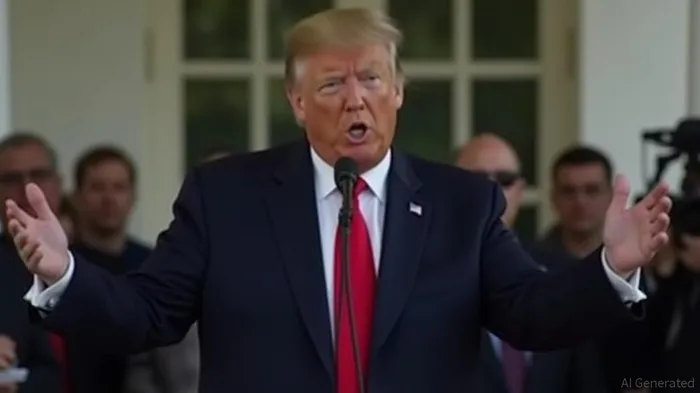
President Donald Trump has intensified calls for congressional action to address structural challenges in college sports, emphasizing the need for "swift and decisive measures" to preserve non-revenue sports and stabilize athlete compensation frameworks. On March 6, 2026, Trump hosted a White House roundtable featuring prominent figures such as NFL Commissioner Adam Silver, NBA Commissioner Jay-Z (as a representative), and college football coaches Nick Saban and Urban Meyer to discuss reforms according to reports. The meeting followed the administration's July 2025 executive order targeting "pay-for-play" arrangements and mandating expanded scholarship opportunities for women's and Olympic sports as detailed in the executive order.
The executive order prohibits third-party pay-for-play payments while permitting fair-market-value name, image, and likeness (NIL) deals according to the order. It also directs federal agencies to enforce compliance through mechanisms such as Title IX enforcement and federal funding decisions, particularly for athletic departments with annual revenues exceeding $50 million as specified. However, legislative efforts to codify these policies, such as the SCORE Act—which would regulate NIL compensation and limit athlete classification as employees—have stalled due to partisan divisions. A December 2025 House vote on the bill was canceled after three Republicans joined Democrats in opposing floor debate according to Fox News reporting.
Critics, including ESPN analyst Paul Finebaum, question the feasibility of rapid reforms, warning that without enforceable solutions, the financial imbalance between revenue-generating and non-revenue sports could worsen as reported. The NCAA has expressed support for federal intervention to curb litigation-driven changes, but legal experts note uncertainties about the executive order's enforceability according to NPR analysis. With over $4 billion in annual athletic scholarships at stake and escalating NIL expenditures—reaching $35–40 million annually for top football programs—the financial stakes for universities, athletes, and stakeholders remain high as stated in the executive order and in related policy documents.






Comentarios
Aún no hay comentarios