
Trump's Blockchain Revolution: USAID's New Era of Transparency
Generado por agente de IAWesley Park
viernes, 21 de marzo de 2025, 2:02 pm ET1 min de lectura
Ladies and Gentlemen, buckle up! The Trump administration is about to shake up the humanitarian aid world with a massive blockchain integration into USAIDUSAI--. This isn't just a tweak; it's a full-blown restructuring that could revolutionize how we think about aid distribution. Let's dive in!
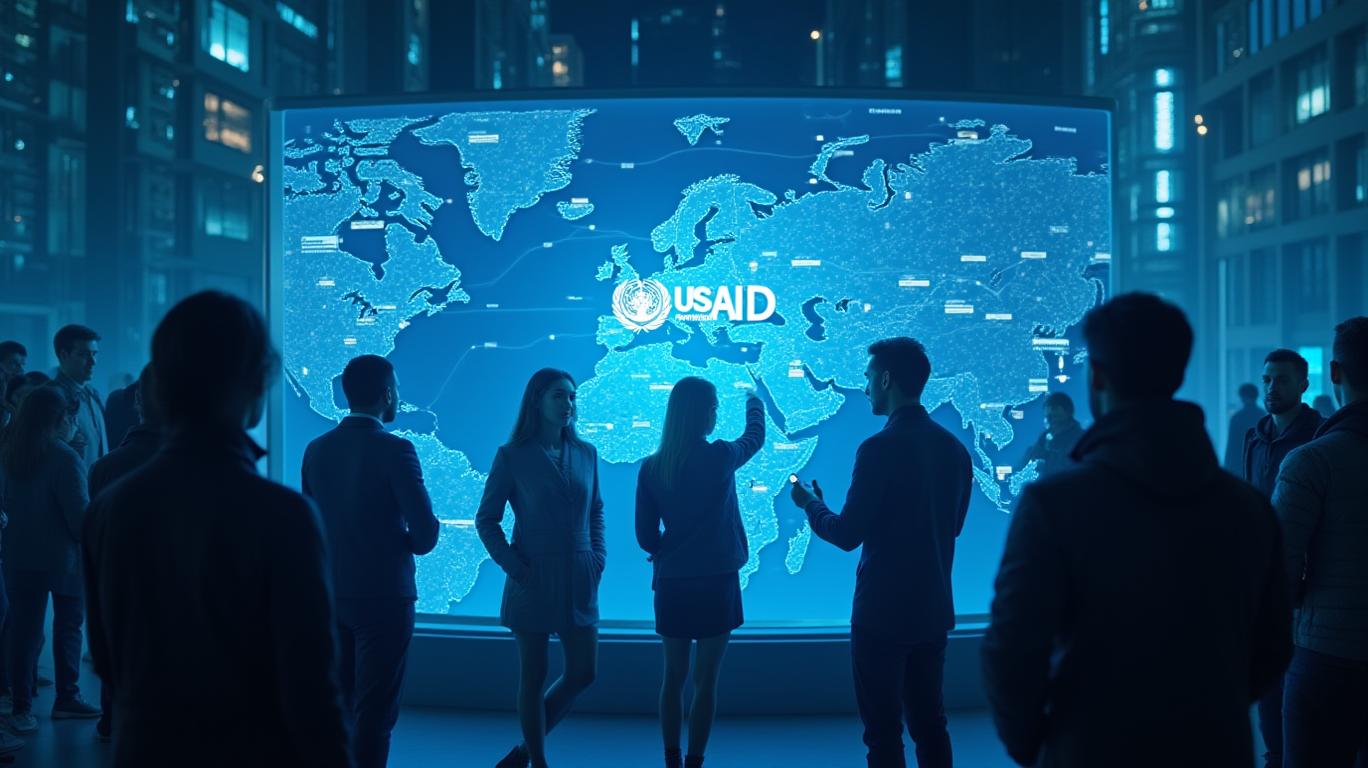
The Blockchain Revolution
The Trump administration is planning to rebrand USAID as the U.S. International Humanitarian Assistance and place it under the Secretary of State’s authority. This move is part of a broader plan to integrate blockchain technology into USAID’s procurement system. The goal? To enhance security, transparency, and traceability in aid distributions. This is a game-changer, folks!
Why Blockchain?
Blockchain technology is the future, and the Trump administration knows it. By leveraging blockchain, USAID can ensure that every dollar spent on aid is accounted for. This means no more lost funds, no more corruption, and no more inefficiencies. It's a win-win for everyone involved.
The Benefits
1. Enhanced Transparency: Blockchain will make it impossible for anyone to tamper with aid distribution records. Every transaction will be secure and traceable.
2. Increased Efficiency: By tying payments to outcomes rather than inputs, USAID can focus on real results. This means more effective aid programs and better use of resources.
3. Innovation and Flexibility: The new system will encourage innovation and efficiency among implementing partners, allowing for more flexible and responsive programming.
The Challenges
But it's not all sunshine and rainbows. There are challenges ahead. Experts like Linda Raftree and Giulio Coppi have expressed skepticism about the necessity and effectiveness of blockchain in humanitarian aid. They argue that existing tools could often accomplish the same goals without the added complexity of blockchain.
The Impact on Aid Delivery
The integration of blockchain technology into USAID's procurement system has the potential to enhance operational efficiency and transparency. However, it also presents significant challenges related to the necessity and effectiveness of the technology, the burden it places on partner organizations, and the practical feasibility of outcome-based payment models.
The Bottom Line
The Trump administration's plan to integrate blockchain technology into USAID's procurement system is a bold move. It has the potential to revolutionize how we think about aid distribution, making it more transparent, efficient, and effective. But it's not without its challenges. Only time will tell if this gamble pays off.
So, are you ready for the blockchain revolution? Because it's coming, and it's coming fast. Stay tuned, folks, because this is just the beginning!



Divulgación editorial y transparencia de la IA: Ainvest News utiliza tecnología avanzada de Modelos de Lenguaje Largo (LLM) para sintetizar y analizar datos de mercado en tiempo real. Para garantizar los más altos estándares de integridad, cada artículo se somete a un riguroso proceso de verificación con participación humana.
Mientras la IA asiste en el procesamiento de datos y la redacción inicial, un miembro editorial profesional de Ainvest revisa, verifica y aprueba de forma independiente todo el contenido para garantizar su precisión y cumplimiento con los estándares editoriales de Ainvest Fintech Inc. Esta supervisión humana está diseñada para mitigar las alucinaciones de la IA y garantizar el contexto financiero.
Advertencia sobre inversiones: Este contenido se proporciona únicamente con fines informativos y no constituye asesoramiento profesional de inversión, legal o financiero. Los mercados conllevan riesgos inherentes. Se recomienda a los usuarios que realicen una investigación independiente o consulten a un asesor financiero certificado antes de tomar cualquier decisión. Ainvest Fintech Inc. se exime de toda responsabilidad por las acciones tomadas con base en esta información. ¿Encontró un error? Reportar un problema


SOBRE NOSOTROS
Nuestra historiaAutores de noticiasBase de conocimientosPolítica de privacidadTérmino de usoDescargo de responsabilidad de corretaje de tercerosTérminos de uso de AIMEDivulgaciones de riesgos de AInvest AICarrerasCONTÁCTENOS
Email: support@ainvest.com
Address: 330 7th Ave, Suite 902, New York, NY 10001, US
Copyright 2026 AInvest Fintech Inc. All rights reserved.


Comentarios
Aún no hay comentarios