
Trump's Bitcoin Reserve Order Boosts Cryptocurrency Legitimacy
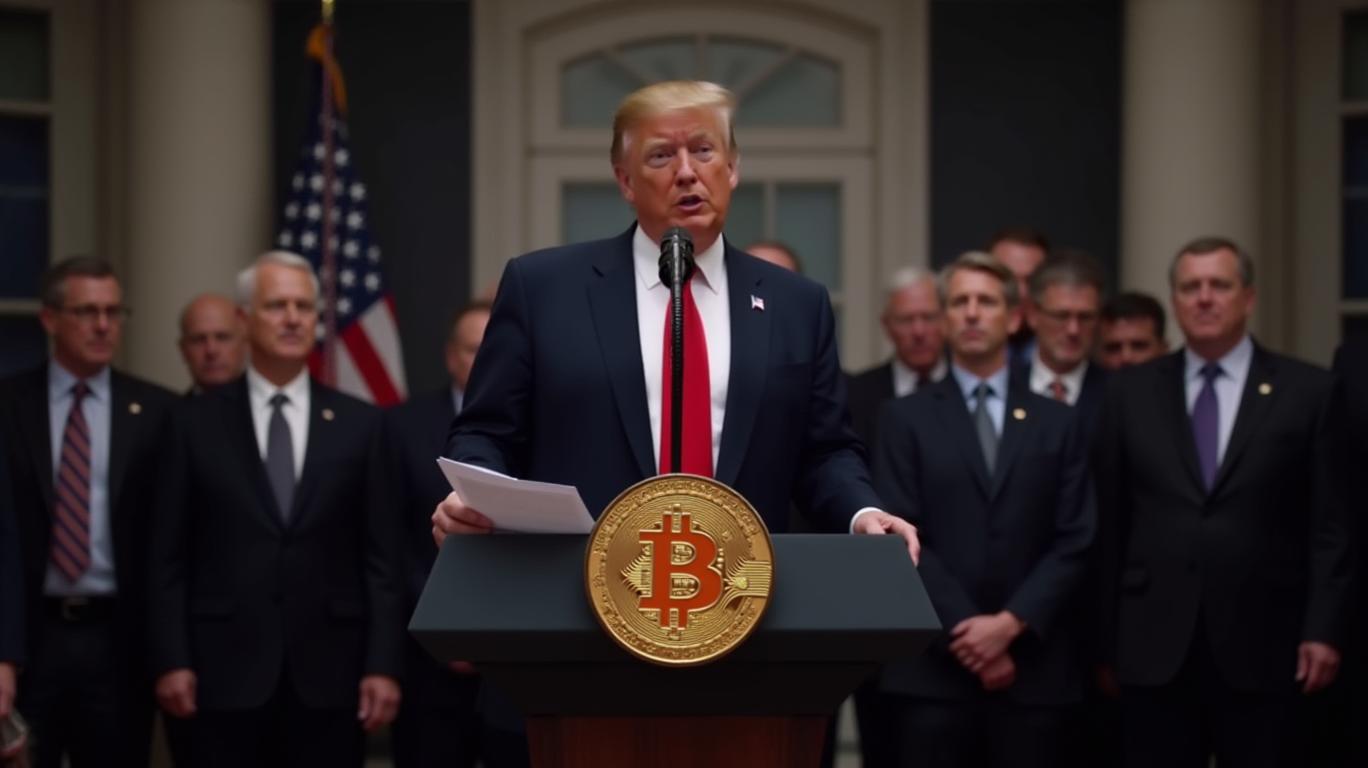
President Trump’s recent executive order to establish a Strategic Bitcoin Reserve has sent ripples through the cryptocurrency landscape, marking a significant milestone for Bitcoin. This move is seen as a pivotal moment that could bolster Bitcoin’s legitimacy as a safe haven asset, eliminating the last existential risks that have long plagued its acceptance in the financial ecosystem.
Matt Hougan, the Chief Investment Officer of Bitwise, highlighted the transformative nature of this order. He noted that the establishment of a Strategic Bitcoin Reserve effectively removes the final barriers that have hindered Bitcoin’s widespread adoption. This shift in institutional attitudes towards Bitcoin is a clear indication of its growing acceptance within the financial community.
The U.S. Strategic Bitcoin Reserve, which includes approximately 200,000 BTC seized from illicit activities, represents a strategic allocation that could redefine Bitcoin’s role in the global financial hierarchy. This move is expected to pave the way for greater institutional acceptance, as Bitcoin’s correlation to the traditional global money supply reinforces its potential as a viable asset in an economy that is increasingly challenging conventional currency forms.
The executive order, signed on March 6, directs federal authorities, including the Treasury Secretary and the Commerce Secretary, to implement strategies for Bitcoin allocation without burdening taxpayers. This innovative approach introduces the possibility of leveraging U.S. Treasury surpluses and exploring alternatives such as gold certificate revaluation. Such initiatives could provide a structured pathway for the government to increase its Bitcoin holdings while avoiding impacts on public finances.
Since its inception, Bitcoin has faced a tumultuous journey marked by skepticism and regulatory hurdles. Early on, Bitcoin was often compared to a lottery ticket, fraught with high risks due to concerns about custody and regulatory clarity. However, the establishment of platforms like CoinbaseCOIN-- in 2011 and the adventADN-- of institutional custodianship have significantly mitigated these risks. The launch of spot Bitcoin ETFs further clarified the investment process for institutional players, making Bitcoin a more attractive option for investors.
As global economic uncertainties continue to rise, the question of Bitcoin’s viability as a hedge becomes increasingly pertinent. While the U.S. dollar currently stands as the world’s reserve currency, Bitcoin offers a superior alternative should the dollar face significant threats. This perspective is supported by historical precedents where assets shift in value during financial crises. Increasing allocations to Bitcoin from clients—now reaching about 3% of portfolios, up from 1% two years ago—reveal a growing consensus on Bitcoin’s defensive role amidst inflationary pressures and geopolitical instability.
The shift in institutional sentiment towards Bitcoin is palpable. With the executive order serving as a catalyst, many investors now view the asset as a core component of their investment strategy. Hougan forecasts that as global awareness of Bitcoin’s stability and security grows, allocations could rise beyond the current 3% rate to potentially 5% or more. This adoption is indicative of a broader understanding that Bitcoin not only provides growth opportunities but also functions as a stabilizing asset in tumultuous economic climates.
The establishment of a Strategic Bitcoin Reserve marks a significant step towards legitimizing Bitcoin within the financial system. Hougan’s insights emphasize that the removal of previous existential risks transforms Bitcoin’s potential market role. As institutional investors increasingly recognize Bitcoin’s viability, the asset may solidify itself as a cornerstone in modern investment strategies, providing a safeguard against economic volatility and uncertainty. The future of Bitcoin looks brighter than ever as it positions itself as an essential tool for navigating the complexities of the global economy.





Comentarios
Aún no hay comentarios