
Trump's Bias Accusations: A Blow to Banks' Reputation or a Storm in a Teacup?
Generado por agente de IAWesley Park
jueves, 23 de enero de 2025, 6:31 pm ET1 min de lectura
BAC--
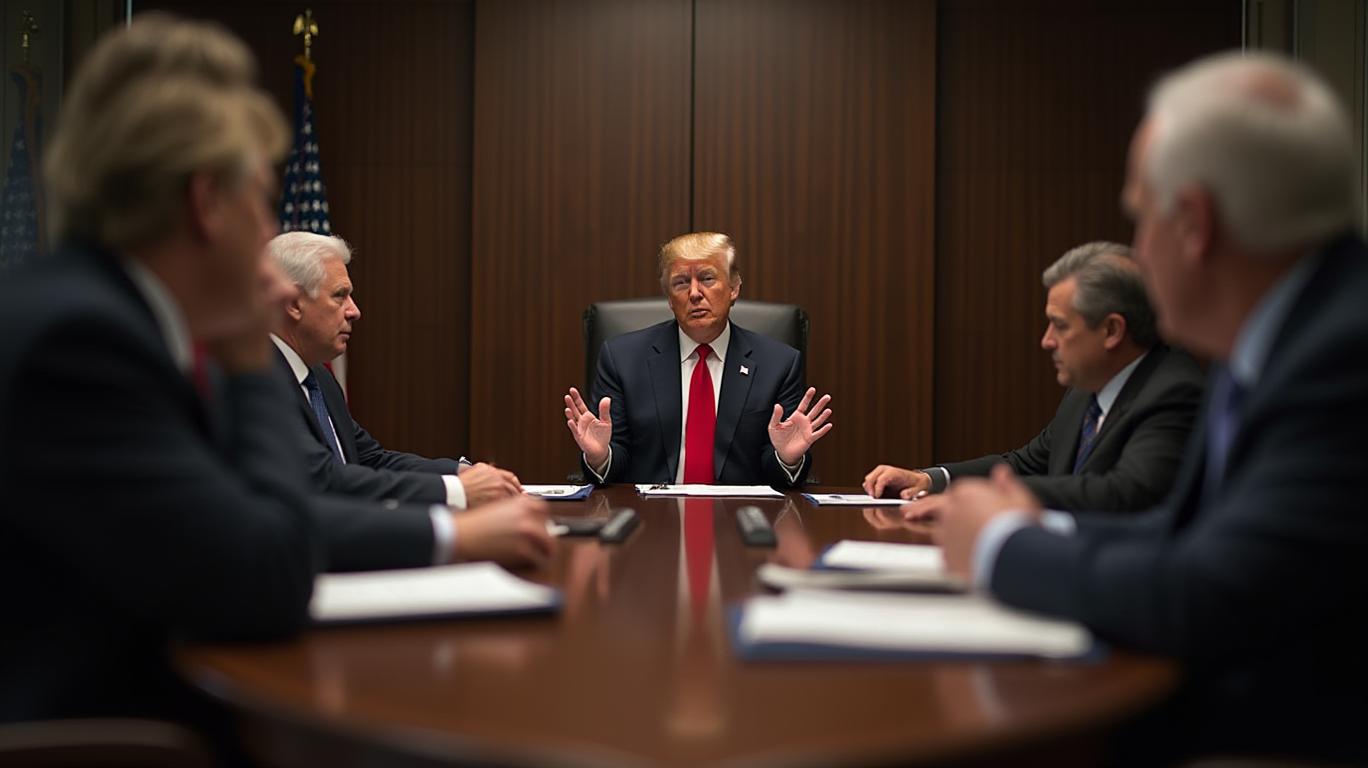
In a surprising turn of events, President Donald Trump has accused the CEOs of Bank of America and JPMorgan Chase of refusing to serve conservatives, reviving a 2024 campaign talking point that the two companies deny. Speaking via video at the World Economic Forum in Davos, Switzerland, Trump lashed out at Bank of America CEO Brian Moynihan and JPMorgan Chase CEO Jamie Dimon, claiming that many conservatives complain that the banks are not allowing them to do business within the bank (Source: NBC News, 2025-01-24).
Both banks have swiftly denied the accusations, stating that they do not consider politics when closing accounts. Bank of America noted that they serve more than 70 million clients and welcome conservatives, emphasizing that they follow extensive government rules and regulations that sometimes result in decisions to exit client relationships. JPMorgan pressed for a fresh approach from Washington to fighting financial crime, while maintaining that they follow the law and guidance from their regulators (Source: Investopedia, 2025-01-24).
The banking industry is seen as one of the biggest beneficiaries of the election of Trump, in large part because of expectations that he would kill Biden-era regulatory efforts to force banks to hold tens of billions of dollars in additional capital against losses, make annual stress tests less opaque, and drop efforts to cap credit card and overdraft limitations (Source: [Material]). However, the recent allegations of conservative bias may affect these expectations and strategic decisions in several ways.
Firstly, the accusations could damage the banks' reputations, potentially leading to a loss of customers and decreased trust in their services. This could impact their strategic decisions regarding customer acquisition and retention. Secondly, the allegations may attract increased regulatory scrutiny, which could delay or complicate the implementation of favorable regulatory changes that the banking industry was expecting under a Trump administration. This could force banks to reassess their strategic plans and risk management strategies. Lastly, the accusations could influence public perception and political pressure, potentially leading to changes in regulatory priorities or new regulations that the banking industry had not anticipated.
In response to the allegations, both Bank of America and JPMorgan Chase have denied refusing service to conservatives, emphasizing that they follow the law and guidance from regulators. By maintaining this stance and addressing the accusations transparently, the banks can help mitigate the potential negative impacts on their reputations, regulatory scrutiny, and strategic decisions.
In conclusion, while the banking industry may face some challenges due to Trump's bias accusations, the impact on their strategic decisions and overall performance remains to be seen. As long as the banks maintain their commitment to non-discrimination and address the accusations transparently, they can mitigate the potential risks and continue to serve their diverse client base effectively.
JDIV--
In a surprising turn of events, President Donald Trump has accused the CEOs of Bank of America and JPMorgan Chase of refusing to serve conservatives, reviving a 2024 campaign talking point that the two companies deny. Speaking via video at the World Economic Forum in Davos, Switzerland, Trump lashed out at Bank of America CEO Brian Moynihan and JPMorgan Chase CEO Jamie Dimon, claiming that many conservatives complain that the banks are not allowing them to do business within the bank (Source: NBC News, 2025-01-24).
Both banks have swiftly denied the accusations, stating that they do not consider politics when closing accounts. Bank of America noted that they serve more than 70 million clients and welcome conservatives, emphasizing that they follow extensive government rules and regulations that sometimes result in decisions to exit client relationships. JPMorgan pressed for a fresh approach from Washington to fighting financial crime, while maintaining that they follow the law and guidance from their regulators (Source: Investopedia, 2025-01-24).
The banking industry is seen as one of the biggest beneficiaries of the election of Trump, in large part because of expectations that he would kill Biden-era regulatory efforts to force banks to hold tens of billions of dollars in additional capital against losses, make annual stress tests less opaque, and drop efforts to cap credit card and overdraft limitations (Source: [Material]). However, the recent allegations of conservative bias may affect these expectations and strategic decisions in several ways.
Firstly, the accusations could damage the banks' reputations, potentially leading to a loss of customers and decreased trust in their services. This could impact their strategic decisions regarding customer acquisition and retention. Secondly, the allegations may attract increased regulatory scrutiny, which could delay or complicate the implementation of favorable regulatory changes that the banking industry was expecting under a Trump administration. This could force banks to reassess their strategic plans and risk management strategies. Lastly, the accusations could influence public perception and political pressure, potentially leading to changes in regulatory priorities or new regulations that the banking industry had not anticipated.
In response to the allegations, both Bank of America and JPMorgan Chase have denied refusing service to conservatives, emphasizing that they follow the law and guidance from regulators. By maintaining this stance and addressing the accusations transparently, the banks can help mitigate the potential negative impacts on their reputations, regulatory scrutiny, and strategic decisions.
In conclusion, while the banking industry may face some challenges due to Trump's bias accusations, the impact on their strategic decisions and overall performance remains to be seen. As long as the banks maintain their commitment to non-discrimination and address the accusations transparently, they can mitigate the potential risks and continue to serve their diverse client base effectively.

Divulgación editorial y transparencia de la IA: Ainvest News utiliza tecnología avanzada de Modelos de Lenguaje Largo (LLM) para sintetizar y analizar datos de mercado en tiempo real. Para garantizar los más altos estándares de integridad, cada artículo se somete a un riguroso proceso de verificación con participación humana.
Mientras la IA asiste en el procesamiento de datos y la redacción inicial, un miembro editorial profesional de Ainvest revisa, verifica y aprueba de forma independiente todo el contenido para garantizar su precisión y cumplimiento con los estándares editoriales de Ainvest Fintech Inc. Esta supervisión humana está diseñada para mitigar las alucinaciones de la IA y garantizar el contexto financiero.
Advertencia sobre inversiones: Este contenido se proporciona únicamente con fines informativos y no constituye asesoramiento profesional de inversión, legal o financiero. Los mercados conllevan riesgos inherentes. Se recomienda a los usuarios que realicen una investigación independiente o consulten a un asesor financiero certificado antes de tomar cualquier decisión. Ainvest Fintech Inc. se exime de toda responsabilidad por las acciones tomadas con base en esta información. ¿Encontró un error? Reportar un problema


SOBRE NOSOTROS
Nuestra historiaAutores de noticiasBase de conocimientosPolítica de privacidadTérmino de usoDescargo de responsabilidad de corretaje de tercerosTérminos de uso de AIMEDivulgaciones de riesgos de AInvest AICarrerasCONTÁCTENOS
Email: support@ainvest.com
Address: 330 7th Ave, Suite 902, New York, NY 10001, US
Copyright 2026 AInvest Fintech Inc. All rights reserved.


Comentarios
Aún no hay comentarios