
Trump's AstraZeneca Deal and Its Implications for Healthcare and Trade Markets: Strategic Sector Positioning in a Shifting Policy Landscape
The Trump administration's recent agreement with AstraZenecaAZN-- represents a pivotal moment in the intersection of healthcare policy and trade strategy, offering investors a lens to analyze how shifting U.S. policy priorities are reshaping sector dynamics. By securing a "most-favored-nation" pricing model, tariff exemptions, and a $50 billion U.S. investment pledge, the deal underscores a broader administration strategy to lower drug costs while incentivizing domestic pharmaceutical manufacturing. For investors, the implications span both healthcare and trade markets, with strategic positioning hinging on understanding the interplay between regulatory leverage, corporate concessions, and long-term industry trends.
Key Terms and Strategic Objectives
The AstraZeneca deal, announced in October 2025, mandates that the company charge Medicaid patients the lowest price it offers in other high-income countries-a model Trump has long championed as a solution to U.S. drug pricing disparities, as described in AstraZeneca's press release. In exchange, AstraZeneca receives a three-year exemption from Section 232 tariffs on pharmaceutical imports, a critical incentive for its decision to onshore manufacturing, according to a Nasdaq report. The company has also committed to listing all primary care medications on the TrumpRx.gov platform, offering up to 80% discounts for chronic disease prescriptions, and investing $50 billion in U.S. manufacturing and R&D by 2030, outlined in AstraZeneca's investment plan. These terms mirror a prior agreement with Pfizer, signaling a pattern of leveraging trade policy to secure pricing concessions and domestic production commitments, as noted by CNN coverage of the announcements CNN.
Healthcare Sector Implications
The deal's immediate impact on drug pricing is nuanced. While the "most-favored-nation" model aims to align U.S. prices with those in countries like Germany and the UK, experts caution that Medicaid's existing "best price" protections may limit the deal's effectiveness for this demographic, according to a CNBC report. Most Americans, after all, obtain medications through insurance, which often insulates them from cash-based pricing, as reported by CBS News. However, the TrumpRx platform could benefit uninsured or underinsured patients, particularly for chronic disease treatments, where the 80% discount could significantly reduce out-of-pocket costs (AstraZeneca's investment plan).
For pharmaceutical companies, the deal introduces a new pricing paradigm. AstraZeneca's participation may pressure competitors to adopt similar strategies to avoid tariffs or regulatory scrutiny. This could accelerate industry consolidation or innovation in cost-reduction models, such as direct-to-consumer sales or tiered pricing structures. Investors should monitor how these dynamics affect profit margins and R&D spending, particularly for firms reliant on U.S. market revenue.
Trade and Investment Trends
The tariff exemption is a cornerstone of the deal, reflecting Trump's broader strategy of using trade policy as a bargaining chip. By delaying Section 232 tariffs-a tool previously used to target imports from China and other trading partners-the administration has created a framework where corporate compliance with pricing goals is rewarded with reduced trade barriers (a Nasdaq report). This approach aligns with a global trend of "strategic nationalism," where governments prioritize domestic economic interests through targeted incentives and regulatory leverage.
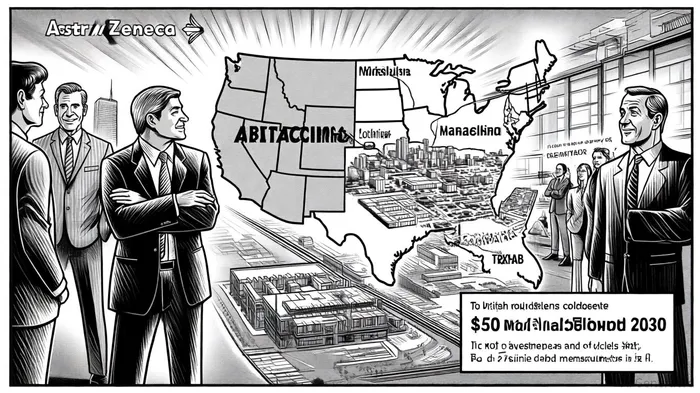
AstraZeneca's $50 billion investment pledge-spanning new facilities in Virginia and Texas, as well as R&D expansions in Maryland and Massachusetts-highlights the potential for pharmaceutical manufacturing to become a key beneficiary of U.S. trade policy (AstraZeneca's press release). For investors, this signals a shift toward reshoring in the sector, with long-term implications for supply chains, labor markets, and geopolitical risk. The deal also raises questions about the sustainability of such agreements: Will other pharmaceutical firms follow AstraZeneca's lead, or will the administration face pushback from an industry historically resistant to pricing controls?
Strategic Positioning for Investors
The AstraZeneca deal offers multiple entry points for strategic investment. In the healthcare sector, companies that facilitate direct-to-consumer drug sales or develop cost-reduction technologies (e.g., generic drug manufacturers, telehealth platforms) may benefit from the administration's focus on affordability (AstraZeneca's investment plan). Similarly, firms with expertise in domestic manufacturing-such as contract pharmaceutical producers or logistics providers-could see increased demand as companies like AstraZeneca scale up U.S. operations (a Nasdaq report).
In trade markets, the deal underscores the importance of understanding how policy shifts can create both risks and opportunities. For instance, investors in global pharmaceutical firms should assess their exposure to U.S. pricing pressures and tariff risks, while those in manufacturing may capitalize on the reshoring trend. However, caution is warranted: The deal's success hinges on the Trump administration's ability to maintain corporate cooperation and avoid regulatory overreach, which could alienate industry stakeholders (a CNBC report).
Conclusion
Trump's AstraZeneca deal exemplifies a policy landscape where healthcare and trade markets are increasingly intertwined. By using tariffs as a lever to secure pricing concessions and domestic investment, the administration has created a template for future negotiations that could reshape both sectors. For investors, the key takeaway is the need to align portfolios with the dual imperatives of affordability and reshoring-a shift that may redefine competitive advantages in the pharmaceutical industry. While the deal's long-term impact remains to be seen, its immediate implications highlight the growing importance of strategic sector positioning in an era of policy-driven market transformation.





Comentarios
Aún no hay comentarios