
Trump Announces 25% Auto Tariffs, Pharmaceuticals Next
U.S. President Donald Trump has declared his intention to impose tariffs on the automobile and pharmaceutical industries. During a cabinet meeting, Trump stated that automotive tariffs would be announced soon, following the implementation of steel and aluminum tariffs. He also mentioned that pharmaceutical industry tariffs would be announced in the near future, emphasizing the need to control the pharmaceutical industry. Trump's remarks suggest a phased approach to implementing these tariffs, with other tariffs on goods such as automobiles, lumber, pharmaceuticals, and semiconductors potentially being implemented later. This strategic delay could be aimed at gauging market reactions or negotiating with affected countries.
Trump's latest statements come after his earlier announcements in February, where he intended to impose auto tariffs at a rate of approximately 25% and similar duties on semiconductors and pharmaceutical imports. The announcement of these tariffs has significant implications for the global economy. The automobile industry, a major contributor to the U.S. economy, could face increased costs and potential disruptions in supply chains. Similarly, the pharmaceutical industry, which relies heavily on imports for raw materials and finished products, could experience price increases and shortages. These tariffs could also lead to retaliatory measures from other countries, further complicating global trade relations.
Trump's statements also highlight his administration's focus on reciprocal trade agreements. By targeting specific industries, Trump aims to address perceived imbalances in trade and protect domestic industries. However, the implementation of these tariffs could have unintended consequences, such as increased prices for consumers and potential job losses in affected industries. Trump hinted at the possibility of exempting certain nations from these reciprocal tariffs, suggesting a more nuanced approach to trade policy. The exact timing and scope of these tariffs remain unclear, but the potential impact on the global economy is substantial. As the situation develops, it will be crucial for businesses and policymakers to monitor these developments closely and adapt their strategies accordingly. 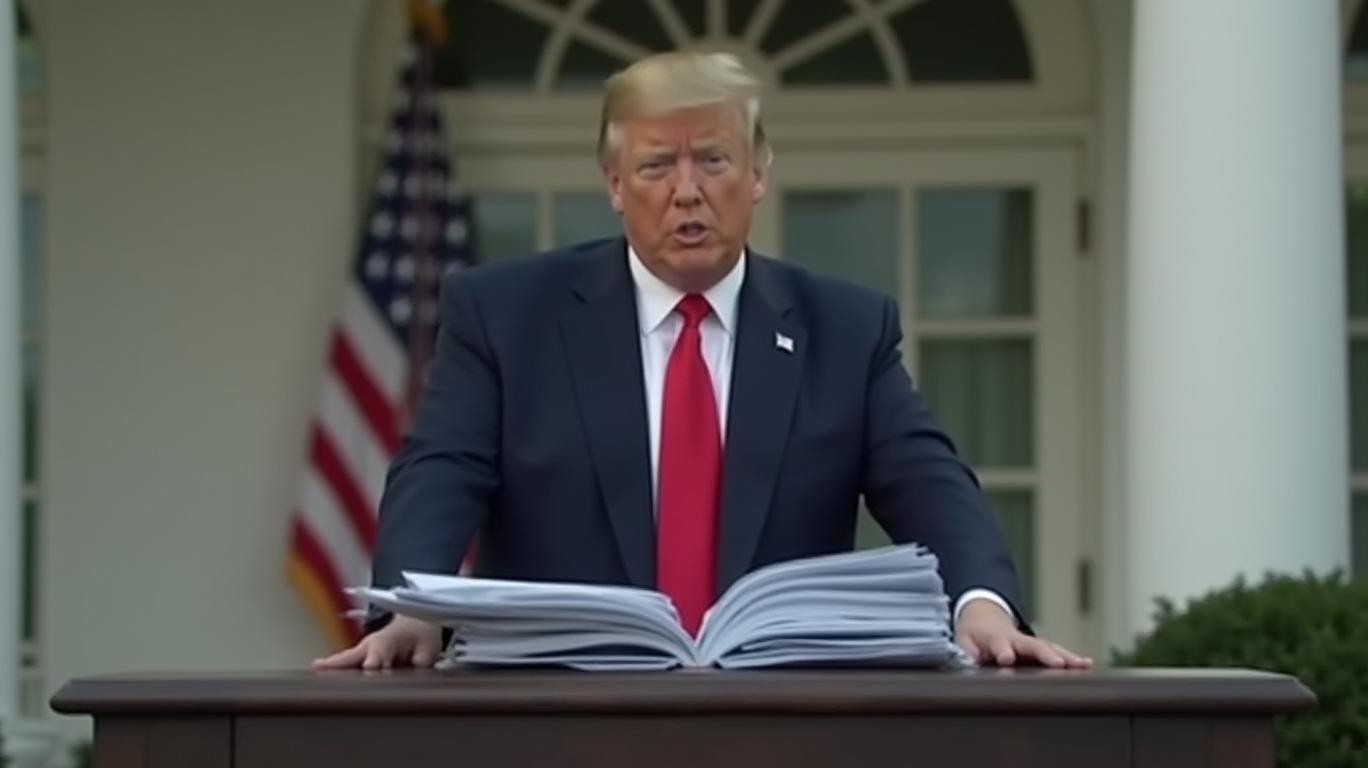







Comentarios
Aún no hay comentarios