
Trump's Alaska LNG Project: A Boon for U.S. Energy Exports and Geopolitical Ties
Generado por agente de IACyrus Cole
martes, 4 de marzo de 2025, 9:47 pm ET1 min de lectura
FOSL--
President Donald Trump has been a vocal supporter of the Alaska LNG Project, a mammoth natural gas export venture that could significantly boost U.S. energy exports and strengthen geopolitical ties with key allies like Japan. The project, estimated to cost around $44 billion, involves constructing an 800-mile pipeline from the North Slope to south-central Alaska, with a liquefaction facility in Nikiski for overseas shipment. Despite challenges and competition from other projects, the Alaska LNG Project has the potential to create thousands of jobs, reinvigorate the American steel industry, and reduce the U.S. trade deficit in Asia.
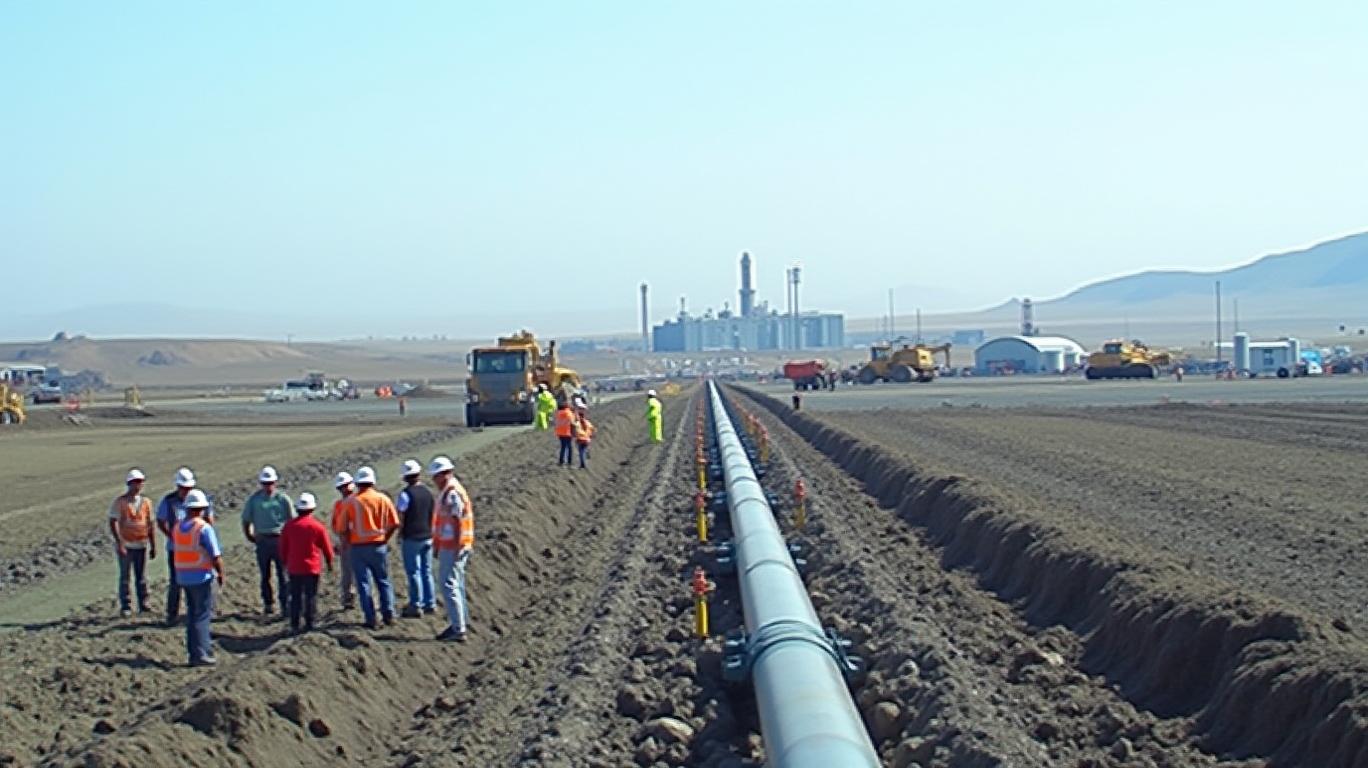
The geopolitical landscape, particularly the relationship between the U.S. and Japan, plays a significant role in the feasibility and timeline of the Alaska LNG Project. Japan, facing energy security concerns, has shown interest in the project, with Japanese energy organizations, including Chiyoda, an engineering firm, engaged in discussions for several years. The project is seen as a vital trade and energy security enhancement for both nations, with Japan's Foreign Ministry stating that the two countries will cooperate bilaterally toward strengthening energy security, including increasing LNG exports to Japan.
However, the project faces numerous hurdles, including no certainty on where the $44 billion to actually build it will come from. A recent study commissioned by state lawmakers estimated that the pipeline alone would cost roughly $11 billion. Additionally, the project scope includes a treatment facility on the slope, the pipeline, and a liquefaction plant in Nikiski, further adding to the overall cost. The project's economic viability and potential returns for investors depend on various factors, such as market demand, pricing, competition from other projects, and the availability of financing.
The environmental impact of the Alaska LNG Project, including greenhouse gas emissions, is a critical factor in the public interest determination and regulatory approval process. The Department of Energy (DOE) must assess the project's emissions and their potential impact on the public interest under the Natural Gas Act. The DOE's plan to update the environmental analysis of LNG that informs the public interest determination of LNG exports is a step in the right direction. However, the Alaska LNG case study serves as a warning that pro-fossil fuel bias remains a risk to the integrity of this crucial update.
In conclusion, the Alaska LNG Project has the potential to significantly boost U.S. energy exports, strengthen geopolitical ties with key allies, and create jobs. However, the project faces numerous challenges, including securing financing, competition from other projects, and environmental concerns. Investors should closely monitor the project's progress, regulatory approvals, and environmental assessments to ensure their investments align with their risk tolerance and environmental standards.
President Donald Trump has been a vocal supporter of the Alaska LNG Project, a mammoth natural gas export venture that could significantly boost U.S. energy exports and strengthen geopolitical ties with key allies like Japan. The project, estimated to cost around $44 billion, involves constructing an 800-mile pipeline from the North Slope to south-central Alaska, with a liquefaction facility in Nikiski for overseas shipment. Despite challenges and competition from other projects, the Alaska LNG Project has the potential to create thousands of jobs, reinvigorate the American steel industry, and reduce the U.S. trade deficit in Asia.
The geopolitical landscape, particularly the relationship between the U.S. and Japan, plays a significant role in the feasibility and timeline of the Alaska LNG Project. Japan, facing energy security concerns, has shown interest in the project, with Japanese energy organizations, including Chiyoda, an engineering firm, engaged in discussions for several years. The project is seen as a vital trade and energy security enhancement for both nations, with Japan's Foreign Ministry stating that the two countries will cooperate bilaterally toward strengthening energy security, including increasing LNG exports to Japan.
However, the project faces numerous hurdles, including no certainty on where the $44 billion to actually build it will come from. A recent study commissioned by state lawmakers estimated that the pipeline alone would cost roughly $11 billion. Additionally, the project scope includes a treatment facility on the slope, the pipeline, and a liquefaction plant in Nikiski, further adding to the overall cost. The project's economic viability and potential returns for investors depend on various factors, such as market demand, pricing, competition from other projects, and the availability of financing.
The environmental impact of the Alaska LNG Project, including greenhouse gas emissions, is a critical factor in the public interest determination and regulatory approval process. The Department of Energy (DOE) must assess the project's emissions and their potential impact on the public interest under the Natural Gas Act. The DOE's plan to update the environmental analysis of LNG that informs the public interest determination of LNG exports is a step in the right direction. However, the Alaska LNG case study serves as a warning that pro-fossil fuel bias remains a risk to the integrity of this crucial update.
In conclusion, the Alaska LNG Project has the potential to significantly boost U.S. energy exports, strengthen geopolitical ties with key allies, and create jobs. However, the project faces numerous challenges, including securing financing, competition from other projects, and environmental concerns. Investors should closely monitor the project's progress, regulatory approvals, and environmental assessments to ensure their investments align with their risk tolerance and environmental standards.

Divulgación editorial y transparencia de la IA: Ainvest News utiliza tecnología avanzada de Modelos de Lenguaje Largo (LLM) para sintetizar y analizar datos de mercado en tiempo real. Para garantizar los más altos estándares de integridad, cada artículo se somete a un riguroso proceso de verificación con participación humana.
Mientras la IA asiste en el procesamiento de datos y la redacción inicial, un miembro editorial profesional de Ainvest revisa, verifica y aprueba de forma independiente todo el contenido para garantizar su precisión y cumplimiento con los estándares editoriales de Ainvest Fintech Inc. Esta supervisión humana está diseñada para mitigar las alucinaciones de la IA y garantizar el contexto financiero.
Advertencia sobre inversiones: Este contenido se proporciona únicamente con fines informativos y no constituye asesoramiento profesional de inversión, legal o financiero. Los mercados conllevan riesgos inherentes. Se recomienda a los usuarios que realicen una investigación independiente o consulten a un asesor financiero certificado antes de tomar cualquier decisión. Ainvest Fintech Inc. se exime de toda responsabilidad por las acciones tomadas con base en esta información. ¿Encontró un error? Reportar un problema


SOBRE NOSOTROS
Nuestra historiaAutores de noticiasBase de conocimientosPolítica de privacidadTérmino de usoDescargo de responsabilidad de corretaje de tercerosTérminos de uso de AIMEDivulgaciones de riesgos de AInvest AICarrerasCONTÁCTENOS
Email: support@ainvest.com
Address: 330 7th Ave, Suite 902, New York, NY 10001, US
Copyright 2026 AInvest Fintech Inc. All rights reserved.


Comentarios
Aún no hay comentarios