
Trump Administration Shifts to Personalized Tariffs Amid Market Uncertainty
The Trump administration is currently engaged in intense discussions regarding the implementation of tariffs, with a particular focus on personalized tariffs. This development comes as part of broader talks aimed at simplifying the tariff system. Initially, there were considerations for a three-tier tariff structure that would categorize trading partners into different levels. However, this approach has been sidelined in favor of a more customized strategy. This shift indicates a move towards tailoring tariffs to the specific economic contexts of individual countries, reflecting a more nuanced approach to international trade relations.
Key figures within the administration, including White House Chief of Staff Meadows and Commerce Secretary Luttig, have been involved in high-level discussions. The initial proposal for a three-tier tariff system was a central point of these meetings. However, subsequent deliberations led to the conclusion that a more personalized plan would be more effective in addressing the complexities of global trade. The administration is now focused on determining accurate tariff rates, underscoring the evolving nature of U.S. trade policy.
The administration's tariff strategy has faced criticism for its lack of consistency, which has contributed to market uncertainty. The absence of a clear and predictable tariff policy has created an environment where investors and companies struggle to foresee the economic implications of the administration's decisions. This unpredictability has had a significant impact on market sentiment, adding to the challenges faced by businesses and investors alike.
One of the most notable actions taken by the Trump administration was the imposition of a 25% tariff on all steel and aluminum imports. This move has had widespread effects on U.S. companies that rely on these materials. The tariffs have increased the cost of raw materials, disrupted supply chains, and forced companies to re-evaluate their sourcing strategies. The administration's willingness to impose high tariffs as a means of exerting pressure on trading partners has been a defining feature of its approach. For example, the threat to impose a 200% tariff on certain goods was seen as a way to leverage economic power in negotiations. This aggressive stance has elicited mixed reactions, with some viewing it as a necessary tool to protect domestic industries, while others see it as a disruptive force that could provoke retaliatory measures from other countries.
The administration's tariff policies have also been influenced by broader diplomatic considerations. For instance, discussions with other countries regarding the qualifications of candidates for key positions, such as the central bank chief in Lebanon, have been 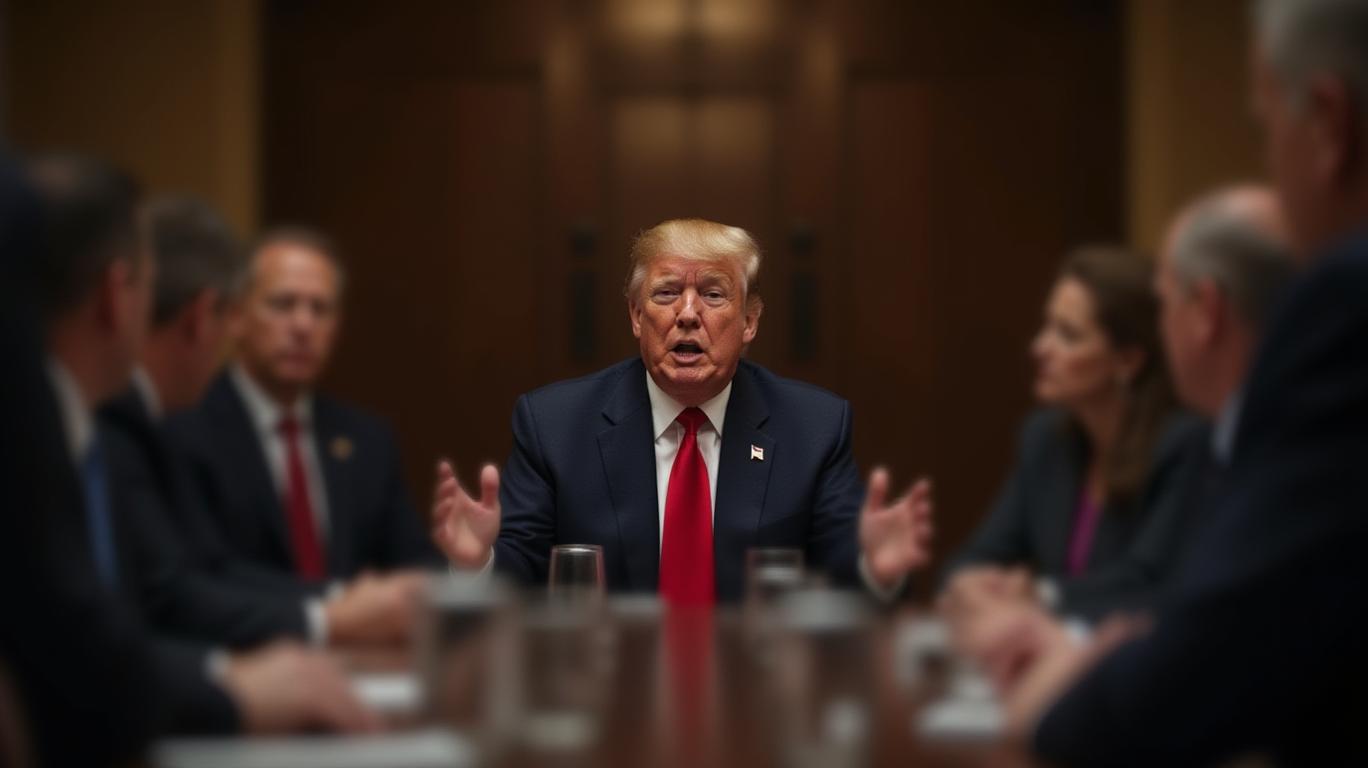







Comentarios
Aún no hay comentarios