
Trump Administration Proposes Blockchain Overhaul for USAID
The Trump administration has proposed a comprehensive overhaul of the U.S. Agency for International Development (USAID), with a central focus on integrating blockchain technology into its procurement system. This initiative aims to bolster security, transparency, and traceability in aid distributions, addressing longstanding issues regarding the efficiency and accountability of international aid programs.
The proposed changes include renaming USAID as the U.S. International Humanitarian Assistance (IHA) and placing it under the State Department’s jurisdiction. This strategic move is more than just a name change; it signifies a comprehensive shift towards adopting advanced technology. The administration's plan involves utilizing blockchain to create a permanent and transparent record of all transactions, facilitating easier tracking of donations, procurements, and distributions. This level of transparency is essential for ensuring that aid reaches its intended recipients and for building public trust.
Blockchain technology offers several benefits for humanitarian aid. Its immutable ledger enhances transparency, making it more difficult for funds to be misappropriated or lost in opaque processes. Improved traceability allows for real-time tracking of aid from donor to recipient, which can significantly enhance supply chain management. Additionally, blockchain’s cryptographic security protects sensitive information related to aid operations and prevents fraud. The technology also promises efficiency gains by streamlining processes and reducing intermediaries, potentially cutting down on administrative overhead and speeding up aid delivery.
The administration's proposal aligns with a broader trend of governments recognizing the potential of blockchain beyond just cryptocurrencies. From supply chain management to voting systems, blockchain is being explored as a means to enhance services and improve efficiency. The idea of integrating blockchain into government operations is no longer a fringe concept but a tangible possibility, as evidenced by the administration's plans for USAID.
However, implementing such a significant technological shift comes with its own set of challenges. Integrating blockchain into existing government systems can be complex and require significant technical expertise. Legacy systemsLGCY-- might need to be adapted or replaced, and interoperability needs to be ensured. Regulatory hurdles also exist, as the legal and compliance landscape for blockchain and cryptocurrencies is still evolving. Scalability concerns, data privacy and security issues, and the need for digital literacy and access are additional considerations that must be addressed.
Despite these challenges, the potential rewards of integrating blockchain into USAID are substantial. A more transparent, efficient, and accountable aid system could set a new standard for international humanitarian assistance, inspiring other nations and organizations to adopt similar technologies. Increased transparency can help rebuild public trust in aid organizations, which has been eroded by concerns about corruption and inefficiency. Furthermore, this high-profile application of blockchain in government could spur further innovation and investment in blockchain solutions for various social impact initiatives.
The journey to fully realizing the potential of blockchain in humanitarian aid will undoubtedly be complex and iterative. However, the direction is clear: technology, particularly blockchain, is poised to play an increasingly important role in shaping a more transparent, efficient, and impactful future for international aid. The Trump administration's proposed overhaul of USAID represents a bold step towards this future, with the potential to transform the way humanitarian assistance is managed and delivered. 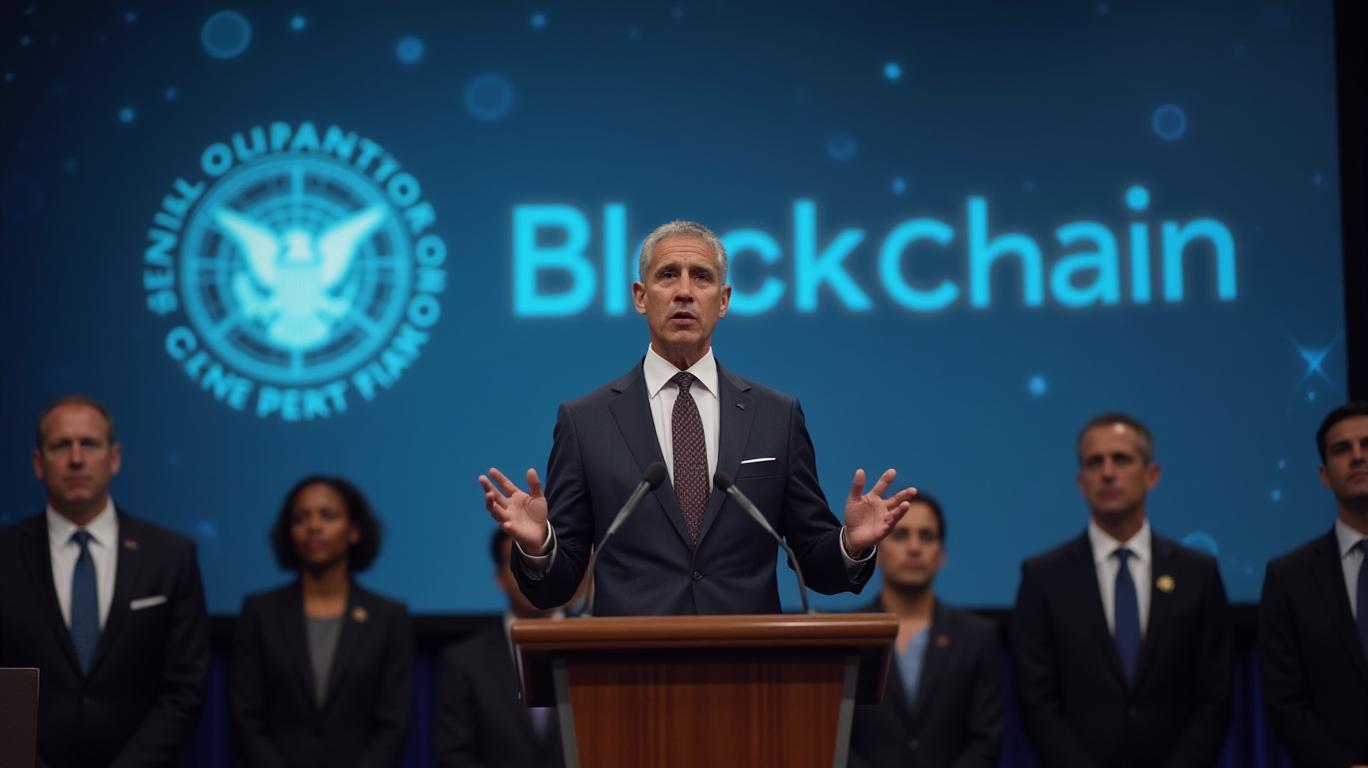







Comentarios
Aún no hay comentarios