
Trump's 300% Tariff Threat Sends S&P 500 into Negative Territory
PorAinvest
viernes, 15 de agosto de 2025, 10:03 am ET2 min de lectura
INTC--
Trump's new tariff threat is part of his broader effort to boost domestic manufacturing and reduce reliance on foreign production, particularly from China. The president has indicated that companies like Apple, which have pledged substantial investments in domestic manufacturing, will be exempt from these tariffs. Apple, for instance, has committed to investing an additional $100 billion in the US, including plans to establish new manufacturing facilities and increase production of components within the country.
The potential impact on foreign direct investment in the semiconductor sector is substantial. Companies such as Taiwan Semiconductor Manufacturing Co. (TSMC) and Samsung Electronics Co. have pledged significant investments in the US to secure exemptions from the tariffs. These commitments highlight the strategic importance of the US market for semiconductor production and the willingness of major players to adapt their supply chains to avoid tariffs.
Local players in the semiconductor industry, such as QES Group Bhd, may need to re-strategize their manufacturing plans in response to Trump's tariff announcement. While the 200-300% tariff on imports is a significant challenge, the exemptions for companies committed to domestic manufacturing offer a potential pathway for local players to secure their position in the market. This could involve localizing production facilities, investing in advanced manufacturing technologies, or forming strategic partnerships with US-based companies.
The market reaction to Trump's announcement has been mixed. While US futures rose following the announcement, Asian tech stocks showed a mixed performance. The exemptions for companies like Apple and TSMC have calmed market fears, but the broader implications of the tariffs on the global electronics supply chain remain uncertain. The US administration has indicated that separate levies on all products containing semiconductor chips could be unveiled as early as next week, which could further disrupt the supply chain.
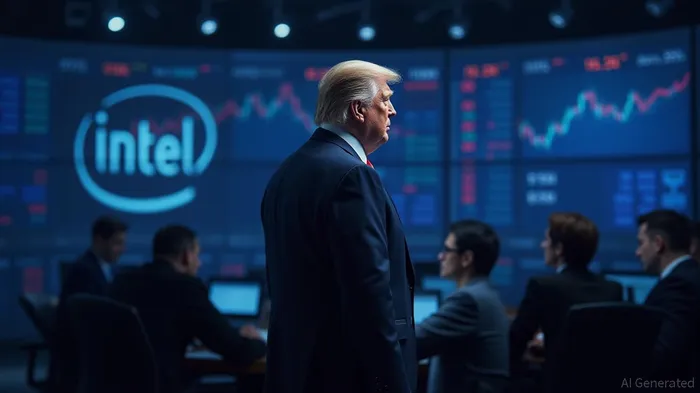
In addition to the tariff threats, the Trump administration is reportedly in talks with Intel to potentially acquire a stake in the struggling chipmaker. This move, if realized, would mark another significant intervention by the U.S. government in industries deemed vital to national security. The talks stem from a recent meeting between President Trump and Intel CEO Lip-Bu Tan, who visited the White House to convince the president of his ability to advance America’s ambitions as the largest chip manufacturer in the world.
The potential stake in Intel is part of a broader trend of government intervention in the tech industry. Earlier this week, chip giants Nvidia and AMD agreed to pay the U.S. government 15% of their Chinese revenues, highlighting the administration's direct involvement in private enterprise. The deal could help Intel build out its planned $28 billion chip complex in Ohio, which has faced significant delays.
In summary, Trump's new tariff threats and potential government intervention in the semiconductor industry are significant developments that could reshape the global electronics supply chain. Local players in the semiconductor industry will need to adapt their strategies to navigate this new landscape and secure their position in the market.
References:
[1] https://www.ainvest.com/news/semiconductor-sector-edge-tariffs-president-trump-threatens-100-tariffs-chip-imports-2508/
[2] https://cybernews.com/news/trump-administration-intel/
[3] https://theoutpost.ai/news-story/trump-administration-considers-taking-stake-in-intel-amid-chip-industry-challenges-19116/
ON--
TSM--
The S&P 500 is down 0.17% after President Trump warned of 200-300% tariffs on semiconductor imports. Trump previously mentioned a 100% tariff and is considering taking a stake in Intel to boost US chipmaking. The tariff threat has negatively impacted the S&P 500.
The S&P 500 has dipped by 0.17% following President Donald Trump's latest warning of 200-300% tariffs on semiconductor imports. This announcement comes on the heels of his earlier threat of a 100% tariff on semiconductor imports, which has already sparked significant market reactions and strategic shifts within the semiconductor industry.Trump's new tariff threat is part of his broader effort to boost domestic manufacturing and reduce reliance on foreign production, particularly from China. The president has indicated that companies like Apple, which have pledged substantial investments in domestic manufacturing, will be exempt from these tariffs. Apple, for instance, has committed to investing an additional $100 billion in the US, including plans to establish new manufacturing facilities and increase production of components within the country.
The potential impact on foreign direct investment in the semiconductor sector is substantial. Companies such as Taiwan Semiconductor Manufacturing Co. (TSMC) and Samsung Electronics Co. have pledged significant investments in the US to secure exemptions from the tariffs. These commitments highlight the strategic importance of the US market for semiconductor production and the willingness of major players to adapt their supply chains to avoid tariffs.
Local players in the semiconductor industry, such as QES Group Bhd, may need to re-strategize their manufacturing plans in response to Trump's tariff announcement. While the 200-300% tariff on imports is a significant challenge, the exemptions for companies committed to domestic manufacturing offer a potential pathway for local players to secure their position in the market. This could involve localizing production facilities, investing in advanced manufacturing technologies, or forming strategic partnerships with US-based companies.
The market reaction to Trump's announcement has been mixed. While US futures rose following the announcement, Asian tech stocks showed a mixed performance. The exemptions for companies like Apple and TSMC have calmed market fears, but the broader implications of the tariffs on the global electronics supply chain remain uncertain. The US administration has indicated that separate levies on all products containing semiconductor chips could be unveiled as early as next week, which could further disrupt the supply chain.
In addition to the tariff threats, the Trump administration is reportedly in talks with Intel to potentially acquire a stake in the struggling chipmaker. This move, if realized, would mark another significant intervention by the U.S. government in industries deemed vital to national security. The talks stem from a recent meeting between President Trump and Intel CEO Lip-Bu Tan, who visited the White House to convince the president of his ability to advance America’s ambitions as the largest chip manufacturer in the world.
The potential stake in Intel is part of a broader trend of government intervention in the tech industry. Earlier this week, chip giants Nvidia and AMD agreed to pay the U.S. government 15% of their Chinese revenues, highlighting the administration's direct involvement in private enterprise. The deal could help Intel build out its planned $28 billion chip complex in Ohio, which has faced significant delays.
In summary, Trump's new tariff threats and potential government intervention in the semiconductor industry are significant developments that could reshape the global electronics supply chain. Local players in the semiconductor industry will need to adapt their strategies to navigate this new landscape and secure their position in the market.
References:
[1] https://www.ainvest.com/news/semiconductor-sector-edge-tariffs-president-trump-threatens-100-tariffs-chip-imports-2508/
[2] https://cybernews.com/news/trump-administration-intel/
[3] https://theoutpost.ai/news-story/trump-administration-considers-taking-stake-in-intel-amid-chip-industry-challenges-19116/
Divulgación editorial y transparencia de la IA: Ainvest News utiliza tecnología avanzada de Modelos de Lenguaje Largo (LLM) para sintetizar y analizar datos de mercado en tiempo real. Para garantizar los más altos estándares de integridad, cada artículo se somete a un riguroso proceso de verificación con participación humana.
Mientras la IA asiste en el procesamiento de datos y la redacción inicial, un miembro editorial profesional de Ainvest revisa, verifica y aprueba de forma independiente todo el contenido para garantizar su precisión y cumplimiento con los estándares editoriales de Ainvest Fintech Inc. Esta supervisión humana está diseñada para mitigar las alucinaciones de la IA y garantizar el contexto financiero.
Advertencia sobre inversiones: Este contenido se proporciona únicamente con fines informativos y no constituye asesoramiento profesional de inversión, legal o financiero. Los mercados conllevan riesgos inherentes. Se recomienda a los usuarios que realicen una investigación independiente o consulten a un asesor financiero certificado antes de tomar cualquier decisión. Ainvest Fintech Inc. se exime de toda responsabilidad por las acciones tomadas con base en esta información. ¿Encontró un error? Reportar un problema


SOBRE NOSOTROS
Nuestra historiaAutores de noticiasBase de conocimientosPolítica de privacidadTérmino de usoDescargo de responsabilidad de corretaje de tercerosTérminos de uso de AIMEDivulgaciones de riesgos de AInvest AICarrerasCONTÁCTENOS
Email: support@ainvest.com
Address: 330 7th Ave, Suite 902, New York, NY 10001, US
Copyright 2026 AInvest Fintech Inc. All rights reserved.


Comentarios
Aún no hay comentarios