
Trump's 2025 Tariff Hike: A Perfect Storm for U.S.-Canada Trade and Energy Markets
The U.S.-Canada trade relationship, long characterized by deep integration and mutual economic dependence, has been thrown into turmoil by President 's 2025 tariff escalation. , aluminum, and energy sectors-has triggered retaliatory measures, disrupted supply chains, and sent shockwaves through energy markets. For investors, the fallout from this trade war offers both risks and opportunities, demanding a nuanced understanding of its cascading effects.
A Tariff War Ignites Supply Chain Chaos
The tariff hike, announced in response to Ontario's anti-tariff ad campaign featuring , has forced businesses to scramble to reconfigure supply chains. A Timetrex analysis reports the U.S. , . These measures, which bypass the USMCA agreement, have left Canadian exporters in sectors like automotive and energy grappling with existential threats.
Corporate responses have been varied but costly. As noted in a Global Trade Mag analysis, firms are stockpiling inventory, accelerating "China plus one" strategies, and shifting production to Vietnam, India, and Mexico to mitigate risks. For example, Canadian automakers like Lion Electric face procurement delays and potential layoffs due to soaring input costs, according to an SFI blog. Meanwhile, U.S. , per Reuters data.
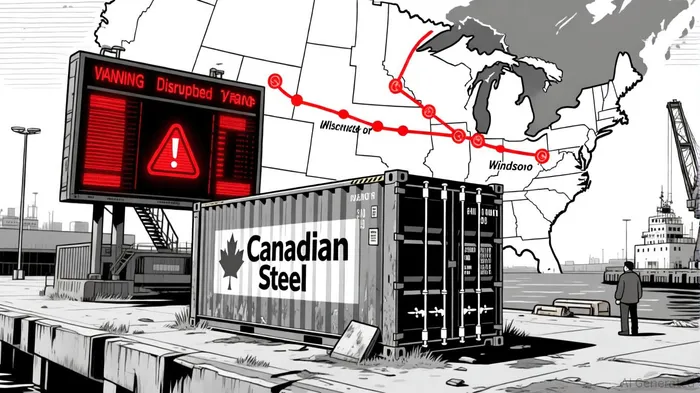
Energy Markets: Price Volatility and Strategic Realignments
The energy sector has borne the brunt of the tariff war. , effective February 2025, has pushed U.S. refiners to reassess their operations. Reuters data indicate companies like Phillips 66PSX-- and Valero EnergyVLO-- are preparing for reduced processing of heavy crude, a feedstock they are uniquely configured to handle. This shift could force refineries to seek alternative crude sources, though limited global availability may drive prices higher.
Natural gas and electricity markets are also under pressure. Electro-Federation Canada highlights that U.S. , compounding inflationary pressures. Meanwhile, provinces like Ontario and Quebec are considering reducing electricity exports to the U.S., a move that could raise costs for American households in border states like Maine and Vermont, according to an EHRC analysis.
The economic toll is already evident. , while U.S. , as reported in the Timetrex analysis. For investors, these trends underscore the fragility of energy markets and the need for hedging strategies.
Retaliatory Measures and the Path Forward
Canada's response has been equally aggressive. . , according to the Timetrex analysis. The Canadian government has also barred U.S. firms from local procurement contracts in Quebec, , per the EHRC analysis. These measures have already reduced Canada's U.S. , the Timetrex analysis finds.
Despite the brinkmanship, both sides face incentives to de-escalate. Ontario Premier 's decision to pause anti-tariff ads signals a diplomatic opening, as reported in a Cryptopolitan report. However, the absence of a clear resolution means businesses must prepare for prolonged uncertainty.
Investment Implications: Navigating the New Normal
For investors, the key lies in identifying sectors poised to adapt. Energy companies with diversified supply chains or domestic production capabilities-such as U.S. refiners investing in alternative crude sources-may outperform. Conversely, Canadian exporters reliant on the U.S. market, particularly in steel and aluminum, face heightened risks.
The broader lesson is clear: trade policy volatility demands agility. An MSU study notes firms are now prioritizing scenario planning and nearshoring strategies to buffer against future shocks. Investors should favor companies with strong balance sheets and flexible operations, while avoiding those with rigid, cross-border dependencies.





Comentarios
Aún no hay comentarios