
Trump's $2,000 Tariff Rebate Checks: Macroeconomic and Investment Implications in 2025
Macroeconomic Implications: A Delicate Balance
The primary macroeconomic concern lies in the interplay between tariffs and rebates. According to a report by at Yale, , as Yahoo Finance reported. , creating a fiscal tug-of-war between price hikes and direct payments.
Consumer behavior will be pivotal. If recipients spend the rebate rather than save it, the influx of liquidity could stimulate demand, potentially boosting GDP growth. However, this scenario risks amplifying inflationary pressures, particularly in sectors reliant on imported goods. For instance, the manufacturing sector, already grappling with elevated input costs from tariffs on steel and aluminum, may face further strain, as CSIS noted.
Government debt reduction is another focal point. , a move that could stabilize long-term fiscal health. Yet, the simultaneous allocation of funds to rebates introduces uncertainty. Treasury Secretary has noted that the government must first be reopened before such plans can proceed, as Yahoo Finance reported, underscoring the political and logistical hurdles.
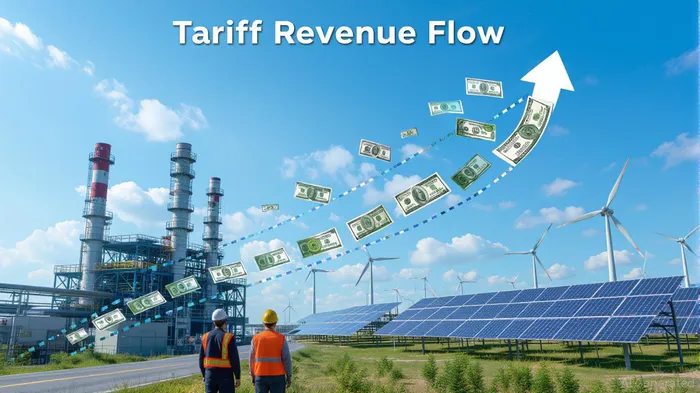
Investment Implications: Sector-Specific Challenges and Opportunities
The proposed rebates and tariffs will have divergent effects across sectors. In manufacturing, elevated tariffs on imported components-such as steel and cement-threaten to raise production costs, as CSIS noted. This could deter domestic investment unless offset by increased consumer demand from rebates. For example, the renewable energy sector, which relies heavily on imported solar panels and batteries, faces a paradox: tariffs may protect domestic manufacturers but also stifle cost-competitive projects, as CSIS noted.
investments, however, remain a bright spot. , as Morningstar reported. Conversely, geopolitical risks, as seen in Ukraine's recent attack on a biomass power plant, highlight vulnerabilities in energy infrastructure, as EuroMaidan Press reported.
Healthcare is another sector poised for disruption. , as Yahoo Finance reported. This shift may reduce reliance on insurers but could also strain households if medical costs rise faster than rebate allocations.
Historical Context and Strategic Trade-Offs
Historical precedents offer cautionary tales. The 2018–19 U.S. tariff war demonstrated how retaliatory measures can distort global supply chains and resource allocation, as ScienceDirect analyzed. Similarly, , as ScienceDirect analyzed. These examples underscore the need for a nuanced approach to tariff rebates, balancing short-term relief with long-term economic resilience.
Conclusion: Navigating Uncertainty
. While it could stimulate consumer spending and reduce debt, the inflationary risks and sector-specific challenges cannot be ignored. Investors must remain vigilant, particularly in manufacturing and renewable energy, where tariffs and rebates create a volatile landscape. As Congress weighs the plan, the key will be striking a balance between immediate relief and sustainable economic growth.







Comentarios
Aún no hay comentarios