
Trump's H-1B Visa Fee Hike: A Looming Crisis for U.S. Healthcare and Investor Risks
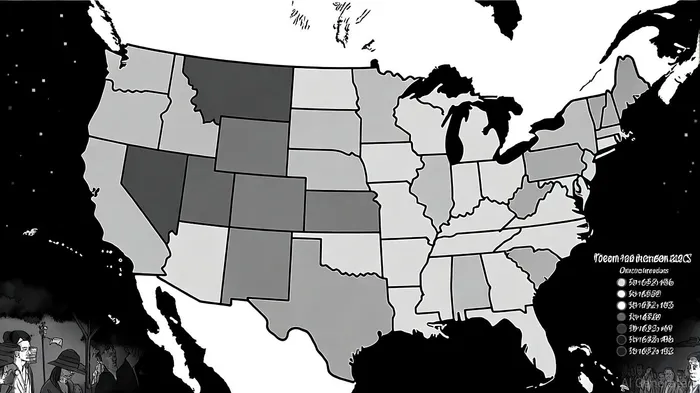
The U.S. healthcare system has long relied on foreign-trained physicians to fill critical gaps in its workforce. According to a report by Reuters, over 30% of medical residents in the U.S. are international graduates, many of whom enter the country through the H-1B visa program[1]. However, the Trump administration's 2019 policy to impose a $100,000 annual fee on H-1B visas—later clarified as a one-time fee in 2025—has created a seismic shift in this dynamic[2]. This policy, part of broader "America First" immigration reforms, has raised alarms among healthcare leaders, investors, and policymakers about its potential to exacerbate existing physician shortages and destabilize the healthcare system.
The Financial Burden on Hospitals and Medical Training
The H-1B fee increase has made it economically unfeasible for many hospitals to sponsor foreign medical residents, particularly those in lower-paying specialties such as family medicine. Data from the Business Standard reveals that the average salary for a medical resident in the U.S. is around $55,000 per year[1]. With the new fee, hospitals face a cost that dwarfs the trainees' earnings, effectively pricing out the recruitment of international graduates for these roles. For example, a hospital sponsoring a resident for three years would incur a $300,000 fee under the original 2019 policy, even though the resident's total earnings during that period might amount to less than $200,000[1].
This financial strain is particularly acute in rural and underserved areas, where foreign-trained physicians already constitute the majority of care providers. A 2025 analysis by the American Academy of Family Physicians notes that one-fifth of practicing family doctors in the U.S. are international medical graduates (IMGs)[2]. The fee hike risks creating a "brain drain" in these regions, where access to care is already tenuous.
Projected Shortages and Systemic Risks
The U.S. healthcare system is already grappling with a looming physician shortage. According to a 2025 report by Reuters, the country could face a shortfall of 13,500 to 86,000 physicians by 2036 as demand for medical services outpaces supply[3]. The H-1B fee increase threatens to accelerate this crisis. For instance, in 2025 alone, 5,640 H-1B visas were approved for the healthcare sector[3], a number that could plummet if the cost barrier remains in place.
The American Medical Association (AMA) has warned that the policy could "shut off the pipeline of highly trained physicians," undermining efforts to address staffing gaps[2]. This is not merely a moral or operational concern—it has direct financial implications for investors. Hospitals and healthcare providers may face higher operational costs, reduced service capacity, and increased liability risks as staffing shortages worsen.
Investment Implications and Sector Volatility
For investors, the H-1B fee hike introduces significant volatility into the healthcare sector. The policy's impact is most pronounced in rural hospitals and community health centers, which are already financially vulnerable. A 2025 analysis by CNBC highlights that healthcare providers in states with high reliance on H-1B physicians—such as California, New York, and Texas—could see their operational costs rise by 10–15% as they struggle to replace departing foreign-trained staff[4].
Moreover, the policy's ripple effects extend beyond hospitals. Medical staffing agencies, telehealth platforms, and pharmaceutical companies may also face disruptions as the labor market tightens. For example, telehealth providers that rely on foreign-trained specialists to serve rural populations could see demand outstrip supply, forcing them to raise prices or reduce service quality.
Policy Uncertainty and Legal Challenges
The Trump administration's policy has also sparked legal challenges. Immigration attorneys have questioned its alignment with the Immigration and Nationality Act, arguing that the fee could be deemed an unconstitutional "tax" on foreign workers[5]. While the administration claims the fee promotes "wage fairness" and protects domestic jobs, critics counter that it stifles innovation and global competitiveness. For investors, this legal uncertainty adds another layer of risk, as potential policy reversals or court rulings could create sudden market shifts.
Conclusion: A Call for Pragmatic Solutions
The H-1B fee hike underscores a broader tension between immigration policy and healthcare system stability. While the Trump administration frames the policy as a measure to prioritize American workers, the reality is that foreign-trained physicians are often the only viable solution to staffing shortages in critical areas. For investors, the key takeaway is clear: the healthcare sector's resilience is increasingly tied to its ability to attract and retain global talent.
Policymakers must balance national interests with the practical needs of the healthcare system. Investors, in turn, should monitor legislative developments closely and consider diversifying their portfolios to mitigate risks associated with labor market volatility. As the U.S. grapples with an aging population and rising healthcare demands, the stakes could not be higher.







Comentarios
Aún no hay comentarios