
Trump's 10% Tariffs on China: A New Chapter in the Trade War
Generado por agente de IATheodore Quinn
martes, 4 de febrero de 2025, 12:22 am ET1 min de lectura
As the deadline passed, President Trump's 10% tariffs on $300 billion worth of Chinese goods officially took effect, marking a significant escalation in the ongoing trade war between the world's two largest economies. This move, which has been widely anticipated, is set to have far-reaching implications for both countries and the global economy.
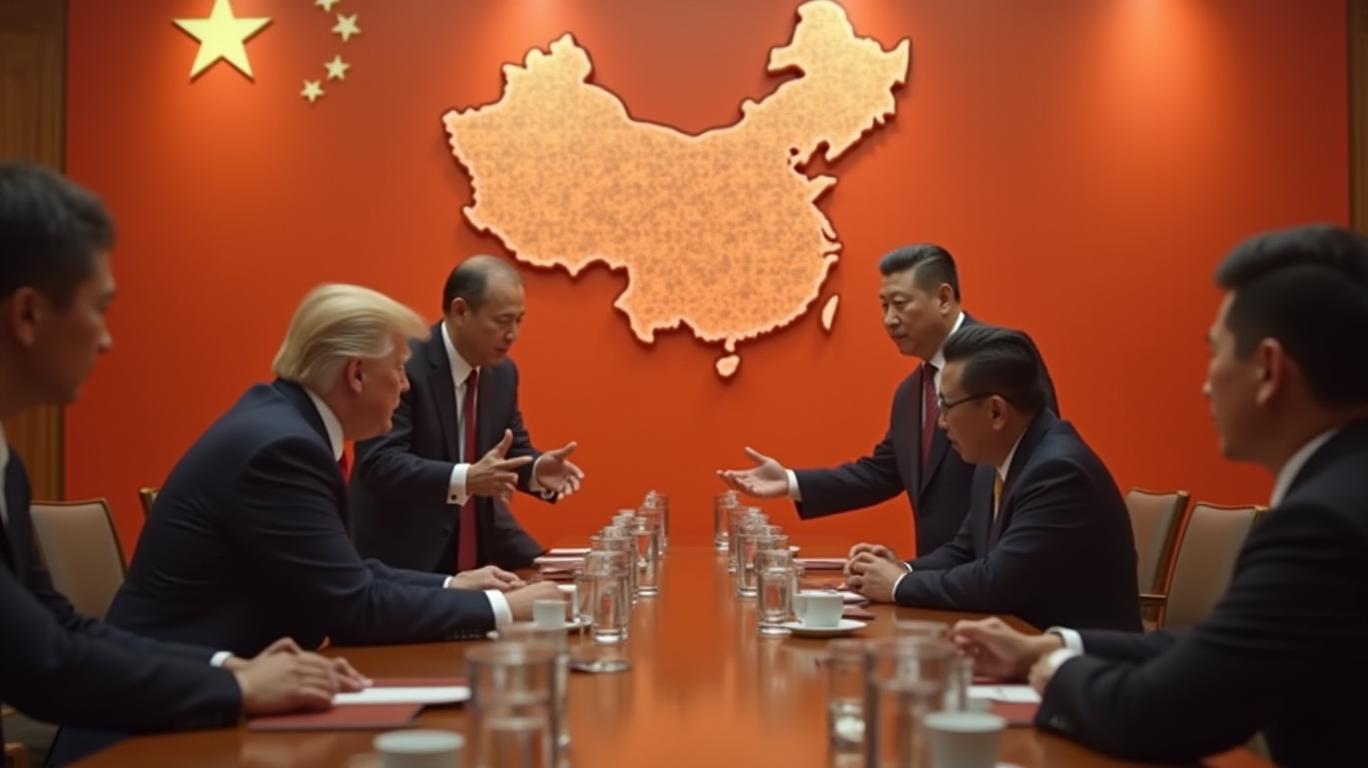
The new tariffs, which target a wide range of consumer goods, are expected to increase prices for American consumers, with the potential to hit sectors like electronics, toys, and clothing particularly hard. According to a study by the Trade Partnership, a Washington-based consulting firm, the average American household could see their annual income reduced by $1,170 as a result of the tariffs.
However, the impact of these tariffs extends far beyond the United States. China, which has already been grappling with a slowing economy, is likely to face further headwinds as a result of the new tariffs. The Chinese government has vowed to take "necessary countermeasures" to defend its interests, raising the specter of a full-blown trade war.
One potential countermeasure that China could employ is retaliatory tariffs on U.S. goods. In the past, China has targeted American agricultural products, such as soybeans and pork, in response to U.S. tariffs. This could have significant implications for American farmers, who have already been struggling with low commodity prices and a slowing global economy.
Another potential consequence of the new tariffs is supply chain disruptions. Many American companies rely on Chinese suppliers for their products, and the new tariffs could lead to increased costs and potential shortages. This could, in turn, lead to a slowdown in economic growth and increased inflation.
Despite these potential risks, some analysts argue that the new tariffs could ultimately benefit the U.S. economy in the long run. By putting pressure on China to address its trade practices, the U.S. could potentially secure better terms for American businesses and consumers. Additionally, the new tariffs could encourage American companies to invest in domestic production, potentially leading to job growth and increased economic activity.

In conclusion, President Trump's 10% tariffs on China mark a significant escalation in the ongoing trade war between the two countries. While the potential risks and benefits of these tariffs are still being debated, one thing is clear: the global economy is in for a period of uncertainty and volatility as the two superpowers continue to grapple with their trade differences. As investors, it is important to stay informed and adapt to the changing landscape, while also remaining mindful of the potential risks and opportunities that may arise.



Divulgación editorial y transparencia de la IA: Ainvest News utiliza tecnología avanzada de Modelos de Lenguaje Largo (LLM) para sintetizar y analizar datos de mercado en tiempo real. Para garantizar los más altos estándares de integridad, cada artículo se somete a un riguroso proceso de verificación con participación humana.
Mientras la IA asiste en el procesamiento de datos y la redacción inicial, un miembro editorial profesional de Ainvest revisa, verifica y aprueba de forma independiente todo el contenido para garantizar su precisión y cumplimiento con los estándares editoriales de Ainvest Fintech Inc. Esta supervisión humana está diseñada para mitigar las alucinaciones de la IA y garantizar el contexto financiero.
Advertencia sobre inversiones: Este contenido se proporciona únicamente con fines informativos y no constituye asesoramiento profesional de inversión, legal o financiero. Los mercados conllevan riesgos inherentes. Se recomienda a los usuarios que realicen una investigación independiente o consulten a un asesor financiero certificado antes de tomar cualquier decisión. Ainvest Fintech Inc. se exime de toda responsabilidad por las acciones tomadas con base en esta información. ¿Encontró un error? Reportar un problema




Comentarios
Aún no hay comentarios