
Trudeau: Canada Won't Rush U.S. Trade Deal, Prioritizes Domestic Economy
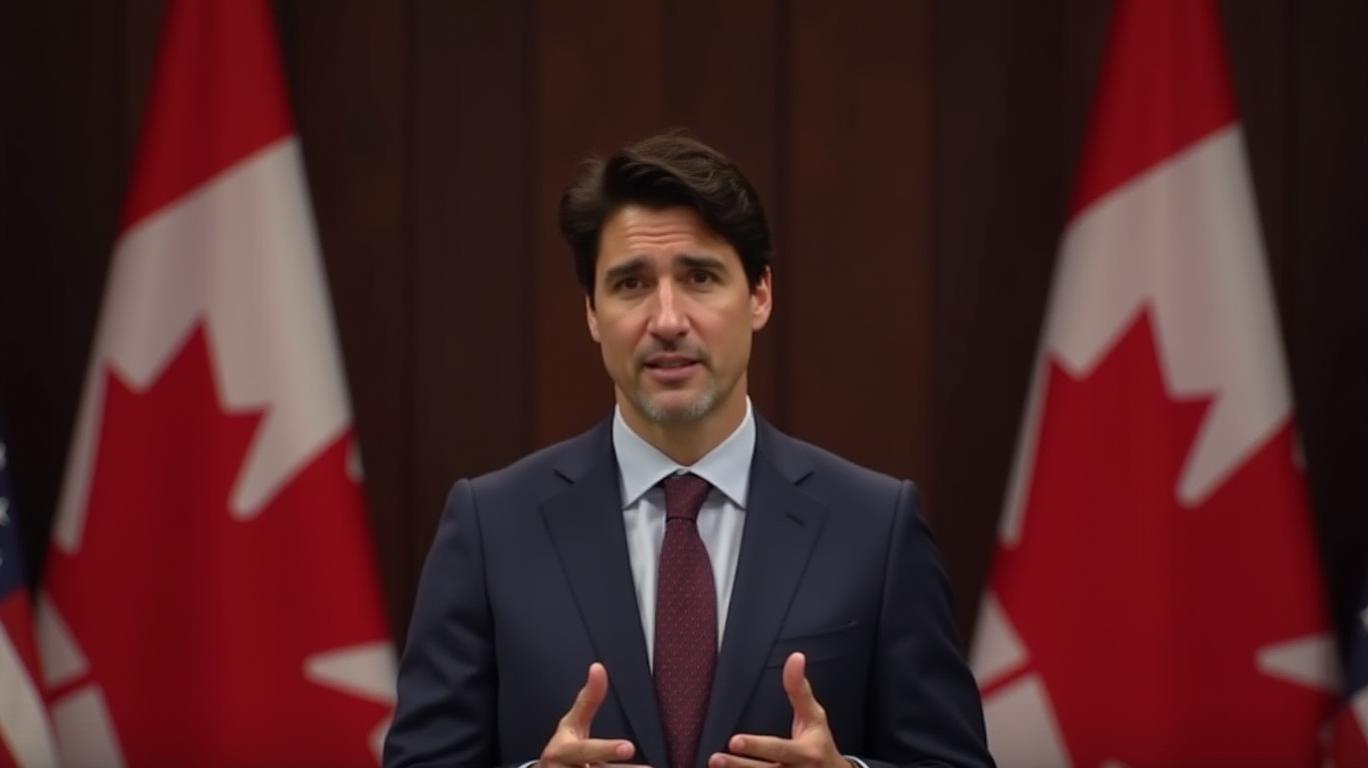
Canadian Prime Minister Justin Trudeau has stated that Canada is not in a rush to reach a trade agreement with U.S. President Donald Trump, emphasizing that the U.S. will ultimately need to return to reality. Speaking to the media during a campaign event in British Columbia, Trudeau asserted that Canada has sufficient leverage in the negotiations and can afford to wait for the right deal. "We do not need to rush into a short-term agreement," Trudeau said. "My government is committed to achieving a suitable and beneficial agreement for Canada."
Trudeau outlined his post-election priorities, which include eliminating domestic trade barriers, promoting housing construction, and advancing resource development projects to boost Canada's domestic economy. These measures, he believes, will not only enhance Canada's economic independence but also strengthen its negotiating position with the U.S. Despite this, Trudeau expressed a desire to meet with Trump face-to-face as soon as possible after the election, potentially within a few days.
Trudeau also addressed previous comments made by Trump during a phone call on March 28, where Trump had suggested the possibility of Canada becoming the "51st state" of the U.S. Trudeau clarified that while Trump's ideas may recur, he treats Trudeau as the Prime Minister of Canada. He emphasized that any future negotiations with Trump will be conducted on the basis of two sovereign nations.
Steve Verheul, the former chief Canadian trade negotiator who led the USMCA negotiations, believes that a trade agreement between the U.S. and Canada is still possible. "I believe the U.S. will eventually realize that isolation is not the best pathPATH-- and will seek allies again, with North America being the safest region for cooperation," Verheul stated. The renegotiation of the USMCA is expected to begin before the 2026 review period. Although the Trump administration has temporarily suspended some "reciprocal tariffs," Trump has hinted at potential increases in tariffs on Canadian automobiles and other key industries.
Verheul identified key sectors such as steel, aluminum, automobiles, automotive parts, pharmaceuticals, lumber, copper, and critical mineral resources as the core areas of future negotiations. However, Canada is not without its own leverage. Verheul highlighted Canada's strength in the energy sector, noting that Canada is the largest foreign supplier of oil to the U.S. Many U.S. refineries rely heavily on lower-priced Canadian heavy oil, with few alternative sources available. "We need them, and they need us," Verheul said. "I believe we will eventually return to the negotiating table and reach an agreement."







Comentarios
Aún no hay comentarios