
Treatt PLC: Navigating Industry Headwinds Through Innovation and Strategic Resilience
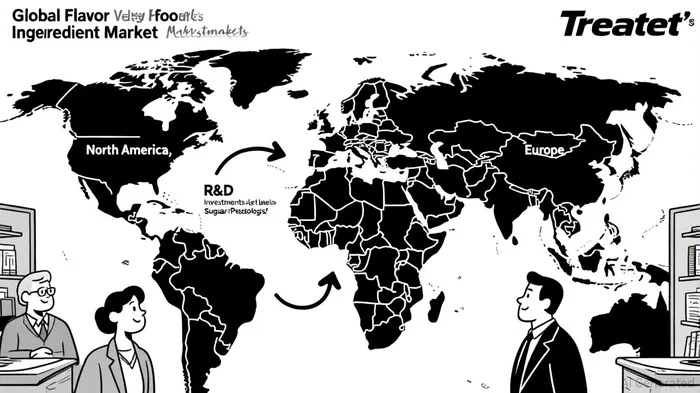
The global flavor and food ingredient industry is at a crossroads, shaped by shifting consumer preferences, geopolitical tensions, and a wave of consolidation. Treatt PLC, a mid-cap player in this space, has faced significant headwinds in 2025, with a 59.6% decline in pre-tax profits for the first half of the year[1]. Yet, beneath the surface of this financial strain lies a company recalibrating its strategy to align with long-term industry trends. By focusing on innovation in sugar reduction, geographic diversification, and infrastructure modernization, Treatt is positioning itself to capitalize on a market projected to grow at a compound annual rate of 5.9% through 2030[2].
Strategic Resilience Amid Profit Pressures
Treatt's profit slump is largely attributable to squeezed margins and volatile citrus prices, which have disproportionately impacted its heritage product lines[1]. However, the company has maintained its 2.60p dividend and continued its £5m share buyback program, signaling confidence in its ability to navigate short-term challenges[1]. This fiscal discipline is critical in an industry where cash flow stability often determines long-term viability.
The company's strategic pivot toward high-growth categories is equally noteworthy. Treatt is doubling down on sugar reduction and clean-label solutions, areas where demand is surging. CEO David Shannon has emphasized the growing adoption of these innovations in beverages such as flavoured waters and functional drinks[1]. This aligns with broader industry trends: the global market for immunity-boosting and gut health ingredients is expanding rapidly, driven by reformulations that include prebiotics and probiotics[2]. Treatt's ability to offer natural, low-sugar alternatives positions it as a key supplier for brands seeking to meet evolving regulatory and consumer demands.
Geographic Diversification and Infrastructure Investments
While North America—Treatt's largest market, accounting for 41% of sales—has seen softer demand due to geopolitical tensions[1], the company is leveraging geographic diversification to offset regional volatility. Its Treattzest segment grew by 43.9% in H1 2025, and the “Rest of World” category surged 25.8%[1]. This momentum underscores the potential of emerging markets, where urbanization and rising disposable incomes are driving demand for premium flavor solutions.
To support this expansion, Treatt is investing in strategic infrastructure. A new innovation center in Shanghai, set to open late in 2025, will enhance its ability to serve Asia-Pacific clients[1]. Meanwhile, a French sample laboratory aims to strengthen collaboration with European partners[1]. These moves mirror industry-wide trends toward localized production and R&D, which reduce supply chain risks and accelerate time-to-market for new products[3].
Industry Consolidation and Technological Innovation
The flavor and food ingredient sector is witnessing a surge in consolidation, with major players like Mars acquiring KellanovaK-- for $36 billion in 2024[4]. While Treatt has not pursued large-scale acquisitions, its focus on organic growth and niche markets positions it to compete in a landscape where smaller firms are increasingly valued for their specialized capabilities. By prioritizing innovation in plant-based proteins and AI-driven flavor creation[3], Treatt is aligning with the same technological advancements that are reshaping the industry.
Precision fermentation and AI-driven ingredient discovery are particularly relevant. These technologies enable the development of novel flavor profiles and sustainable production methods[3], areas where Treatt's R&D investments could yield significant returns. For instance, its work on clean-label solutions could benefit from AI's ability to predict molecular interactions, accelerating the development of natural flavor enhancers[3].
Long-Term Value Creation: A Calculated Path
Treatt's revised full-year guidance—revenue between £146m and £153m for FY25[1]—reflects a tempered but realistic outlook. While the company's current challenges are undeniable, its strategic focus on high-margin innovation and geographic expansion suggests a path to long-term value creation. The global flavors market, valued at $20.25 billion in 2025[2], is expected to grow steadily through 2030, and Treatt's alignment with key trends—sugar reduction, clean-label, and sustainability—positions it to capture a larger share of this growth.
Conclusion
Treatt PLC's journey in 2025 is a case study in strategic resilience. By addressing immediate financial pressures while investing in innovation and geographic diversification, the company is laying the groundwork for a competitive edge in a rapidly evolving industry. For investors, the key takeaway is clear: Treatt's ability to adapt to macroeconomic headwinds and industry trends—without compromising its long-term vision—makes it a compelling candidate for sustained value creation.







Comentarios
Aún no hay comentarios