
Treasury Yields and the Fed Rate-Cut Outlook: Positioning for Inflation Data
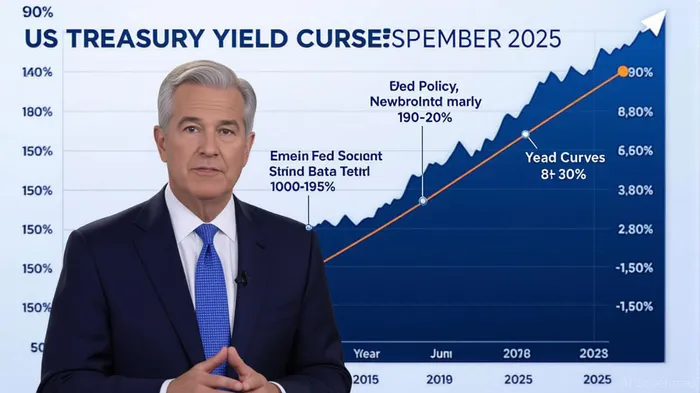
The U.S. Treasury market is at a crossroads, with yields diverging from traditional expectations as the Federal Reserve navigates a complex inflationary landscape. Recent data reveals a 10-year Treasury yield of 4.10% as of September 10, 2025, while the 5-year rate languishes at 3.57%—a narrowing spread that signals shifting investor sentiment about the Fed's policy trajectory and economic growth [3]. Meanwhile, the Federal Reserve's latest projections suggest a median target federal funds rate of 3.4% by year-end 2025, a sharp departure from its current 4.25%-4.50% range [1]. This divergence between short-term policy expectations and long-term yield dynamics creates both risks and opportunities for investors positioning portfolios amid inflation uncertainty.
The Fed's Tightrope: Rate Cuts and Inflationary Pressures
The Federal Reserve's July 2025 FOMC meeting reaffirmed its commitment to a “modestly restrictive” stance, maintaining the federal funds rate at 4.25%-4.50% while continuing its balance sheet reduction [4]. Yet, the June 2025 projections hint at a pivot: policymakers now anticipate a gradual easing cycle, with rate cuts expected to begin in Q3 2025. This shift reflects a recalibration of priorities, as the Fed weighs persistent inflation—partly driven by rising tariffs and global supply chain fragmentation—against weakening labor market indicators [2].
Historically, rate cuts have led to lower Treasury yields as monetary easing boosts asset prices. However, 2024-2025 has defied this pattern. Despite a 100-basis-point rate cut cycle, Treasury yields rose, echoing Alan Greenspan's 2005 “conundrum” [1]. The disconnect stems from inflation expectations: even as the Fed lowers short-term rates, long-term yields remain anchored by fears of sustained price pressures. For instance, the 30-year Treasury yield remains at 4.69%, reflecting investor concerns about inflation's stickiness amid geopolitical tensions and trade policy shifts [2].
Strategic Positioning: Navigating the Yield Curve
For investors, the key lies in understanding where the Fed's policy actions will have the most impact. Short-term rates are likely to respond directly to rate cuts, making 2-year Treasury yields a bellwether for Fed policy. However, long-term yields—particularly in the 10- and 20-year segments—are more sensitive to macroeconomic forces like inflation, global trade dynamics, and fiscal policy.
A Columbia Business School study suggests that lower interest rates could paradoxically reduce rent inflation by boosting homeownership and easing rental demand [4]. This offers a potential pathway for the Fed to achieve its dual mandate without triggering a yield collapse. Yet, Deloitte's analysis warns that trade tensions could constrain rate cuts, forcing the Fed into a “neutral” policy stance if inflation remains stubborn [4].
Positioning strategies should reflect this duality:
1. Short-Duration Treasuries: Investors seeking to capitalize on expected rate cuts may favor 2- and 3-year notes, which will benefit from falling short-term rates.
2. Inflation-Linked Securities: TIPS (Treasury Inflation-Protected Securities) offer protection against unexpected inflation spikes, particularly as tariffs and supply chain disruptions persist.
3. Curve Flattening Bets: The narrowing spread between 5-year and 10-year yields suggests a flattening curve. Investors might hedge against this by shorting long-term bonds while going long on intermediate maturities.
The Road Ahead: Balancing Risks
The Fed's path forward hinges on two critical variables: inflation data and labor market resilience. If inflation moderates as expected—perhaps aided by lower rates reducing rental costs [4]—the Fed could proceed with a 100-basis-point easing cycle by mid-2026. Conversely, a surge in tariffs or a sharper-than-anticipated slowdown could force the Fed to delay cuts, pushing Treasury yields higher despite accommodative policy.
For now, the 10-year yield's projected decline to 4.06% by year-end [3] suggests market confidence in a Fed pivot. Yet, investors must remain vigilant. The breakdown of the traditional rate-yield relationship underscores the need for dynamic positioning, balancing duration risk against inflationary headwinds.







Comentarios
Aún no hay comentarios