
Treasuries Fall as Long Rates Expand Gap Over Short Maturities
Generado por agente de IAEli Grant
martes, 24 de diciembre de 2024, 12:22 pm ET2 min de lectura
GAP--
Treasury yields have been on the rise, with long-term rates expanding their gap over short maturities. This trend has caught the attention of investors and economists alike, as it signals a potential shift in market sentiment and economic expectations. In this article, we will explore the factors driving this divergence and its implications for the broader economy.
The recent ascent of Treasury yields has been paradoxical, occurring simultaneously with the Federal Reserve's rate-cutting cycle. Despite the central bank's efforts to lower interest rates, investors have been demanding higher yields on longer-term bonds. This phenomenon can be attributed to the strength of the U.S. economy, which has shown resilience despite headwinds from rising yields.
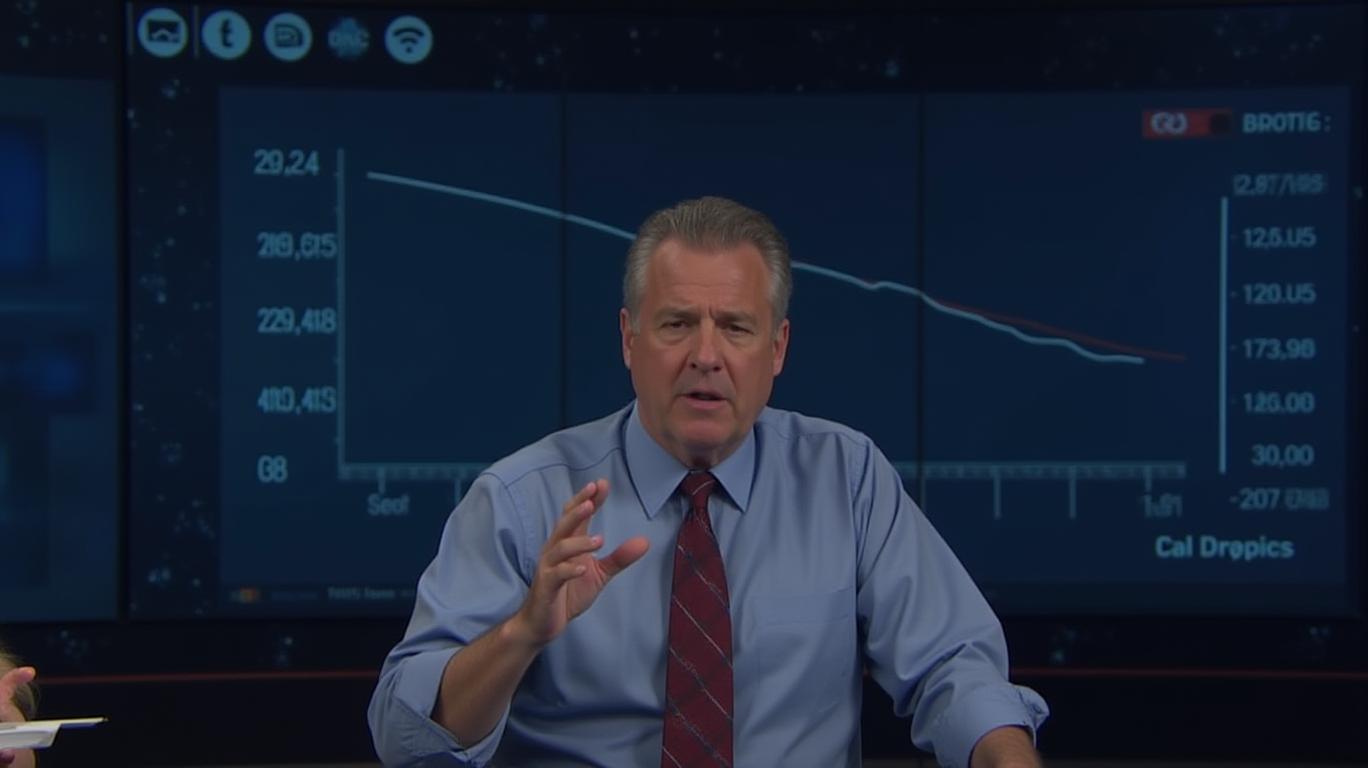
The unemployment rate has declined, and inflation has remained relatively stable, leading Wall Street to expect a slower pace of rate cuts by the Federal Reserve. As a result, the yield on 10-year Treasurys has risen, extending an ascent that began in September 2023. This divergence between interest rates and Treasury yields suggests that investors anticipate a strong economy, which could insulate the stock market from headwinds of rising yields.
Inflation expectations play a significant role in the widening gap between long and short-term Treasury yields. As yields rise, investors demand higher returns to compensate for the risk of inflation eroding the purchasing power of their investments. Long-term yields are more sensitive to inflation expectations because they are exposed to a longer period of potential inflation risk. When investors expect higher inflation, they demand higher long-term yields, causing the yield curve to steepen.
The Federal Reserve's rate-cutting cycle could impact the yield curve and the gap between long and short-term Treasury yields. As the Fed lowers its benchmark rate, investors may expect lower future interest rates, driving up the price of longer-term bonds and reducing their yields. This could lead to a convergence of yields across maturities, potentially flattening the yield curve. However, if the Fed's rate cuts are perceived as a response to slowing economic growth or increased uncertainty, investors might seek the safety of longer-term bonds, driving up their prices and further compressing yields. This could result in an inverted yield curve, signaling a potential recession.
In conclusion, the recent rise in Treasury yields, with long rates expanding their gap over short maturities, reflects investors' confidence in the U.S. economy's resilience. Inflation expectations play a crucial role in this dynamic, as investors demand higher returns to compensate for potential inflation risk. The Federal Reserve's rate-cutting cycle could impact the yield curve and the gap between long and short-term Treasury yields, with potential implications for the broader economy. As the market continues to evolve, investors and economists alike will closely monitor these trends to gauge the health of the economy and the effectiveness of monetary policy.
Treasury yields have been on the rise, with long-term rates expanding their gap over short maturities. This trend has caught the attention of investors and economists alike, as it signals a potential shift in market sentiment and economic expectations. In this article, we will explore the factors driving this divergence and its implications for the broader economy.
The recent ascent of Treasury yields has been paradoxical, occurring simultaneously with the Federal Reserve's rate-cutting cycle. Despite the central bank's efforts to lower interest rates, investors have been demanding higher yields on longer-term bonds. This phenomenon can be attributed to the strength of the U.S. economy, which has shown resilience despite headwinds from rising yields.
The unemployment rate has declined, and inflation has remained relatively stable, leading Wall Street to expect a slower pace of rate cuts by the Federal Reserve. As a result, the yield on 10-year Treasurys has risen, extending an ascent that began in September 2023. This divergence between interest rates and Treasury yields suggests that investors anticipate a strong economy, which could insulate the stock market from headwinds of rising yields.
Inflation expectations play a significant role in the widening gap between long and short-term Treasury yields. As yields rise, investors demand higher returns to compensate for the risk of inflation eroding the purchasing power of their investments. Long-term yields are more sensitive to inflation expectations because they are exposed to a longer period of potential inflation risk. When investors expect higher inflation, they demand higher long-term yields, causing the yield curve to steepen.
The Federal Reserve's rate-cutting cycle could impact the yield curve and the gap between long and short-term Treasury yields. As the Fed lowers its benchmark rate, investors may expect lower future interest rates, driving up the price of longer-term bonds and reducing their yields. This could lead to a convergence of yields across maturities, potentially flattening the yield curve. However, if the Fed's rate cuts are perceived as a response to slowing economic growth or increased uncertainty, investors might seek the safety of longer-term bonds, driving up their prices and further compressing yields. This could result in an inverted yield curve, signaling a potential recession.
In conclusion, the recent rise in Treasury yields, with long rates expanding their gap over short maturities, reflects investors' confidence in the U.S. economy's resilience. Inflation expectations play a crucial role in this dynamic, as investors demand higher returns to compensate for potential inflation risk. The Federal Reserve's rate-cutting cycle could impact the yield curve and the gap between long and short-term Treasury yields, with potential implications for the broader economy. As the market continues to evolve, investors and economists alike will closely monitor these trends to gauge the health of the economy and the effectiveness of monetary policy.

Divulgación editorial y transparencia de la IA: Ainvest News utiliza tecnología avanzada de Modelos de Lenguaje Largo (LLM) para sintetizar y analizar datos de mercado en tiempo real. Para garantizar los más altos estándares de integridad, cada artículo se somete a un riguroso proceso de verificación con participación humana.
Mientras la IA asiste en el procesamiento de datos y la redacción inicial, un miembro editorial profesional de Ainvest revisa, verifica y aprueba de forma independiente todo el contenido para garantizar su precisión y cumplimiento con los estándares editoriales de Ainvest Fintech Inc. Esta supervisión humana está diseñada para mitigar las alucinaciones de la IA y garantizar el contexto financiero.
Advertencia sobre inversiones: Este contenido se proporciona únicamente con fines informativos y no constituye asesoramiento profesional de inversión, legal o financiero. Los mercados conllevan riesgos inherentes. Se recomienda a los usuarios que realicen una investigación independiente o consulten a un asesor financiero certificado antes de tomar cualquier decisión. Ainvest Fintech Inc. se exime de toda responsabilidad por las acciones tomadas con base en esta información. ¿Encontró un error? Reportar un problema


SOBRE NOSOTROS
Nuestra historiaAutores de noticiasBase de conocimientosPolítica de privacidadTérmino de usoDescargo de responsabilidad de corretaje de tercerosTérminos de uso de AIMEDivulgaciones de riesgos de AInvest AICarrerasCONTÁCTENOS
Email: support@ainvest.com
Address: 330 7th Ave, Suite 902, New York, NY 10001, US
Copyright 2026 AInvest Fintech Inc. All rights reserved.


Comentarios
Aún no hay comentarios