
Transform Your Investment: 3 ETFs for $2,000 to $132,000 in 30 Years
Generado por agente de IAEli Grant
domingo, 1 de diciembre de 2024, 3:12 am ET2 min de lectura
SCHG--
Investing in the stock market can be a powerful way to build wealth, but finding the right investments is crucial. Growth exchange-traded funds (ETFs) offer a convenient and low-effort way to potentially earn above-average returns. With the right ETF, you could turn a $2,000 investment into over $132,000 in just 30 years. Here are three unstoppable growth ETFs that could help you achieve this goal with practically zero effort.
1. Vanguard Growth ETF (VUG)
The Vanguard Growth ETF (VUG) is an excellent choice for investors seeking a balance between risk and reward. With an expense ratio of just 0.04%, it's significantly lower than the category average of 0.41%. VUG holds 182 stocks, with around 58% allocated to the tech sector. Its top 10 holdings make up 57% of the ETF's value, providing a mix of blue-chip stocks and smaller companies with explosive growth potential.
Over the past 10 years, VUG has earned an average annual return of 15.17%, substantially higher than the market's historic average of around 10% per year. If you invest $2,000 in VUG right now and never make any additional contributions, with a 15% annualized return, in 30 years, your position could grow to over $132,000.

2. Schwab U.S. Large-Cap Growth ETF (SCHG)
The Schwab U.S. Large-Cap Growth ETF (SCHG) offers a slightly broader and more diversified portfolio compared to VUG. With an expense ratio of 0.03%, it's even more cost-efficient. SCHG holds 230 stocks, with only around 46% allocated to the tech sector. Its top 10 holdings comprise 48% of the fund, offering greater diversification while maintaining exposure to the tech industry's growth.
SCHG has shown strong performance, with an average annual return of 16.10% over the past 10 years. If you invest $2,000 in SCHG right now and hold on for 30 years, with no additional contributions, your position could grow to around $172,000.

3. Vanguard Information Technology ETF (VGT)
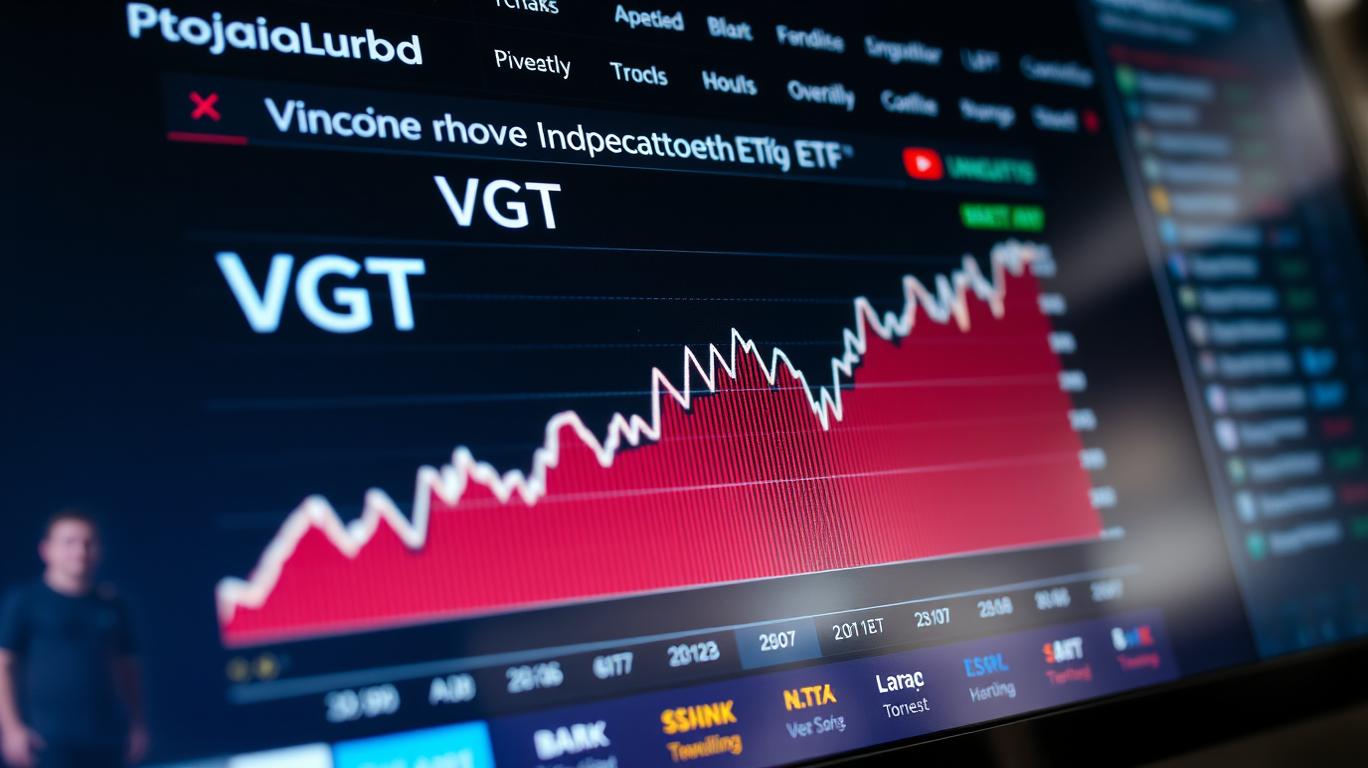
For investors willing to take on more risk for potentially higher returns, the Vanguard Information Technology ETF (VGT) is an attractive option. With an expense ratio of 0.10%, it's still lower than the category average of 0.40%. VGT is entirely dedicated to the tech sector, holding 314 stocks. Its top three holdings – Apple, Nvidia, and Microsoft – make up nearly 45% of the portfolio, but the fund's less diversified nature makes it riskier.
VGT has an impressive 10-year average annual return of 20.37%. If you invest $2,000 in VGT right now and hold on for 30 years, with no additional contributions, your position could grow to around $475,000.
Which ETF is right for you depends on your risk tolerance and investment goals. If you're willing to take on more risk for potentially higher returns, consider VGT. For a more balanced approach, VUG or SCHG may be better suited to your needs. Regardless of your choice, these three ETFs offer the potential for significant long-term growth with minimal effort.
Investing in growth ETFs can be a smart and low-effort way to build wealth over time. By considering your risk tolerance and investment goals, you can choose the right ETF for your portfolio and potentially transform a $2,000 investment into over $132,000 in just 30 years.
VUG--
Investing in the stock market can be a powerful way to build wealth, but finding the right investments is crucial. Growth exchange-traded funds (ETFs) offer a convenient and low-effort way to potentially earn above-average returns. With the right ETF, you could turn a $2,000 investment into over $132,000 in just 30 years. Here are three unstoppable growth ETFs that could help you achieve this goal with practically zero effort.
1. Vanguard Growth ETF (VUG)
The Vanguard Growth ETF (VUG) is an excellent choice for investors seeking a balance between risk and reward. With an expense ratio of just 0.04%, it's significantly lower than the category average of 0.41%. VUG holds 182 stocks, with around 58% allocated to the tech sector. Its top 10 holdings make up 57% of the ETF's value, providing a mix of blue-chip stocks and smaller companies with explosive growth potential.
Over the past 10 years, VUG has earned an average annual return of 15.17%, substantially higher than the market's historic average of around 10% per year. If you invest $2,000 in VUG right now and never make any additional contributions, with a 15% annualized return, in 30 years, your position could grow to over $132,000.
2. Schwab U.S. Large-Cap Growth ETF (SCHG)
The Schwab U.S. Large-Cap Growth ETF (SCHG) offers a slightly broader and more diversified portfolio compared to VUG. With an expense ratio of 0.03%, it's even more cost-efficient. SCHG holds 230 stocks, with only around 46% allocated to the tech sector. Its top 10 holdings comprise 48% of the fund, offering greater diversification while maintaining exposure to the tech industry's growth.
SCHG has shown strong performance, with an average annual return of 16.10% over the past 10 years. If you invest $2,000 in SCHG right now and hold on for 30 years, with no additional contributions, your position could grow to around $172,000.
3. Vanguard Information Technology ETF (VGT)
For investors willing to take on more risk for potentially higher returns, the Vanguard Information Technology ETF (VGT) is an attractive option. With an expense ratio of 0.10%, it's still lower than the category average of 0.40%. VGT is entirely dedicated to the tech sector, holding 314 stocks. Its top three holdings – Apple, Nvidia, and Microsoft – make up nearly 45% of the portfolio, but the fund's less diversified nature makes it riskier.
VGT has an impressive 10-year average annual return of 20.37%. If you invest $2,000 in VGT right now and hold on for 30 years, with no additional contributions, your position could grow to around $475,000.
Which ETF is right for you depends on your risk tolerance and investment goals. If you're willing to take on more risk for potentially higher returns, consider VGT. For a more balanced approach, VUG or SCHG may be better suited to your needs. Regardless of your choice, these three ETFs offer the potential for significant long-term growth with minimal effort.
Investing in growth ETFs can be a smart and low-effort way to build wealth over time. By considering your risk tolerance and investment goals, you can choose the right ETF for your portfolio and potentially transform a $2,000 investment into over $132,000 in just 30 years.

Divulgación editorial y transparencia de la IA: Ainvest News utiliza tecnología avanzada de Modelos de Lenguaje Largo (LLM) para sintetizar y analizar datos de mercado en tiempo real. Para garantizar los más altos estándares de integridad, cada artículo se somete a un riguroso proceso de verificación con participación humana.
Mientras la IA asiste en el procesamiento de datos y la redacción inicial, un miembro editorial profesional de Ainvest revisa, verifica y aprueba de forma independiente todo el contenido para garantizar su precisión y cumplimiento con los estándares editoriales de Ainvest Fintech Inc. Esta supervisión humana está diseñada para mitigar las alucinaciones de la IA y garantizar el contexto financiero.
Advertencia sobre inversiones: Este contenido se proporciona únicamente con fines informativos y no constituye asesoramiento profesional de inversión, legal o financiero. Los mercados conllevan riesgos inherentes. Se recomienda a los usuarios que realicen una investigación independiente o consulten a un asesor financiero certificado antes de tomar cualquier decisión. Ainvest Fintech Inc. se exime de toda responsabilidad por las acciones tomadas con base en esta información. ¿Encontró un error? Reportar un problema


SOBRE NOSOTROS
Nuestra historiaAutores de noticiasBase de conocimientosPolítica de privacidadTérmino de usoDescargo de responsabilidad de corretaje de tercerosTérminos de uso de AIMEDivulgaciones de riesgos de AInvest AICarrerasCONTÁCTENOS
Email: support@ainvest.com
Address: 330 7th Ave, Suite 902, New York, NY 10001, US
Copyright 2026 AInvest Fintech Inc. All rights reserved.


Comentarios
Aún no hay comentarios