
Trane Technologies' Strategic Position in the Decarbonization Era
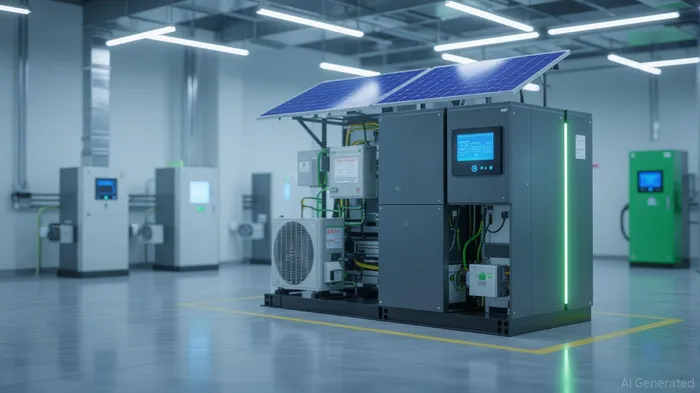
The global push for decarbonization has redefined the HVAC industry, positioning sustainability as a core driver of innovation and market leadership. Trane TechnologiesTT--, a leader in climate control solutions, has emerged as a pivotal player in this transformation. By aligning its R&D and market strategies with decarbonization goals, the company is not only addressing urgent environmental challenges but also creating long-term value for stakeholders. This analysis explores how Trane's focus on innovation, tailored sector solutions, and commitment to low-carbon technologies solidify its strategic position in the evolving HVAC landscape.
Innovation as a Decarbonization Catalyst
Trane's recent advancements in HVAC systems underscore its role in reducing carbon footprints. The company has prioritized the development of high-performance sequences of operation, which optimize energy use while maintaining indoor environmental quality. These sequences, aligned with ASHRAE Guideline 36, incorporate demand-controlled ventilation and economizer modes that adjust operations based on real-time occupancy and weather conditions[2]. Such innovations not only cut energy consumption but also enhance user comfort, making them attractive to commercial and industrial clients.
A critical area of focus for TraneTT-- is the transition to next-generation refrigerants. Under the leadership of Steve Kujak, the company is advancing research into low-global warming potential (GWP) alternatives, which are essential for meeting international climate targets[2]. By proactively addressing refrigerant regulations, Trane is positioning itself to lead in a market where compliance with environmental standards will become increasingly stringent.
Market Leadership Through Sector-Specific Solutions
Trane's ability to tailor solutions to specialized industries further strengthens its market position. In the Life Sciences sector, for instance, the company has developed HVAC systems that meet cGMP and cGLP standards while enhancing energy efficiency[1]. These systems are critical for pharmaceutical and biotechnology facilities, where maintaining precise environmental conditions is non-negotiable. By addressing the unique needs of such high-growth industries, Trane secures long-term contracts and reinforces its reputation as a reliable partner in decarbonization.
The company's alignment with ASHRAE guidelines also amplifies its influence in shaping industry best practices. As buildings and industrial processes become central to global emissions reduction efforts, Trane's adherence to these standards ensures its solutions remain at the forefront of sustainable design and operation.
Long-Term Value Creation in a Decarbonizing World
While direct financial metrics remain undisclosed in the current research, Trane's strategic investments signal robust long-term value creation. The HVAC sector is projected to grow significantly as governments and corporations accelerate decarbonization initiatives. Trane's emphasis on innovation and sector-specific expertise positions it to capture a larger share of this expanding market.
Moreover, the company's proactive approach to regulatory compliance and technological leadership reduces operational risks. For example, its research into low-GWP refrigerants mitigates the threat of obsolescence posed by phasing out high-emission alternatives. This forward-looking strategy not only safeguards revenue streams but also attracts environmentally conscious investors seeking resilient portfolios.
Conclusion
Trane Technologies is strategically poised to thrive in the decarbonization era by leveraging innovation, sector-specific solutions, and regulatory foresight. Its commitment to reducing carbon footprints through advanced HVAC systems and low-GWP refrigerants aligns with global sustainability goals, ensuring relevance in a rapidly evolving market. While financial data remains limited, the company's operational strengths and market leadership provide a compelling case for long-term value creation. As the world transitions to a low-carbon economy, Trane's ability to adapt and lead will likely cement its status as an industry cornerstone.







Comentarios
Aún no hay comentarios