
Trade Wars Begin: The Global Economy on the Brink
Generado por agente de IAWesley Park
domingo, 6 de abril de 2025, 9:51 pm ET3 min de lectura
Ladies and gentlemen, buckleBKE-- up! The trade wars are here, and they’re shaking the global economy to its core. We’re talking about tariffs, retaliation, and a whole lot of uncertainty. This isn’t just about politics; it’s about your money, your investments, and your future. So, let’s dive in and see what’s happening and how you can navigate this storm.
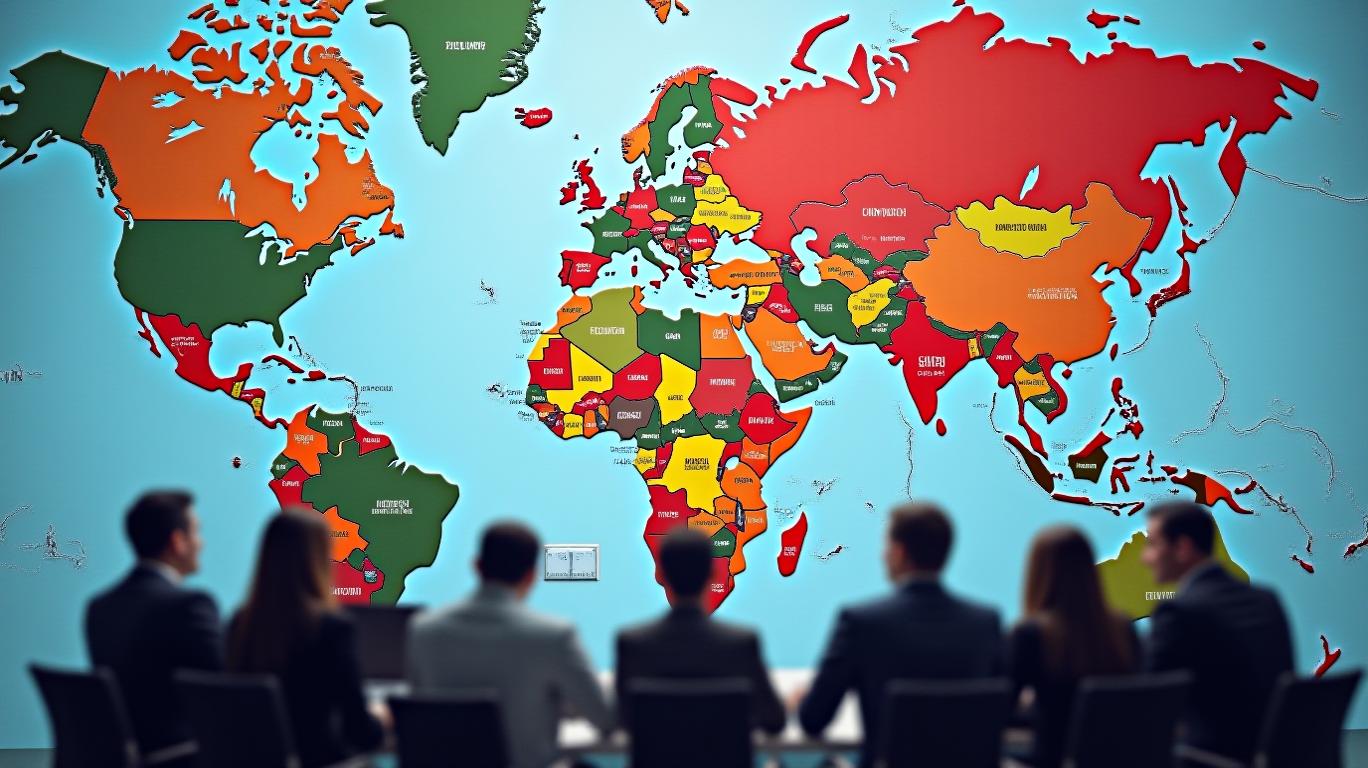
First things first, the latest wave of tariffs—25% on most imports from Mexico and Canada (currently on pause) and 10% on Chinese goods—has officially escalated a global trade war years in the making. This escalation has led to increased costs for businesses and consumers, as well as higher tariff-related costs and declining export competitiveness. For example, American consumers will be among the first to feel the impact, particularly through higher prices on consumer electronics, household goods, and clothing. Products like smartphones, laptops, and appliances, many of which depend on Chinese components, are expected to see price increases in the coming months.
Now, let’s talk about the sectors that are most vulnerable to these tariff wars. The automotive, manufacturing, and agricultureANSC-- sectors are particularly at risk due to their heavy reliance on international trade and supply chains.
1. Automotive Sector: The automotive sector is highly vulnerable to tariff wars. For instance, the U.S. has imposed a 25% tariff on autos, chips, and pharma, which is set to come into effect on April 2nd, 2025. This tariff will significantly impact the automotive industry, which relies heavily on global supply chains. Companies in this sector may face increased costs, margin compression, and reduced global competitiveness. As a result, they may need to adapt by diversifying their supply chains, investing in domestic production, or seeking alternative markets to mitigate the impact of tariffs.
2. Manufacturing Sector: The manufacturing sector is also at risk due to the tariff wars. The U.S. has imposed a 25% tariff on steel and aluminum, which is set to come into effect on March 12th, 2025. This tariff will increase the cost of raw materials for manufacturers, leading to higher production costs and potentially higher prices for consumers. Manufacturers may need to adapt by investing in technology to improve efficiency, seeking alternative suppliers, or passing on the increased costs to consumers.
3. Agriculture Sector: The agriculture sector is particularly vulnerable to tariff wars due to its reliance on exports. For example, China has retaliated against the U.S. by imposing a 15% tariff on chicken, wheat, corn, and cotton imports, and an additional 10% tariff on soybeans, pork, beef, fruits, vegetables, and dairy products, totaling approximately $21 billion of American agricultural products. This will significantly impact U.S. farmers, who may face reduced demand and lower prices for their products. Farmers may need to adapt by diversifying their crops, investing in technology to improve productivity, or seeking alternative markets to mitigate the impact of tariffs.
In summary, the automotive, manufacturing, and agriculture sectors are most vulnerable to the escalating tariff wars. These sectors may need to adapt by diversifying their supply chains, investing in technology, seeking alternative markets, or passing on increased costs to consumers.
Now, let’s talk about the broader implications of these tariff wars. If the current tariff regime persists, the U.S. could experience an annual output decline of up to 2% through 2026. Companies will face increased costs, margin compression, and reduced global competitiveness, particularly in industries dependent on global supply chains. Additionally, the tariff wars have led to a shift in fiscal policy in Europe, with Germany set to amend its constitution to exempt defense and security spending from fiscal limits, unlocking hundreds of billions of euros for investments. This shift in fiscal policy aims to bolster European defense in response to changes in U.S. policy and has made investors more bullish on the growth outlook. However, the long-term effects of these tariff wars on international trade remain uncertain, as they may lead to a more protectionist global trade environment, with countries seeking to reduce their reliance on foreign trade and increase domestic production. This could result in a more fragmented global trade network, with countries forming regional trade blocs and reducing their dependence on global supply chains.
So, what does this mean for you? It means you need to be smart, stay informed, and make strategic moves. Diversify your portfolio, invest in sectors that are less vulnerable to tariffs, and keep an eye on the global market trends. This is not the time to sit on the sidelines; this is the time to act!
Remember, the market hates uncertainty, but it also loves opportunity. So, stay alert, stay informed, and stay ahead of the game. The trade wars are here, but with the right strategy, you can turn this challenge into an opportunity.



Divulgación editorial y transparencia de la IA: Ainvest News utiliza tecnología avanzada de Modelos de Lenguaje Largo (LLM) para sintetizar y analizar datos de mercado en tiempo real. Para garantizar los más altos estándares de integridad, cada artículo se somete a un riguroso proceso de verificación con participación humana.
Mientras la IA asiste en el procesamiento de datos y la redacción inicial, un miembro editorial profesional de Ainvest revisa, verifica y aprueba de forma independiente todo el contenido para garantizar su precisión y cumplimiento con los estándares editoriales de Ainvest Fintech Inc. Esta supervisión humana está diseñada para mitigar las alucinaciones de la IA y garantizar el contexto financiero.
Advertencia sobre inversiones: Este contenido se proporciona únicamente con fines informativos y no constituye asesoramiento profesional de inversión, legal o financiero. Los mercados conllevan riesgos inherentes. Se recomienda a los usuarios que realicen una investigación independiente o consulten a un asesor financiero certificado antes de tomar cualquier decisión. Ainvest Fintech Inc. se exime de toda responsabilidad por las acciones tomadas con base en esta información. ¿Encontró un error? Reportar un problema




Comentarios
Aún no hay comentarios