
Trade Wars and Economic Storm Clouds: A French Perspective on the U.S. Recession Risk
The specter of a U.S. recession looms larger as French central banker François Villeroy deDE-- Galhau, Governor of the Banque de France, warns that the trade war’s escalating tensions could trigger a severe downturn. In April 2025, Villeroy’s stark assessment highlighted the paradox of self-inflicted economic harm, with the U.S. positioned as the first casualty of its own protectionist policies. This analysis examines the implications for investors, weighing the risks and opportunities in a world where trade disputes redefine economic stability.
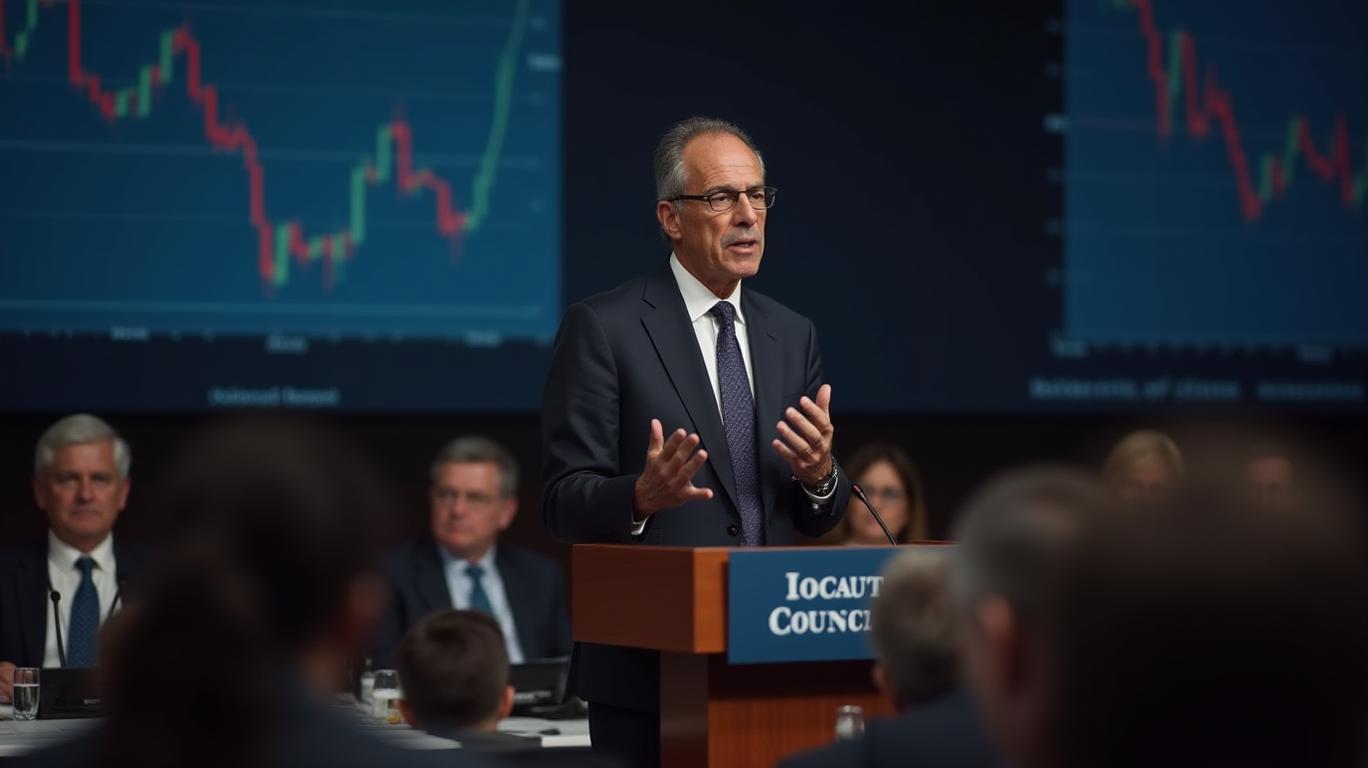
The French Central Banker’s Warning
Villeroy’s remarks underscore a pivotal shift in global economic dynamics. He argues that the trade war, rooted in U.S. tariffs and retaliatory measures, constitutes a “major negative shock” to the U.S. economy. The unpredictability of trade policies—such as sudden tariff hikes or diplomatic escalations—has created a climate of uncertainty that could derail growth. While the eurozone faces a modest GDP hit of 0.25% in 2025, Villeroy emphasizes that the U.S. would bear the brunt of this crisis. “The U.S. economy will be the first to suffer,” he stated, citing reduced investment, faltering consumer confidence, and supply chain disruptions.
Economic Implications: Beyond Tariffs
The Banque de France’s revised 2025 growth forecast for France—0.7%, down from earlier estimates—reflects the spillover effects of trade tensions. . Meanwhile, Villeroy dismisses inflation as a primary concern, noting that global overcapacity and reduced demand could lead to deflationary pressures in Europe. This contrasts sharply with the U.S., where tariffs on imported goods may push prices upward while stifling growth.
The eurozone’s resilience, however, is not absolute. Reduced trade volumes, particularly in sectors like automotive and machinery, could strain export-dependent economies. For investors, this raises questions about the durability of European equities. . A prolonged trade war might favor defensive sectors, such as utilities or healthcare, over cyclicals.
Central Bank Independence and Policy Responses
Villeroy’s critique extends to the erosion of central bank autonomy. Attacks on the Federal Reserve’s independence, such as threats to replace Chair Jerome Powell, amplify economic instability. “Central banks must remain above political fray,” he asserts, framing policy credibility as a bulwark against crises. This underscores the importance of monitoring Fed policy shifts and their impact on bond yields. .
In Europe, the ECB’s cautious stance—avoiding aggressive rate hikes—aims to mitigate the trade war’s damage. Yet, with inflation subdued, the ECB retains flexibility. Investors should track the ECB’s balance sheet policies and their ripple effects on eurozone bonds.
Investment Considerations: Navigating the Trade Storm
The trade war’s unpredictability demands a diversified approach. Key strategies include:
1. Sector Rotation: Shift toward defensive sectors or industries insulated from trade disputes.
2. Currency Hedging: Monitor the U.S. dollar’s performance, which could weaken if recession fears intensify. .
3. Geographic Diversification: Consider emerging markets less entangled in U.S.-Europe trade conflicts.
4. Equity Valuations: Look for U.S. companies with global supply chains or exposure to resilient sectors like technology. .
Conclusion: The Cost of Isolationism
Villeroy’s analysis paints a grim picture of a U.S. economy undermining its own growth through protectionism. With the eurozone’s GDP forecast trimmed to 0.25% and France’s growth at 0.7%, the data underscores the fragility of global trade-driven expansion. Investors must acknowledge that trade wars are not zero-sum games—they create losers on all sides.
The stakes are clear: if the U.S. enters recession, the ripple effects will test even the most diversified portfolios. Prudent investors should prioritize liquidity, avoid overexposure to cyclical sectors, and monitor key indicators like . As Villeroy warns, the path to stability lies in cooperation—not conflict. In this climate, caution, diversification, and a watchful eye on central bank policies remain the best defenses against the storm.







Comentarios
Aún no hay comentarios