
Trade Tensions and Tech Gains: U.S.-China Talks Drive Market Momentum Amid Buy Opportunities
The U.S.-China trade negotiations in May 2025 have become a critical pivot point for global markets, with the Dow Jones futures hovering near uncertainty as tariff talks inch forward. Meanwhile, companies like TeslaTSLA-- (TSLA), Palantir (PLTR), and Alibaba (BABA) are approaching technical buy points, offering investors a mix of optimism and caution. Here’s a deep dive into the opportunities and risks.
U.S.-China Trade Talks: A Fragile Truce?

The May 10 talks in Geneva marked the first face-to-face discussions since the U.S. imposed a 145% tariff on Chinese goods, with China retaliating at 125%. While President Trump floated lowering tariffs to 80%, analysts remain skeptical of a breakthrough. Goldman Sachs warns that inflation could hit 4% by year-end due to tariff-driven import costs, while China’s Q1 GDP grew just 5.4%, below its 5% target.
The Federal Reserve’s caution underscores the stakes: “Tariff shock hasn’t hit yet,” noted officials, hinting at looming risks. For markets, the key is whether tariffs can be phased down to 45% or lower by year-end—a “make-or-break” threshold for restoring trade flows.
Tesla: Trade Optimism Fuels a Short-Term Rally
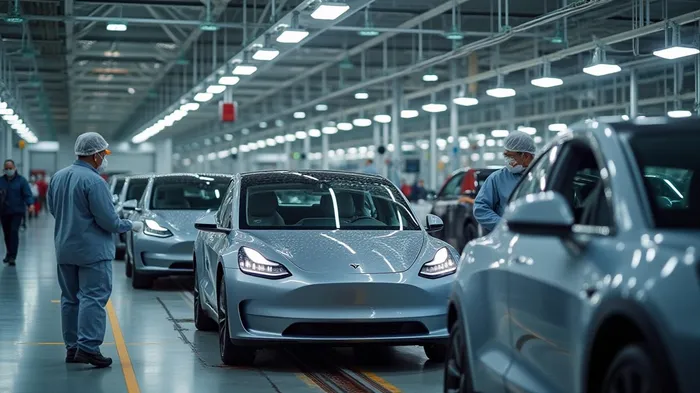
Tesla surged 4.7% on May 9, its third consecutive week of gains, as traders bet on tariff relief. While the stock remains down 25% year-to-date, the optimism stems from Trump’s tariff reduction talk.
Technical Take:
- Buy Point: The 4.7% jump suggests a short-term entry near $180–$190, with resistance at $200.
- Risks: Tariff talks could falter, and Tesla’s European sales (down 10% YoY) remain a concern.
Analysts highlight the stock’s sensitivity to macroeconomic conditions: “A synchronized tariff cut would be a tailwind,” said Morgan Stanley, but “don’t overlook the inflationary pressure tariffs create.”
Palantir: AI Growth Justifies the Dip
Palantir’s 12% drop after Q1 earnings was a buying opportunity. Despite beating sales expectations, the stock fell on valuation concerns—its 87x price-to-sales ratio appeared stretched.
Technical Take:
- Buy Point: The post-earnings dip to $25–$27 creates a strategic entry, with targets near $35 by year-end.
- Catalyst: AI-driven contracts rose 66% YoY in Q1, pushing RDV to $6 billion. Analysts project a $1 trillion market cap by 2030 if growth stays above 40% annually.
“The AI software market is booming, and Palantir is the leader,” noted JPMorgan. Its Qwen3 AI platform and 36% revenue guidance raise make it a long-term bet despite near-term volatility.
Alibaba: AI and Trade Risks Weigh on a Buy Signal
Alibaba’s stock trades at $125—up 45% YTD but still 61% below its peak. While the AI partnership with Apple and $380 billion in AI/cloud investments are positives, trade tensions loom.

Technical Take:
- Buy Point: Support at $116–$120 offers a risk-reward entry, with resistance at $148.
- Risks: U.S. tariffs on $800+ goods and domestic deflation in China could curb growth.
Analysts are split: Barclays sees $180 potential but warns of geopolitical headwinds. The May 15 earnings report will test whether its core e-commerce and cloud divisions can offset macro pressures.
Conclusion: Trade Talks Are the X-Factor
The Dow Jones futures—and these stocks—are tied to the outcome of U.S.-China talks. For now:
- Tesla and Palantir offer tactical opportunities, but their success hinges on tariff relief and AI adoption.
- Alibaba requires a geopolitical thaw, but its valuation and AI bets make it a speculative long-term play.
Key data points reinforce the cautious optimism:
- Palantir’s AI contracts are growing 66% YoY, underpinning its $21B revenue target by 2030.
- Tesla’s 36% revenue growth in H1 2024 (if sustained) could offset tariff risks.
- Alibaba’s $50B net cash position provides a safety net for turbulent trade waters.
Investors should proceed with a watchful eye: the path to a trade deal is rocky, but these stocks offer entry points worth considering—if you can stomach the uncertainty.





Comentarios
Aún no hay comentarios