
Trade Tensions and Tariffs Shake Markets Ahead of Fed Decision
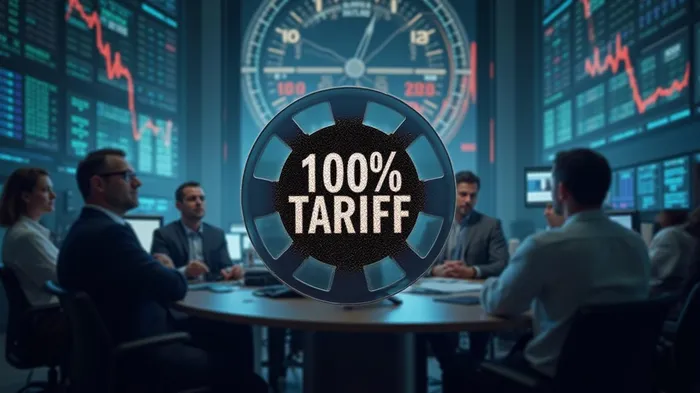
The S&P 500 and Nasdaq faced a rocky start to the Federal Reserve’s May decision week, as renewed trade tensions and President Donald Trump’s surprise 100% tariff on foreign-produced movies rattled investor confidence. While the Dow Jones edged higher, the broader market’s retreat underscored the precarious balance between tariff-driven risks and hopes for Federal Reserve rate cuts.
The Tariff Shock
Trump’s tariff announcement—labeled a “national security” measure to protect U.S. film jobs—sent shockwaves through entertainment and tech stocks. Netflix fell 2.1%, Amazon dropped 1.2%, and Paramount Global slumped 1%, as investors grappled with the policy’s implications for global content production. The tariffs also dragged Berkshire Hathaway’s Class B shares down 4.4% after Warren Buffett’s surprise announcement to step down as CEO by year-end.
The move reignited fears of escalating trade wars, particularly with China, which has already imposed tariffs on Hollywood films. Analysts noted that studios like Universal and Disney, which rely on international tax incentives for productions, could face soaring costs.
Fed Decision Week: Balancing Risks
The Fed’s May 7 meeting looms large, with markets pricing in a 25-basis-point rate cut by July and an 80-basis-point reduction by year-end. While the central bank is expected to hold rates steady this week, its forward guidance will be critical. Inflation remains stubbornly above the 2% target—core PCE inflation hit 2.6% in March—though tariff-induced cost pressures complicate the outlook.
The Fed faces a dilemma: easing too soon risks fueling inflation, while waiting could deepen the Q1 GDP contraction.
Sector Split: Winners and Losers
- Energy: Slumped 1.7% as OPEC+ supply hikes offset demand concerns.
- Services: Resilient, with the ISM Services PMI showing growth in April, though inflationary pressures persisted.
- Financials: Supported the Dow’s slight gain, as banks benefited from higher short-term rates.
Notably, gold miners like Gold Fields and Anglogold Ashanti rose amid safe-haven demand, reflecting trade uncertainty. Meanwhile, Tyson Foods’ 9.2% plunge after missing revenue targets highlighted sector-specific risks.
Global Fallout and Investor Sentiment
European film producers decried the tariffs as “unthinkable,” citing Hollywood’s reliance on international co-productions. The U.K. and EU warned of retaliatory measures, while China’s existing tariffs on U.S. films could escalate tensions further. Analysts at Dakota Wealth noted that investors remain cautiously optimistic, betting on diplomatic resolutions.
Yet the market’s nine-day S&P 500 winning streak—a streak not seen since 2004—ended abruptly, underscoring trader anxiety. With the Fed’s communication on inflation and policy adjustments set to dominate the week, volatility is likely to persist.
Conclusion: Navigating the Crosswinds
The market’s mixed performance reflects a tug-of-war between trade policy risks and hopes for Fed easing. While the 100% film tariff is a symbolic blow to global supply chains, its immediate economic impact remains uncertain. Investors should watch two key indicators:
1. Fed Language: A dovish tilt toward June cuts could buoy equities, but inflation data will be critical.
2. Trade Negotiations: Progress with China or rollbacks of tariffs could ease sector-specific pressures.
For now, the S&P 500’s retreat to 5,665.48 and Nasdaq’s dip to 17,884.17 signal caution. With the Fed’s balance sheet and geopolitical risks front and center, the path forward hinges on whether policymakers can mitigate trade shocks without derailing the recovery.
Investors are left navigating a landscape where trade tensions and monetary policy are two sides of the same coin—one that could swing markets sharply in either direction.







Comentarios
Aún no hay comentarios