
Trade Tensions and Inflation Fears Drive Market Volatility in a Pivotal Week
The week of April 7–11, 2025, was a battleground for investors grappling with escalating trade conflicts, shifting inflation dynamics, and central bank crossroads. Markets swung wildly as the U.S. imposed retaliatory tariffs on China and Vietnam, triggering a 7.86% drop in the Dow Jones in the prior week, while Federal Reserve minutes signaled caution amid rising supply chain pressures. This article dissects the key events reshaping global markets—and why investors must brace for more turbulence ahead.
Inflation Takes Center Stage: Core CPI and Consumer Sentiment Collide
The U.S. Core CPI report on April 10 became the week’s linchpin, with consensus expecting a slight deceleration to 3.0% year-over-year. A stronger-than-expected reading could reignite rate-hike speculation, while a miss might deepen expectations of Fed easing.
Meanwhile, the Michigan Consumer Sentiment index dropped to a preliminary 54.0 in April, its lowest level since mid-2023, as households grappled with tariff-driven inflation fears. This sentiment slump underscores a dangerous feedback loop: higher prices erode spending, which pressures corporate earnings and equity markets.
Brazil’s data added nuance to the global inflation picture. Its March CPI rose 1.31% month-over-month, while the IBC-Br economic activity index expanded 0.9% in February, signaling resilience despite external headwinds.
Central Banks Navigate Policy Crossroads
The Fed’s March FOMC meeting minutes on April 8 revealed deepening divisions over inflation persistence and trade policy’s economic toll. While no rate decision was made, policymakers emphasized “caution” amid tariff-driven inflation and growth risks—a stark contrast to earlier hawkish rhetoric.
Across the globe, New Zealand’s RBNZ and India’s RBI faced their own dilemmas. The RBNZ held rates steady at 5.75%, citing “uncertainty from global trade disputes,” while India’s RBI paused its tightening cycle at 6.50% amid geopolitical trade tensions. Both central banks acknowledged supply chain disruptions as a key downside risk.
Trade Wars and Supply Chains: The New Market Wildcard
The U.S. tariff regime—54% on China, 46% on Vietnam, and 20% on the EU—ignited fears of a full-blown trade war. China’s retaliatory measures, including tariffs on U.S. agricultural exports, exacerbated volatility. 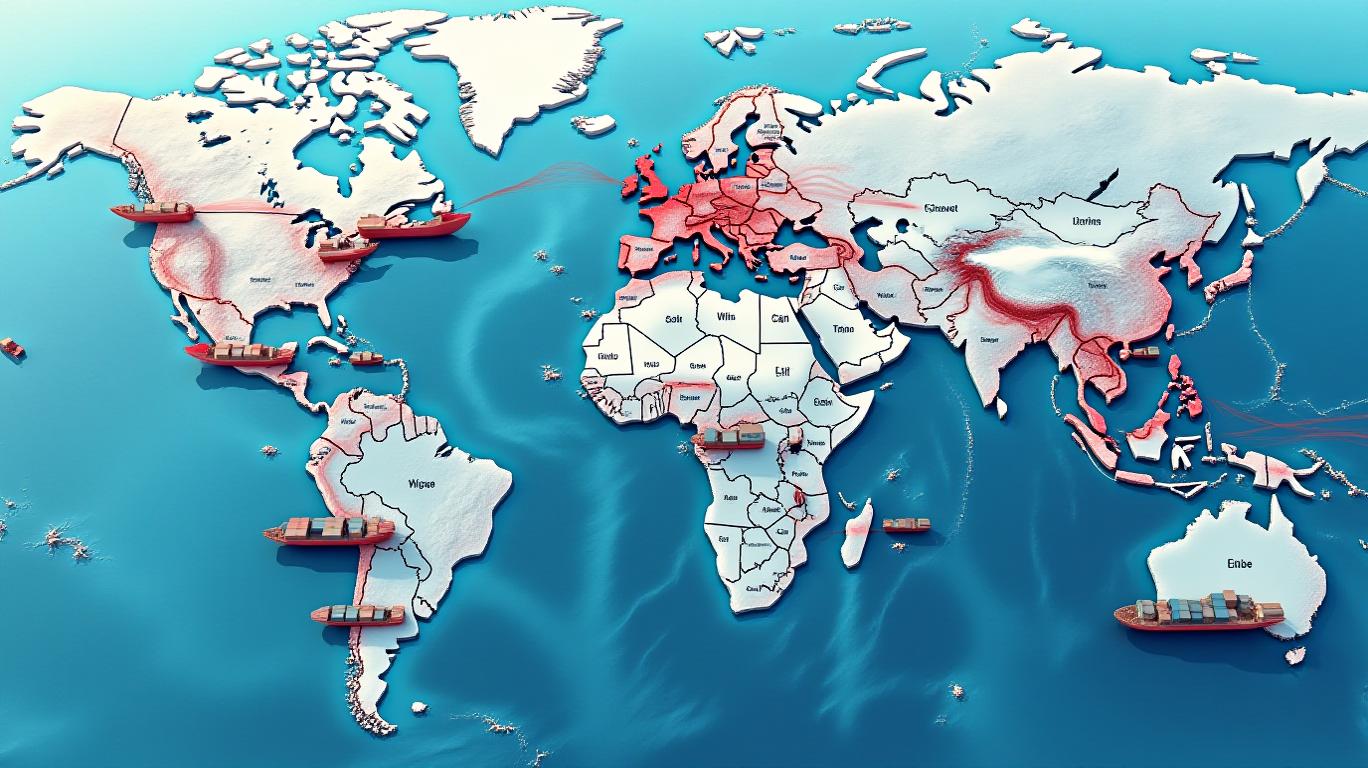
The S&P Global GEP Supply Chain Volatility Index, due April 11, is expected to hit record highs as manufacturers face soaring input costs. S&P noted that 78% of surveyed firms reported tariff-induced delays or cost spikes, with the steepest inflation in manufacturing inputs since 2021.
Regional Disparities and Equity Market Reactions
While the U.S. equity markets faltered, emerging markets like Brazil and India faced mixed outcomes. Brazil’s Bovespa index dipped 1.2% on April 11 as its March CPI data exceeded expectations, while India’s Nifty 50 surged 2.1% after the RBI’s dovish pivot. In Europe, Germany’s March CPI held steady at 2.2%, but the Eurozone’s manufacturing sector remained mired in contraction.
Conclusion: Navigating the Perfect Storm
This week’s events crystallized three critical themes for investors:
1. Inflation’s New Drivers: Tariff-induced price pressures could prolong central bank caution. The U.S. Core CPI’s 3.0% target is now a knife’s edge; a miss could trigger a Fed policy rethink.
2. Trade War Escalation Risks: With global supply chains strained and equity markets volatile, diversification into commodities (e.g., gold) or defensive sectors may mitigate downside.
3. Central Bank Uncertainty: The Fed’s pivot from hawkishness to caution signals a potential policy shift, but geopolitical risks could delay rate cuts until late 2025.
Investors should prioritize liquidity and monitor key indicators like the Michigan Sentiment (now at 54.0) and the GEP Index. As markets brace for more turbulence, patience—and a keen eye on trade negotiations—will be vital.

Final Note: The week ahead will test investors’ resolve as inflation data collides with geopolitical realities. Stay informed, stay nimble, and brace for impact.







Comentarios
Aún no hay comentarios