
Trade Tensions Ignite Tech Sector Turbulence: Navigating Geopolitical Risks in Portfolio Strategy
President Trump's May 23 tariff threats—50% on all EU imports and 25% on AppleAAPL-- products—mark a seismic escalation in global trade hostilities. With a June 1 deadline looming, markets are bracing for a collision of economic and geopolitical forces that could upend tech supply chains, compress corporate margins, and destabilize sector valuations.
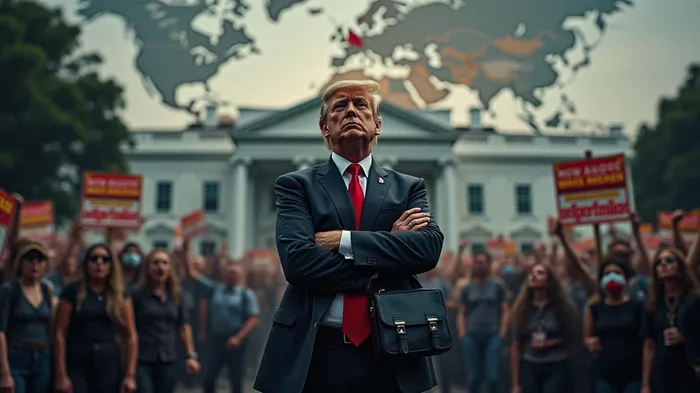
The immediate impact is clear: U.S. stock futures tumbled 1.3%, European indexes fell over 2%, and Apple's shares dipped 3% amid fears of a $1,500–$3,500 price surge for iPhones if tariffs take hold. The EU, meanwhile, faces retaliatory tariffs on $100 billion of U.S. goods, from aircraft to car parts, escalating a cycle of mutual harm.
For tech investors, the stakes are existential. Apple's reliance on Asian manufacturing—a cornerstone of its cost structure—now threatens to become a liability. Even if production relocates to the U.S., analysts warn of years-long disruptions and inflationary pressures.
The ripple effects extend beyond Apple. The EU-U.S. trade relationship, worth $900 billion annually, is now weaponized. Trump's dismissal of EU compromise proposals—such as zero-tariff agreements—underscores a strategy of ultimatums over diplomacy. For portfolios, this demands defensive reallocation:
- Hedge with low-volatility tech stocks: Microsoft, IBM, or Cisco—companies with diversified revenue streams and cash reserves—offer ballast against sector volatility.
- Diversify into non-U.S. equities: The Euro Stoxx 50, though currently pressured, may rebound if EU-U.S. tensions force conciliation.
- Allocate to inflation-protected securities: Treasury Inflation-Protected Securities (TIPS) could buffer against tariff-driven price hikes.
- Short-term hedges: Consider inverse ETFs (e.g., SRSX) or volatility-linked products to offset near-term market swings.
The June 1 deadline looms large, but the clock is already ticking. With diplomatic talks stalled and legal challenges imminent, portfolios must prioritize resilience over growth. Investors who delay risk being caught in a storm of supply-chain disarray, corporate profit warnings, and sector-wide revaluation. Act now to insulate against the geopolitical storm—before it hits.
The path to portfolio safety in this era of trade warfare is clear: diversify, hedge, and prepare for the unexpected. The question is, can you afford to wait?





Comentarios
Aún no hay comentarios