
Trade Liberalization Sparks Aerospace and E-Commerce Revival: Seize the Policy-Fueled Opportunity
The U.S.-China trade truce of May 2025, marked by sweeping tariff reductions and Boeing’s return to China’s market, has unlocked a dual opportunity in aerospace and e-commerce sectors. This policy-driven reset not only eases supply chain bottlenecks but also reshapes competitive landscapes, favoring agile firms positioned to capitalize on regulatory tailwinds. For investors, the question is clear: Can the confluence of tariff cuts and Boeing’s comeback create a durable profit engine in these sectors? The answer lies in the interplay of policy catalysts, supply chain dynamics, and undervalued players primed for growth.
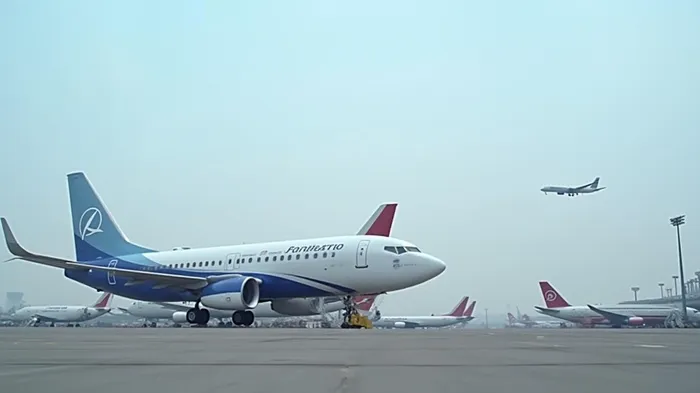
Aerospace: Boeing’s Return and the Supply Chain Reboot
The lifting of China’s BoeingBA-- ban is a $1.2 billion lifeline for the manufacturer, enabling the delivery of 50 aircraft stranded in 2024. This move directly addresses Boeing’s inventory overhang and reopens access to a market representing 20% of global aircraft demand by 2045. However, the true opportunity lies in the supply chain revival:
- Tailwinds for Suppliers: Boeing’s reliance on U.S. partners like Spirit AeroSystems (SPR) and Honeywell (HON) positions these firms to benefit from restocking demand. With China’s tariffs on aerospace parts reduced from 125% to 10%, suppliers can now negotiate more favorable terms for components such as engines and avionics.
- Competitive Repositioning: Boeing’s return challenges Airbus’s dominance in China, which had surged during the trade war. Investors should watch Boeing’s order backlog recovery and Spirit AeroSystems’ production metrics as leading indicators of sector momentum.
Boeing’s stock has lagged broader markets amid trade uncertainty—yet its valuation now reflects downside risks. A sustained recovery in deliveries could trigger a rerating.
E-Commerce: De Minimis Reforms and the Small Business Boom
The temporary rollback of U.S. tariffs to 30% on Chinese imports, paired with adjustments to the de minimis exemption, creates a golden window for small manufacturers and e-commerce players:
- Margin Expansion: The de minimis threshold—though still excluding $800+ shipments—reduces costs for low-value imports. For example, a $500 shipment from China now faces a 30% tariff ($150) versus the previous 125% ($625), freeing up $475 in capital for reinvestment.
- Tech-Driven Logistics Winners: Companies like FedEx (FDX) and C.H. Robinson (CHRW), which specialize in cross-border logistics and customs compliance, are poised to capture growth as e-commerce activity rebounds. Their expertise in navigating tariff regimes and optimizing supply chains gives them an edge.
The May 2025 tariff cut aligns with a projected 22% surge in e-commerce imports from China by year-end—driven by small businesses and retailers.
Undervalued Plays: Where to Deploy Capital Now
1. Aerospace Component Makers:
- Spirit AeroSystems (SPR): A key Boeing supplier with exposure to 737 MAX production. Its valuation is ~7x forward earnings—a discount to peers.
- Hexcel (HXL): Carbon-fiber specialist benefiting from lightweighting trends in both aerospace and EVs.
2. Tech-Enabled Logistics:
- C.H. Robinson (CHRW): Leverages AI-driven freight routing to optimize cross-border flows amid tariff changes.
- Flexport: A digital freight forwarder (private but worth watching for public market exposure).
3. E-Commerce Enablers:
- Shopify (SHOP): Its logistics platform helps small businesses navigate de minimis rules and tariff regimes.
Near-Term Catalysts vs. Risks
Catalysts to Watch:
- Boeing’s Q2 2025 Order Backlog: A jump in new orders from Chinese carriers would validate market access.
- U.S.-China Trade Talks: The 90-day truce’s extension or permanent tariff resolution could supercharge sector momentum.
Risks to Manage:
- Geopolitical Volatility: A breakdown in talks could reinstate punitive tariffs, especially if fentanyl-related disputes escalate.
- Supply Chain Hiccups: Engine shortages (e.g., CFM International’s backlog) or rare earth metal disruptions could delay aerospace recovery.
Conclusion: Act Before the Market Catches On
The U.S.-China trade truce is far from perfect, but it’s a game-changer for aerospace and e-commerce. Investors ignoring these sectors risk missing a multiyear cycle of margin expansion, supply chain normalization, and competitive repositioning.
Immediate Action Steps:
1. Allocate 5–7% of portfolios to aerospace suppliers like SPR and HXL.
2. Add logistics plays (FDX, CHRW) to capture e-commerce’s post-tariff rebound.
3. Set stop-losses tied to Boeing’s delivery metrics and geopolitical headlines.
The clock is ticking. As tariffs drop and Boeing’s jets take flight, the next 90 days will reveal whether this truce is a turning point—or a fleeting pause. Move quickly, but stay vigilant.
Disclaimer: Past performance is not indicative of future results. Geopolitical risks remain elevated.





Comentarios
Aún no hay comentarios