
Toyota Boshoku's Solar Blueprint: A Model for Cost-Effective Decarbonization and Investment Opportunity
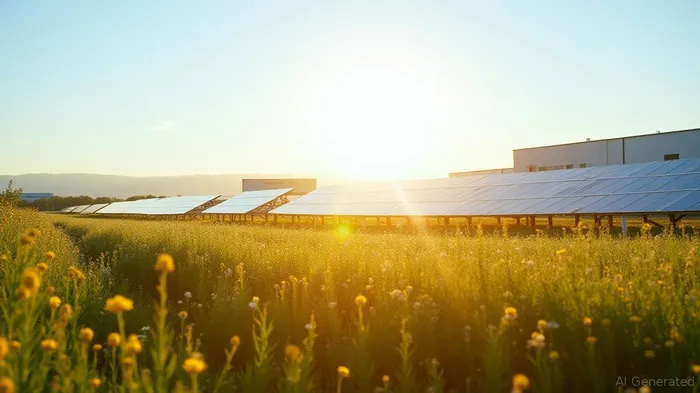
Toyota Boshoku America's (TBA) newly operational 5.7-megawatt solar project in Lawrenceville, Illinois, is more than a sustainability milestone—it's a masterclass in strategic partnerships and scalable decarbonization. By harnessing solar energy to meet 85% of its manufacturing plant's electricity needs, TBA has not only slashed its carbon footprint but also demonstrated a replicable framework for industries seeking to align profitability with planetary stewardship. This project, a collaboration with Onyx Renewables, Sol Systems, and Nelnet Renewable Energy, could signal a turning point for investors seeking exposure to companies that are future-proofing their operations through renewable energy.
Cost-Effective Decarbonization: The Power Purchase Agreement (PPA) Model
The linchpin of TBA's success is its partnership with Onyx Renewables, which operates the solar array under a PPA. This structure allows TBA to avoid upfront capital costs while securing discounted, long-term energy prices. The result? An immediate reduction in operational expenses while achieving an 85% renewable energy target—a feat that positions TBA to meet its 2050 carbon neutrality goal decades ahead of regulatory mandates.
The PPA model is a game-changer for manufacturers, particularly those in energy-intensive sectors. By transferring capital risk to specialized renewable developers like Onyx, companies can decarbonize without straining balance sheets. TBA's approach underscores why PPAs are now the fastest-growing mechanism for corporate renewable energy adoption.
Job Creation and Workforce Development: A Win for Communities
Nelnet Renewable Energy's role as the EPC partner highlights another critical advantage: localized economic impact. By mandating that 15% of labor hours go to apprentices and paying prevailing wages, the project directly uplifts the Lawrenceville community—a region classified as an “energy community” due to its reliance on fossil fuel industries. This approach not only addresses workforce shortages in renewable energy but also builds social license for projects by ensuring tangible local benefits.
For investors, this dual focus on environmental and economic equity is a red flag for long-term stability. Companies like TBA that embed community development into their sustainability strategies are better positioned to navigate regulatory and reputational risks.
Scalable Partnerships: The Renewable Energy Ecosystem at Work
TBA's project exemplifies how cross-sector collaboration can accelerate the energy transition. Sol Systems' expertise in site selection and energy optimization ensured the solar array maximizes output on adjacent land, while Onyx's operational prowess secures cost savings. This “plug-and-play” model—where specialized firms handle development, construction, and ownership—can be replicated across industries, from automotive to logistics.
The project's pollinator-friendly design, developed with the Illinois Department of Natural Resources, further illustrates how sustainability goals can harmonize with ecological stewardship. Such innovations signal to regulators and consumers that companies are serious about holistic environmental impact, a key differentiator in an increasingly ESG-conscious market.
Why Investors Should Take Note
The TBA solar project is more than a single initiative—it's a template for sustainable manufacturing. Companies that adopt similar partnerships stand to benefit from:
- Stable Energy Costs: PPAs hedge against volatile fossil fuel prices.
- Carbon Risk Mitigation: Meeting emissions targets early reduces future compliance costs.
- Enhanced ESG Ratings: Boosts investor confidence and access to green financing.
- Workforce and Community Alignment: Reduces operational friction in regions reliant on declining industries.
For investors, the TBA model suggests a compelling thesis: back companies that prioritize renewable energy partnerships with clear cost, environmental, and social returns.
Conclusion: The Solar Array as a Beacon for Investment
Toyota Boshoku's solar project is a beacon for industries and investors alike. It proves that decarbonization need not be a burden but a catalyst for innovation, cost efficiency, and community uplift. As regulators and consumers demand greater accountability, companies like TBA that embed sustainability into their operational DNA will thrive.
The time to act is now. Investors should prioritize firms adopting PPA-driven renewable partnerships, as these projects not only future-proof operations but also create measurable value—financially, environmentally, and socially. The sun is rising on sustainable manufacturing, and TBA is leading the way.





Comentarios
Aún no hay comentarios