
TotalEnergies and the Strategic Value of Long-Term Renewable Energy Partnerships
In an era where the energy transition is accelerating at an unprecedented pace, TotalEnergiesTTE-- (TTE) has positioned itself as a pivotal player in bridging the gap between traditional energy giants and the surging demand for clean power from the technology sector. By securing long-term, high-margin Power Purchase Agreements (PPAs) with tech titans like GoogleGOOGL--, TotalEnergies is not only fortifying its Integrated Power segment but also redefining its role in a decarbonizing global economy. These partnerships, spanning continents and decades, underscore a strategic pivot toward renewable energy that aligns with both corporate sustainability goals and investor expectations for resilient growth.
A Dual-Pronged Approach: Malaysia and Ohio
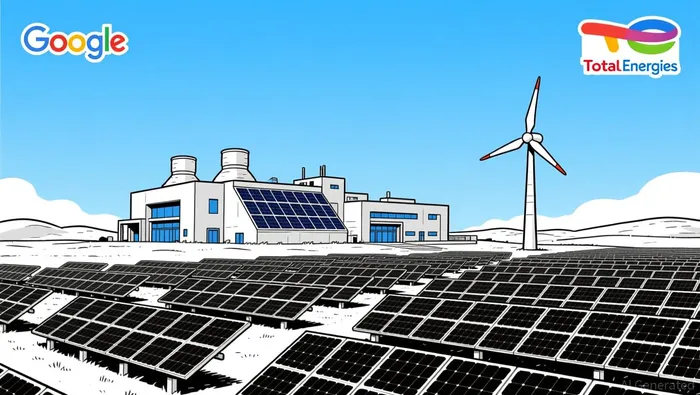
TotalEnergies' collaboration with Google has taken two significant forms: a 21-year PPA in Malaysia and a 15-year agreement in the United States. In Malaysia, the company is developing a 20 MW solar plant in Kedah province, part of the Corporate Green Power Programme (CGPP), which will supply 1 TWh of certified renewable energy to Google's data centers. This project, a joint venture with local partner MK Land, reflects TotalEnergies' ability to navigate regulatory frameworks in emerging markets while addressing the energy needs of tech firms expanding their AI-driven infrastructure according to TotalEnergies.
Simultaneously, in Ohio, TotalEnergies has secured a 15-year PPA to supply 1.5 TWh of renewable electricity from its Montpelier solar farm, directly powering Google's data center operations in the region. This agreement, part of a broader 10 GW U.S. renewable portfolio, aligns with Google's 2030 target of operating on 24×7 carbon-free energy. For TotalEnergies, the deal reinforces its commitment to delivering tailored energy solutions for data centers-a sector that consumed nearly 3% of global energy demand in 2024.
High-Margin Stability and Profitability Targets
The financial implications of these agreements are profound. While specific pricing terms for the Ohio PPA remain undisclosed, TotalEnergies has emphasized that such long-term contracts are critical to achieving its 12% profitability target in the power sector according to company reports. These PPAs provide a predictable revenue stream, shielding the company from the volatility of short-term energy markets and enabling reinvestment in scaling its renewable infrastructure.
Moreover, the Malaysia project exemplifies TotalEnergies' ability to leverage partnerships to de-risk capital expenditures. By co-developing the Citra Energies solar plant with MK Land, the company mitigates upfront costs while securing a steady return over 21 years. This model-combining strategic alliances with long-term contracts- creates a compounding effect, where each project enhances TotalEnergies' credibility and capacity to secure further deals.
Capacity Expansion and Strategic Vision
As of October 2025, TotalEnergies has surpassed 32 GW of installed gross renewable electricity generation capacity, with ambitions to reach 35 GW by year-end and over 100 TWh of net electricity production by 2030 according to company statements. The Ohio solar farm, connected to the PJM grid-the largest in the U.S.-is a cornerstone of this strategy, contributing to a 10 GW U.S. portfolio that includes 1 GW in the PJM market and 4 GW in the ERCOT market according to company data.
These metrics highlight a deliberate shift toward renewable energy as a core growth driver. By aligning with tech giants that prioritize decarbonization, TotalEnergies is not only diversifying its revenue base but also capitalizing on the sector's insatiable appetite for clean energy. Data centers, which are projected to consume an increasing share of global electricity, represent a lucrative and stable market segment for the company.
Broader Implications for the Energy Transition
The TotalEnergies-Google partnerships also signal a broader trend: the convergence of energy and technology in the fight against climate change. As tech companies like Google commit to carbon-free operations, they are effectively becoming major energy consumers and investors in renewable infrastructure. This dynamic creates a symbiotic relationship where energy firms gain access to long-term contracts and tech firms secure their environmental commitments according to industry analysis.
For investors, the strategic value of these partnerships lies in their ability to generate consistent returns while advancing decarbonization goals. TotalEnergies' focus on high-margin, long-duration PPAs with tech giants positions it as a leader in the Integrated Power segment, a critical component of its transition from a traditional oil and gas company to a diversified energy provider.
Conclusion
TotalEnergies' renewable energy partnerships with Google are more than just contractual agreements-they are blueprints for a sustainable energy future. By locking in long-term, high-margin contracts with tech sector leaders, the company is securing its financial resilience and accelerating its transition to a low-carbon business model. As the world grapples with the dual challenges of energy demand and climate change, TotalEnergies' strategic alliances exemplify how innovation and collaboration can drive both profitability and planetary progress.





Comentarios
Aún no hay comentarios