
"Toro's Q1 Sales Miss Expectations, Weighed Down by Material Costs and Promotions"
Generado por agente de IAJulian West
jueves, 6 de marzo de 2025, 9:56 am ET2 min de lectura
TORO--
In the ever-evolving landscape of the outdoor equipment industry, ToroTORO-- Company (NYSE: TTC) has long been a stalwart, known for its innovative solutions and robust market presence. However, the company's recent Q1 performance has left investors with a sense of unease, as material costs and promotional expenses weighed heavily on its sales figures. Let's delve into the specifics of Toro's Q1 performance and explore the strategies the company can implement to mitigate these challenges in future quarters.
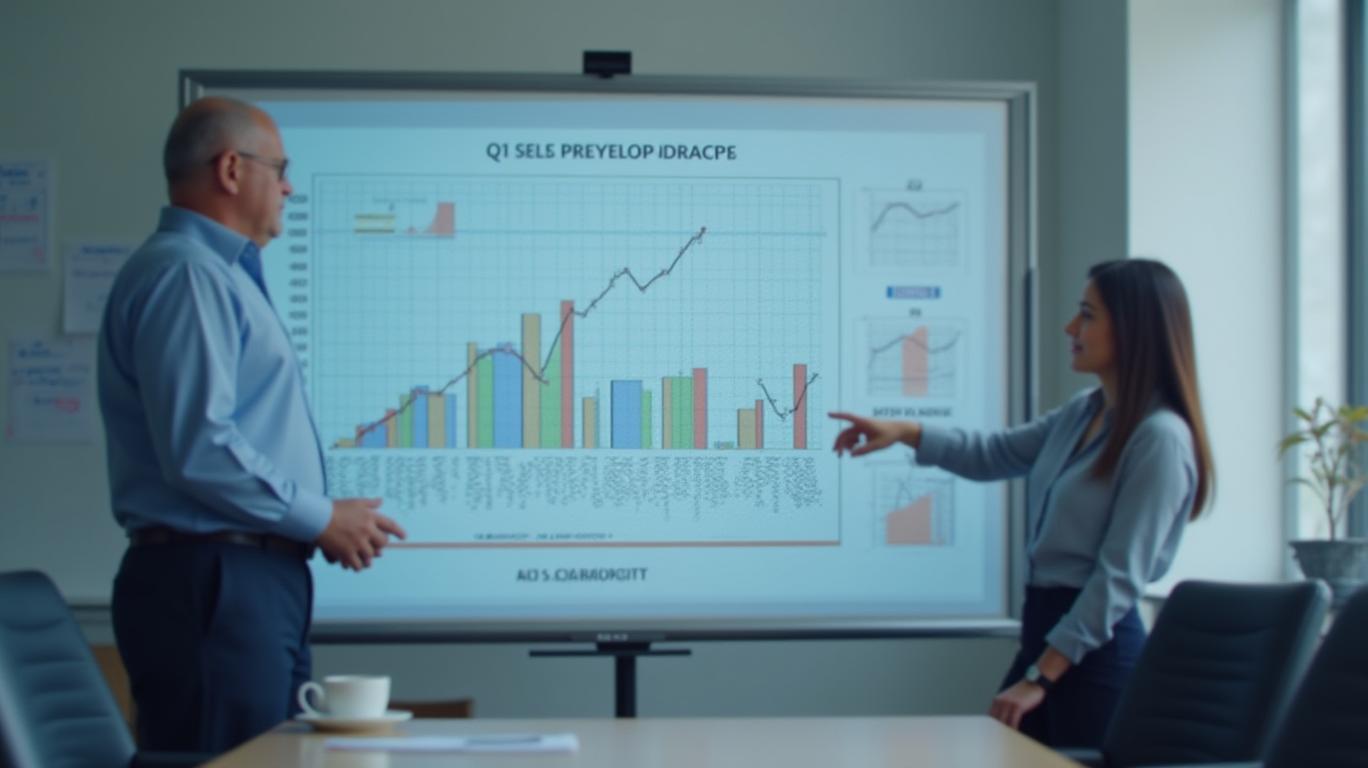
The Q1 Performance: A Closer Look
Toro's Q1 sales performance was marked by a significant increase in material costs and promotional expenses, which collectively dampened the company's ability to meet its sales targets. The company reported fourth-quarter net sales of $1.08 billion, up from $0.98 billion in the same period of fiscal 2023. While this represents a year-over-year increase, it fell short of investor expectations, which were buoyed by the company's strong performance in previous quarters.
The primary culprits behind this underperformance were the escalating material costs and the need to invest heavily in promotional activities to maintain market share. The company's adjusted diluted EPS for the quarter stood at $0.95, compared to $0.71 in the same period of fiscal 2023. This improvement in profitability was largely due to productivity gains and careful expense management, which helped offset the impact of higher material costs and promotional expenses.
Strategies for Mitigation
To address these challenges and ensure better performance in future quarters, Toro can consider the following strategies:
1. Cost Management: Enhancing productivity and carefully controlling expenses is crucial. This could involve negotiating better terms with suppliers, optimizing production processes, and reducing waste. By doing so, Toro can mitigate the impact of rising material costs on its bottom line.
2. Pricing Strategy: Adjusting pricing strategies to reflect the true cost of goods and services is essential. This could involve increasing prices for certain products or services, or offering discounts for bulk purchases. A well-thought-out pricing strategy can help Toro maintain profitability without compromising on market share.
3. Promotional Efficiency: Improving the efficiency of promotional activities is key. This could involve using data analytics to understand customer behavior and preferences, and tailoring promotional activities accordingly. By targeting the right audience and using the most effective channels, Toro can maximize the return on its promotional investments.
4. Product Mix: Diversifying the product mix to include more high-margin products can help Toro offset the impact of rising material costs. This could involve developing new products or services, or discontinuing low-margin products. A balanced product mix can ensure that Toro's revenue streams are resilient to market fluctuations.
5. Inventory Management: Improving inventory management to reduce the risk of excess inventory and obsolescence is crucial. This could involve using demand forecasting tools to predict future demand, and adjusting inventory levels accordingly. Effective inventory management can help Toro optimize its supply chain and reduce costs.
Industry Trends and Competitive Advantages
Toro's Q1 performance also provides insights into the broader trends in the outdoor equipment industry. The industry is dynamic, with varying market conditions affecting different segments. For example, the lack of snowfall last winter affected the snow and ice management market, while the lawn care market in the dealer channel also faced challenges. However, Toro's strong performance in the residential segment and its ability to drive significant production improvements for underground construction equipment and golf and grounds solutions show that the company is well-positioned to capitalize on sustained and strong end market demand for these products.
In conclusion, while Toro's Q1 performance was weighed down by material costs and promotional expenses, the company has the tools and strategies to mitigate these challenges in future quarters. By focusing on cost management, pricing strategy, promotional efficiency, product mix, and inventory management, Toro can enhance its market position and maintain its leadership in the outdoor equipment industry. As investors, it is crucial to stay informed about these developments and make data-driven decisions to maximize returns.
TTC--
In the ever-evolving landscape of the outdoor equipment industry, ToroTORO-- Company (NYSE: TTC) has long been a stalwart, known for its innovative solutions and robust market presence. However, the company's recent Q1 performance has left investors with a sense of unease, as material costs and promotional expenses weighed heavily on its sales figures. Let's delve into the specifics of Toro's Q1 performance and explore the strategies the company can implement to mitigate these challenges in future quarters.
The Q1 Performance: A Closer Look
Toro's Q1 sales performance was marked by a significant increase in material costs and promotional expenses, which collectively dampened the company's ability to meet its sales targets. The company reported fourth-quarter net sales of $1.08 billion, up from $0.98 billion in the same period of fiscal 2023. While this represents a year-over-year increase, it fell short of investor expectations, which were buoyed by the company's strong performance in previous quarters.
The primary culprits behind this underperformance were the escalating material costs and the need to invest heavily in promotional activities to maintain market share. The company's adjusted diluted EPS for the quarter stood at $0.95, compared to $0.71 in the same period of fiscal 2023. This improvement in profitability was largely due to productivity gains and careful expense management, which helped offset the impact of higher material costs and promotional expenses.
Strategies for Mitigation
To address these challenges and ensure better performance in future quarters, Toro can consider the following strategies:
1. Cost Management: Enhancing productivity and carefully controlling expenses is crucial. This could involve negotiating better terms with suppliers, optimizing production processes, and reducing waste. By doing so, Toro can mitigate the impact of rising material costs on its bottom line.
2. Pricing Strategy: Adjusting pricing strategies to reflect the true cost of goods and services is essential. This could involve increasing prices for certain products or services, or offering discounts for bulk purchases. A well-thought-out pricing strategy can help Toro maintain profitability without compromising on market share.
3. Promotional Efficiency: Improving the efficiency of promotional activities is key. This could involve using data analytics to understand customer behavior and preferences, and tailoring promotional activities accordingly. By targeting the right audience and using the most effective channels, Toro can maximize the return on its promotional investments.
4. Product Mix: Diversifying the product mix to include more high-margin products can help Toro offset the impact of rising material costs. This could involve developing new products or services, or discontinuing low-margin products. A balanced product mix can ensure that Toro's revenue streams are resilient to market fluctuations.
5. Inventory Management: Improving inventory management to reduce the risk of excess inventory and obsolescence is crucial. This could involve using demand forecasting tools to predict future demand, and adjusting inventory levels accordingly. Effective inventory management can help Toro optimize its supply chain and reduce costs.
Industry Trends and Competitive Advantages
Toro's Q1 performance also provides insights into the broader trends in the outdoor equipment industry. The industry is dynamic, with varying market conditions affecting different segments. For example, the lack of snowfall last winter affected the snow and ice management market, while the lawn care market in the dealer channel also faced challenges. However, Toro's strong performance in the residential segment and its ability to drive significant production improvements for underground construction equipment and golf and grounds solutions show that the company is well-positioned to capitalize on sustained and strong end market demand for these products.
In conclusion, while Toro's Q1 performance was weighed down by material costs and promotional expenses, the company has the tools and strategies to mitigate these challenges in future quarters. By focusing on cost management, pricing strategy, promotional efficiency, product mix, and inventory management, Toro can enhance its market position and maintain its leadership in the outdoor equipment industry. As investors, it is crucial to stay informed about these developments and make data-driven decisions to maximize returns.

Divulgación editorial y transparencia de la IA: Ainvest News utiliza tecnología avanzada de Modelos de Lenguaje Largo (LLM) para sintetizar y analizar datos de mercado en tiempo real. Para garantizar los más altos estándares de integridad, cada artículo se somete a un riguroso proceso de verificación con participación humana.
Mientras la IA asiste en el procesamiento de datos y la redacción inicial, un miembro editorial profesional de Ainvest revisa, verifica y aprueba de forma independiente todo el contenido para garantizar su precisión y cumplimiento con los estándares editoriales de Ainvest Fintech Inc. Esta supervisión humana está diseñada para mitigar las alucinaciones de la IA y garantizar el contexto financiero.
Advertencia sobre inversiones: Este contenido se proporciona únicamente con fines informativos y no constituye asesoramiento profesional de inversión, legal o financiero. Los mercados conllevan riesgos inherentes. Se recomienda a los usuarios que realicen una investigación independiente o consulten a un asesor financiero certificado antes de tomar cualquier decisión. Ainvest Fintech Inc. se exime de toda responsabilidad por las acciones tomadas con base en esta información. ¿Encontró un error? Reportar un problema


SOBRE NOSOTROS
Nuestra historiaAutores de noticiasBase de conocimientosPolítica de privacidadTérmino de usoDescargo de responsabilidad de corretaje de tercerosTérminos de uso de AIMEDivulgaciones de riesgos de AInvest AICarrerasCONTÁCTENOS
Email: support@ainvest.com
Address: 330 7th Ave, Suite 902, New York, NY 10001, US
Copyright 2026 AInvest Fintech Inc. All rights reserved.


Comentarios
Aún no hay comentarios