
Tokenized Global Stocks in Nigeria: A Paradigm Shift in African Wealth Creation
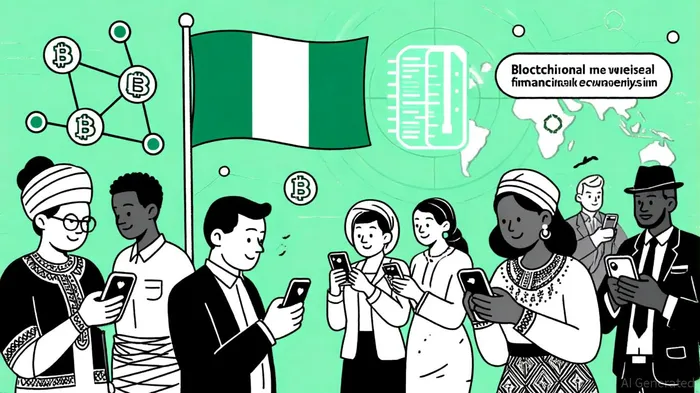
Nigeria's financial landscape is undergoing a transformative shift as tokenized global stocks emerge as a cornerstone of investment accessibility and financial inclusion in emerging markets. By leveraging blockchain technology and progressive regulatory frameworks, Nigeria is positioning itself at the forefront of a global movement to democratize wealth creation. This analysis explores how tokenized stocks are redefining traditional financial paradigms in Africa, with Nigeria serving as a pivotal case study.
Regulatory Innovation: Laying the Groundwork for Tokenization
Nigeria's regulatory environment has evolved rapidly to accommodate digital assets. The Securities and Exchange Commission (SEC) introduced a regulatory sandbox in 2023, explicitly including virtual asset service providers (VASPs) and digital financial service providers (DISPs) [1]. This initiative has enabled firms like VineKross Technologies Ltd and Trovotech Ltd to experiment with real-world asset tokenization, with test periods extending into 2025 [4]. The Investments and Securities Act of 2024 further solidified this progress by formally recognizing digital assets as securities and imposing licensing requirements on Virtual Asset Service Providers (VASPs) and Digital AssetDAAQ-- Service Providers (DASPs) [2]. These developments signal a deliberate effort to integrate blockchain-based innovations into Nigeria's financial infrastructure while balancing innovation with investor protection.
Tokenized Stocks: Breaking Barriers to Global Investment
Tokenized stocks represent a digital transformation of traditional equities, enabling 24/7 trading, fractional ownership, and reduced transaction costs [3]. In Nigeria, platforms like Luno have capitalized on this trend, expanding their tokenized stock offerings to the country after achieving over 10,000 users in South Africa within a month of launch [4]. This model bypasses traditional barriers such as high minimum investments and complex cross-border processes, allowing Nigerian investors to access global equities with unprecedented ease. For instance, a retail investor in Lagos can now purchase fractional shares of multinational corporations like AppleAAPL-- or TeslaRACE--, which were previously inaccessible due to liquidity and capital constraints.
The adoption of tokenized stocks aligns with Nigeria's broader digital finance ecosystem. The country's 35% crypto adoption rate among adults—among the highest in emerging markets [1]—demonstrates a population primed for digital financial tools. Furthermore, the reversal of Nigeria's crypto banking ban in 2024 led to a 47% surge in monthly trading volumes on licensed exchanges [1], underscoring the pent-up demand for accessible investment solutions.
Financial Inclusion and Economic Empowerment
Tokenized global stocks are not merely a technological innovation but a vehicle for financial inclusion. Nigeria's fintech sector, which includes unicorns like Moniepoint, has already demonstrated the power of digital tools to expand access to financial services [1]. By extending this model to global equities, tokenization empowers a broader demographic to participate in wealth creation. For example, fractional ownership lowers the entry barrier for young professionals, small business owners, and students, who can now allocate savings to diversified global portfolios rather than being confined to domestic markets or volatile fiat currencies.
This shift is particularly significant in a country where inflation and currency depreciation have historically eroded purchasing power. Tokenized stocks offer an alternative to traditional savings mechanisms, allowing investors to hedge against macroeconomic risks while benefiting from global market growth. As stated by the Milken Institute, Nigeria's fintech-driven digital finance initiatives are modernizing its infrastructure and fostering a culture of investment literacy [3].
Challenges and the Path Forward
While Nigeria's progress is commendable, challenges remain. The regulatory framework for tokenized international equities is still evolving, with specific guidelines pending [5]. Additionally, investor education and cybersecurity measures must be prioritized to ensure sustainable adoption. However, Nigeria's participation in regional blockchain initiatives and its alignment with global regulatory trends suggest a trajectory toward resolving these hurdles.
Conclusion
Tokenized global stocks are catalyzing a paradigm shift in African wealth creation, with Nigeria leading the charge. By harmonizing regulatory innovation with technological adoption, the country is dismantling traditional financial barriers and empowering a new generation of investors. As platforms like Luno expand their reach and the SEC refines its digital asset framework, Nigeria's role as a regional hub for financial inclusion will only strengthen. For investors and policymakers alike, the Nigerian model offers a blueprint for leveraging blockchain to democratize access to global markets—a testament to the transformative power of digital finance in emerging economies.







Comentarios
Aún no hay comentarios