
The Tokenization Revolution: Preparing for a New Era of Asset Liquidity
The financial landscape is on the cusp of a seismic shift, driven by the tokenization of assets and the integration of blockchain technology into core infrastructure. As institutional players and regulators align to redefine the rules of digital finance, strategic investors must navigate this evolving terrain with precision. The convergence of regulatory clarity, technological innovation, and macroeconomic demand is creating a fertile ground for blockchain-enabled financial infrastructure to mature-from tokenized equities to AI-driven settlement systems.
Regulatory Clarity: The Catalyst for Institutional Adoption
The U.S. and EU have emerged as pivotal forces in shaping the regulatory environment for blockchain-based finance. The passage of the GENIUS Act in the U.S. and the Markets in Crypto-Assets (MiCA) regulation in the EU has provided a framework that balances innovation with investor protection. These developments are critical for institutional adoption, as they reduce legal ambiguity around tokenized assets such as equity securities and exchange-traded products. For example, major asset managers are now exploring tokenization to streamline cross-border settlements and enhance liquidity in traditionally illiquid markets.
Stablecoins: The New Pillar of Global Payments
Stablecoins are no longer niche instruments; they are foundational infrastructure for modern finance. By September 2025, the stablecoin market had surged to $300 billion in total capitalization, a 75% increase from the previous year. Platforms like TetherUSDT-- (USDT), CircleCRCL-- (USDC), and EthenaENA-- (USDe) are facilitating B2B and B2C transactions in regions with underdeveloped banking systems, effectively bypassing legacy friction. For investors, this signals a shift in capital allocation: stablecoins are not just speculative assets but tools for liquidity management and global trade.
Institutional Demand for Digital Assets: A Paradigm Shift
Bitcoin's resurgence as a strategic asset underscores a broader institutional reorientation. According to a report by SSGA, 94% of institutional investors now view blockchain technology as a long-term value driver, with BitcoinBTC-- increasingly treated as a hedge against inflation and a diversification tool. This trend is mirrored in the tokenization of real-world assets (RWAs), where real estate, infrastructure, and even deposits are being digitized to unlock liquidity. Financial services firms are piloting tokenized bonds and securitized loans, leveraging blockchain's transparency and programmability to reduce counterparty risk.
AI and Blockchain: The Next Frontier of Financial Automation
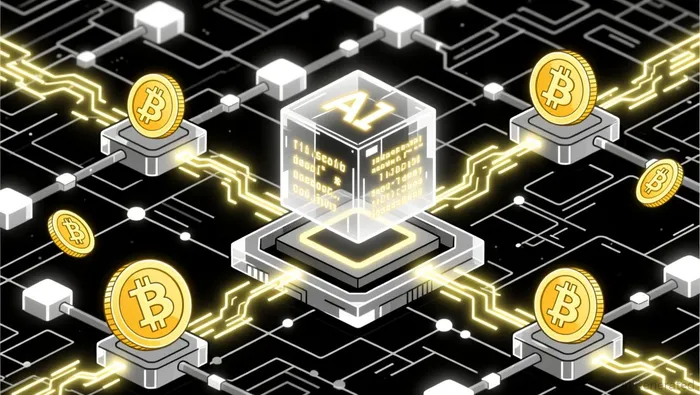
The integration of artificial intelligence (AI) with blockchain is accelerating operational efficiency. AI-powered agents are now automating tasks such as yield optimization, risk assessment, and compliance monitoring on decentralized finance (DeFi) platforms. This synergy is particularly transformative for tokenized asset management, where smart contracts and machine learning models can dynamically adjust portfolios based on real-time market data. However, this convergence also raises regulatory challenges, particularly around algorithmic transparency and accountability.
Strategic Positioning for Investors
For investors seeking to capitalize on this revolution, the focus must shift from speculative bets to infrastructure-grade assets. Key areas include:
1. Regulatory-Compliant Platforms: Prioritize blockchain protocols aligned with MiCA and the GENIUS Act, which are likely to dominate institutional-grade tokenization.
2. Stablecoin Ecosystems: Allocate capital to stablecoin issuers with robust collateralization and global transactional utility.
3. AI-Integrated Blockchain Solutions: Target firms developing hybrid systems that combine AI analytics with blockchain's immutable ledger capabilities.
4. Tokenized Real-World Assets: Invest in platforms tokenizing infrastructure, real estate, and commodities, which offer tangible diversification benefits.
The tokenization revolution is not a distant future-it is here. As blockchain transitions from experimental to essential infrastructure, strategic investors who align with these trends will position themselves at the forefront of a new era in asset liquidity.





Comentarios
Aún no hay comentarios