
A Well-Timed Maduro Bet on Polymarket Paid Out Big. A Planned Bill Would Keep Government Insiders Out.
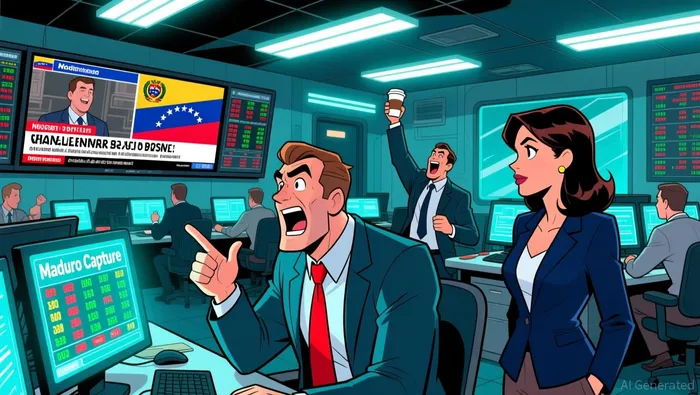
A Polymarket trader made a $30,000 investment that turned into $436,759.61 within 24 hours. The bet was placed just before U.S. forces captured Venezuelan President Nicolás Maduro. The timing of the trade raised questions about how the trader obtained such precise information according to reports.
The sudden surge in market activity suggested a shift in expectations. The prediction market question 'Maduro in U.S. custody by January 31?' saw increased interest before the operation was announced. Prices climbed sharply as the likelihood of capture rose.
Reactions from lawmakers and market participants followed quickly. Concerns about insider trading were voiced on social media and in financial commentary. Rep. Ritchie Torres (D-N.Y.) plans to introduce a bill to address this issue.
Why Did This Happen?
The trader’s success came down to timing. The Polymarket account was newly created, and the bet was placed hours before the public announcement. The profit of over $400,000 drew scrutiny from observers who questioned how the trader knew so much so soon.
Insider trading in prediction markets is a known phenomenon. Some argue it incentivizes the release of information. Others see it as unfair and potentially illegal, especially when government insiders are involved according to analysts.
The market reaction showed how quickly sentiment can shift. The implied probability of Maduro’s capture went from single digits to nearly 100% overnight. This kind of rapid movement is unusual for such high-stakes events.
What Are the Implications of the Proposed Bill?
Rep. Torres’ legislation would prohibit government officials from trading in prediction markets. The bill, titled the Public Integrity in Financial Prediction Markets Act of 2026, would extend insider trading rules to political outcomes according to industry sources.
The bill mirrors the STOCK Act principles. It would apply to any prediction market engaged in interstate commerce. This would cover platforms like Polymarket and Kalshi.
The new rules would prevent elected officials from trading when they have nonpublic information. This includes political appointees and executive branch employees. The goal is to prevent unfair advantages in markets tied to government actions.
How Do Prediction Market Platforms Respond?
Kalshi has rules against trading with material nonpublic information. The platform’s rulebook bars decision-makers from betting on events they influence. This suggests the company already considers insider trading a problem.
Polymarket does not have such rules in place. The company’s CEO has even argued that insider trading on prediction markets can be beneficial. This has led to calls for greater oversight and regulation according to reports.
Industry observers are watching for broader implications. The recent bet has sparked debate about how much control should be placed on prediction markets. Some see the platforms as tools for forecasting; others see them as tools for exploitation according to market analysts.







Comentarios
Aún no hay comentarios