
Tilray Beverages: Brewing Growth Through Seasonal Craft Innovation and Strategic Expansion
In the evolving landscape of the U.S. alcoholic beverage sector, TilrayTLRY-- Beverages has emerged as a strategic innovator, leveraging seasonal craft brewing to solidify its market position and drive long-term growth. With a dual focus on product diversification and operational efficiency, the company's recent moves—spanning acquisitions, seasonal launches, and cost optimization—position it as a compelling player in a competitive industry.
Strategic Expansion and Product Innovation
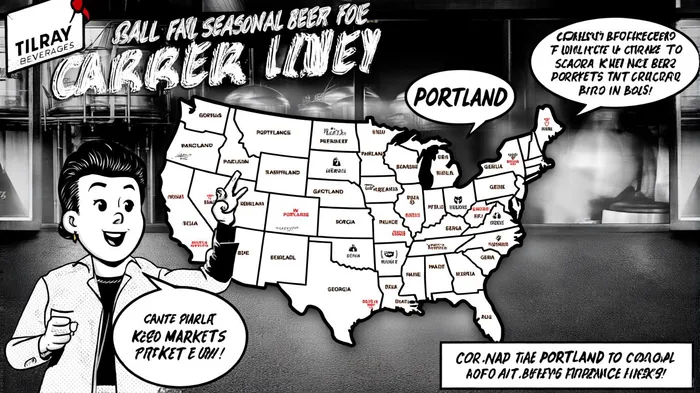
Tilray's craft beer segment has been a cornerstone of its growth strategy, bolstered by the acquisition of regional powerhouses like Hop Valley, Terrapin, Revolver, and Atwater breweries from Molson Coors[1]. These acquisitions have not only expanded its portfolio but also established market leadership in key regions such as Portland and Georgia. The company's seasonal offerings, including Oktoberfest-inspired brews like Bloktober Fest and Okto Festive Ale, reflect a nuanced understanding of consumer demand for localized, culturally resonant products[2]. By aligning seasonal releases with cultural traditions while adding a local twist, Tilray enhances brand engagement and taps into the craft beer industry's enduring appeal to experience-driven consumers.
This approach has paid dividends: Tilray now ranks #4 on the Brewers Association's list of top 50 U.S. craft breweries by sales volume[3], a rise from its previous #5 position. Such momentum underscores the effectiveness of its strategy to blend heritage brewing techniques with modern innovation.
Financial Performance and Market Positioning
Financial data from Q2 2025 highlights Tilray's resilience and growth potential. Beverage alcohol net revenue surged 36% year-over-year to $63 million, driven by strategic acquisitions and SKU rationalization efforts[4]. For fiscal 2025, the craft beer segment generated $253.18 million in revenue, accounting for 27.65% of the company's total revenue[5]. While gross margins dipped to 39% in FY 2025 from 44% the prior year, this reflects the challenges of integrating acquired brands—a hurdle the company is actively addressing through its "Project 420" initiative[6].
Project 420, aimed at streamlining operations and reducing costs, has already delivered $24 million in annualized savings toward a $33 million target[7]. These efficiencies, coupled with a focus on high-growth SKUs, are expected to restore margin health and unlock long-term profitability.
Navigating Industry Challenges
The U.S. craft beer market remains a mixed playing field. While the Brewers Association reported a 4.1% volume decline in the first half of 2025[8], consumer interest in craft beer persists, with 9.8% of legal drinking-age adults having consumed it in the past 30 days as of 2024[9]. Tilray's expansion into non-beer categories—such as RTD cocktails and hard seltzers—mirrors industry trends aimed at stabilizing revenue streams[10].
Moreover, the company's distribution network for hemp-derived Delta-9 (HD-D9) THC drinks positions it to capitalize on the nascent cannabis beverage market, with operations in 13 U.S. states and 1,300 distribution points[11]. This diversification into adjacent categories not only mitigates risks from beer market volatility but also aligns with shifting consumer preferences toward functional and wellness-oriented beverages.
Long-Term Growth Potential
Tilray's strategic positioning suggests robust long-term potential. Its national distribution network, combined with a portfolio of established regional brands, provides a scalable foundation for entering emerging markets. The company's focus on seasonal innovation—such as fall releases that drive short-term sales while reinforcing brand loyalty—ensures a steady pipeline of consumer engagement.
However, challenges remain. The craft beer sector's ongoing consolidation, marked by a 1% decline in operating breweries year-over-year[12], necessitates continued operational discipline. Tilray's ability to balance cost optimization with brand investment will be critical. Additionally, regulatory uncertainties in the cannabis beverage space could impact its HD-D9 THC offerings, though the company's existing infrastructure provides a competitive edge.
Conclusion
Tilray Beverages' strategic expansion into seasonal craft brewing, underpinned by acquisitions, product innovation, and operational efficiency, positions it as a formidable player in the alcoholic beverage sector. While macroeconomic and industry-specific headwinds persist, the company's diversified portfolio, strong brand equity, and forward-looking initiatives like Project 420 suggest a resilient path to growth. For investors, Tilray's dual focus on traditional craft beer and emerging cannabis-infused beverages offers a compelling case for long-term value creation.







Comentarios
Aún no hay comentarios