
TikTok's June 19 Deadline: A Geopolitical Tightrope with Billion-Dollar Stakes
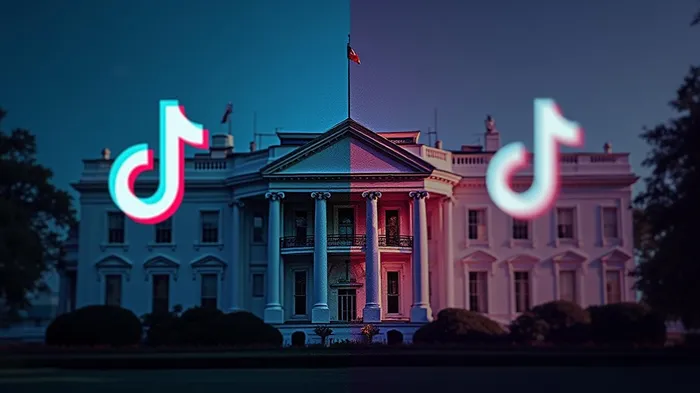
The deadline for a U.S.-China TikTok deal has been extended to June 19, 2025, a move that reflects President Trump’s calculated gamble to balance national security, political capital, and economic leverage. As negotiations between TikTok’s Chinese parent company ByteDance and potential U.S. buyers like OracleORCL-- and Amazon drag on, the clock is ticking—and so are the risks for investors.
The Political Calculus
Trump’s decision to push the deadline from January 19 to June 19 is less about resolving the TikTok dispute than it is about leveraging the issue in broader U.S.-China trade negotiations. The president has framed the extension as a way to “protect” TikTok’s role in his 2024 election victory, where the app’s algorithm helped him win over younger voters. But Democrats have raised legal concerns, arguing that further delays require congressional approval to ensure strict terms for U.S. ownership and data control.
This political tightrope has real-world consequences. If no deal is reached by June 19, Trump has signaled he’ll extend the deadline again—though Democrats may block such a move, risking a ban on TikTok’s operations in the U.S.
The Business Battlefield
The stakes for investors hinge on whether ByteDance can divest its U.S. TikTok assets to a majority-American-owned entity. Potential buyers like Oracle (ORCL) and Amazon (AMZN) are circling, but ByteDance has refused to surrender control of its core algorithm, a critical competitive advantage.
Oracle’s shares have surged 60% since 2020, partly fueled by optimism about its role in a TikTok deal. But if negotiations stall, Oracle’s valuation could drop as the company faces diminished prospects for acquiring TikTok’s user base and technology.
Meanwhile, the tariff war looms large. U.S. tariffs on Chinese goods reached 145% by late 2024, a punitive measure that Beijing has retaliated against. These tariffs are a key bargaining chip for Trump, who refuses to lower them to facilitate a TikTok deal.
Trade between the two nations has plummeted to 65% of 2019 levels, with tech sectors like semiconductors and software bearing the brunt. A TikTok deal could ease tensions, but only if both sides compromise—a big “if.”
The Data Dilemma
TikTok’s user base is a key variable. The app’s 150 million U.S. users skew heavily toward younger demographics, with 68% aged 18–34.
This audience is vital for advertisers, who spent $12 billion on TikTok in 2024—a figure that could evaporate if the app is banned. Investors in ad-driven stocks like Meta (META) or Alphabet (GOOGL) might see a windfall if users flee to rival platforms, but that’s a risky bet given TikTok’s cultural grip.
The Bottom Line: A High-Risk Gamble
Investors face a binary outcome. If a deal is reached by June 19:
- Winners: Oracle (ORCL), Amazon (AMZN), and U.S. tech stocks benefiting from reduced trade tensions.
- Losers: ByteDance (which must cede control) and China’s tech sector.
If negotiations fail:
- Winners: Short-sellers betting against TikTok’s advertisers and U.S.-China trade-sensitive stocks.
- Losers: TikTok’s parent company, U.S. advertisers, and investors in global supply chains.
The most critical data point isn’t a stock price or tariff rate—it’s the timeline for Beijing’s approval. Chinese regulators have shown reluctance to greenlight deals that weaken national tech champions, even under U.S. pressure. With only six months left, the odds of a last-minute compromise are roughly 50-50, according to analysts.
Final Analysis: Proceed with Caution
Investors should treat this as a geopolitical event first, and a business deal second. The U.S. and China are using TikTok as a pawn in a larger game. Even if a deal is struck, tariffs and regulatory hurdles will persist, limiting upside for most stocks.
For now, the wisest move is to stay nimble: monitor the June 19 deadline closely, but keep allocations to TikTok-related plays under 5% of a portfolio. As Trump’s own volatility shows, this is a game where the rules—and the stakes—can change overnight.





Comentarios
Aún no hay comentarios