
The TikTok Financial Trap: Why Gen Z’s Money Moves Are Risky—and How to Navigate Them
The rise of TikTok has democratized financial advice, but with a dangerous twist. As Gen Z turns to the app for guidance, they’re increasingly exposed to oversimplified, risky, or outright fraudulent strategies. From crypto get-rich-quick schemes to “lazy hustle” myths, these trends ignore financial realities. Let’s dissect the worst advice—and what to do instead.
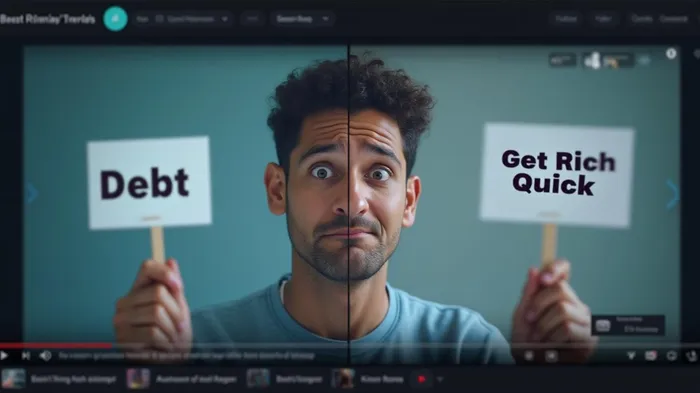
The Worst Financial Advice: A Minefield of Misinformation
1. “Passive Income” Schemes: The Lazy Hustle Mirage
TikTok creators like @maddyglynn_ claim to earn $100K monthly with minimal effort, touting property rentals or AI-driven content. Reality? These ventures require capital, expertise, and relentless work. The #sidehustle hashtag’s 2.6M posts amplify this myth, while most users face competition and financial disappointment.
2. Crypto’s Volatility as a Shortcut
With 55% of Gen Z investing in crypto (FINRA), influencers push speculative coins as “guaranteed riches.” Yet Bitcoin’s price fluctuations over the past five years reveal extreme volatility—peaking at $68,000 in 2021 before plummeting to $20,000 by late 2022. This isn’t wealth-building—it’s gambling.
3. Manifestation Magic: Blaming Yourself for Poverty
Accounts like @divineraventarot suggest money spells or affirmations can “attract wealth.” No evidence supports this—only psychological harm. Users who “fail” these rituals internalize blame, neglecting practical steps like budgeting or investing.
4. The FIRE Movement’s False Promises
The “Financial Independence, Retire Early” trend urges saving 70% of income. But Gen Z is told this is achievable without sacrificing quality of life—a lie. Missing workplace pensions (a common TikTok tip) sacrifices long-term retirement security.
5. Credit Card “Hacks” Without Disclaimers
Unqualified creators promote credit card sign-up bonuses or balance transfers. Yet 85.5% omit disclaimers about interest rates, fees, or fraud risks. The average U.S./UK credit card user carries $6,000 in debt, with poor management skills exacerbating this.
What to Do Instead: Grounded Strategies for Real Wealth
1. Focus on Sustainable Income Streams
Skip the “lazy” hustle and build skills in high-demand fields like tech, healthcare, or renewable energy. A 2025 McKinsey report highlights that automation-resistant jobs will grow by 12% by 2030—prioritize education and certifications.
2. Diversify Investments with Discipline
Avoid crypto fads. Instead, invest in low-cost index funds (e.g., S&P 500 ETFs like SPY) or dividend-paying stocks. Historically, the S&P 500 has averaged 10% annual returns over 20+ years—far outperforming crypto’s volatility.
3. Master Budgeting and Credit Management
Use apps like Mint or YNAB to track expenses. Pay credit card balances in full monthly to avoid interest. For debt, consider balance transfer cards with 0% APR periods—always read terms carefully.
4. Seek Professional Guidance
Consult CFP-certified advisors for retirement planning. For tax questions, work with licensed CPAs—avoid S Corp loopholes that risk audits.
5. Embrace Long-Term Financial Habits
Save 15–20% of income for retirement. Automate contributions to 401(k)s or IRAs. Resist “quick money” scams; remember, if an opportunity seems too good to be true, it probably is.
Conclusion: The TikTok Trap Isn’t Unavoidable
The platform’s allure of instant wealth has Gen Z chasing myths that risk their financial futures. Only 14.5% of TikTok creators use disclaimers, and 84.87% lack basic warnings—a stark contrast to regulated financial advisors. The consequences are clear: 60% of U.S./UK users carry credit card debt, while 55% of Gen Z crypto investors face volatile losses.
To avoid this trap, prioritize education over engagement. Cross-check TikTok trends with verified sources like FINRA’s investor education tools or SEC disclosures. Remember: lasting wealth requires discipline, patience, and avoiding shortcuts. As the saying goes, “The best time to plant a tree was 20 years ago; the second-best time is now.” Apply that mindset to your finances—and skip the TikTok fairy tales.
The data speaks for itself: long-term, diversified investing outperforms short-term crypto gambles. Choose wisely.






Comentarios
Aún no hay comentarios