
TikTok Deal in Limbo: China's Rejection Over Tariffs Threatens U.S. Tech Ambitions
Generado por agente de IAHarrison Brooks
viernes, 4 de abril de 2025, 5:12 pm ET2 min de lectura
ORCL--
The saga of TikTok's potential acquisition by U.S. investors has taken a dramatic turn, as China's apparent rejection of the deal over tariff disputes threatens to derail the entire process. The popular social media app, owned by ByteDance, has been under intense scrutiny from the U.S. government over national security concerns, particularly regarding data privacy and algorithm manipulation. The proposed deal, which involves leasing TikTok's algorithm to a new U.S. entity led by OracleORCL--, was seen as a potential solution to these issues. However, China's reluctance to approve the deal due to ongoing tariff disputes has thrown a wrench into the works.
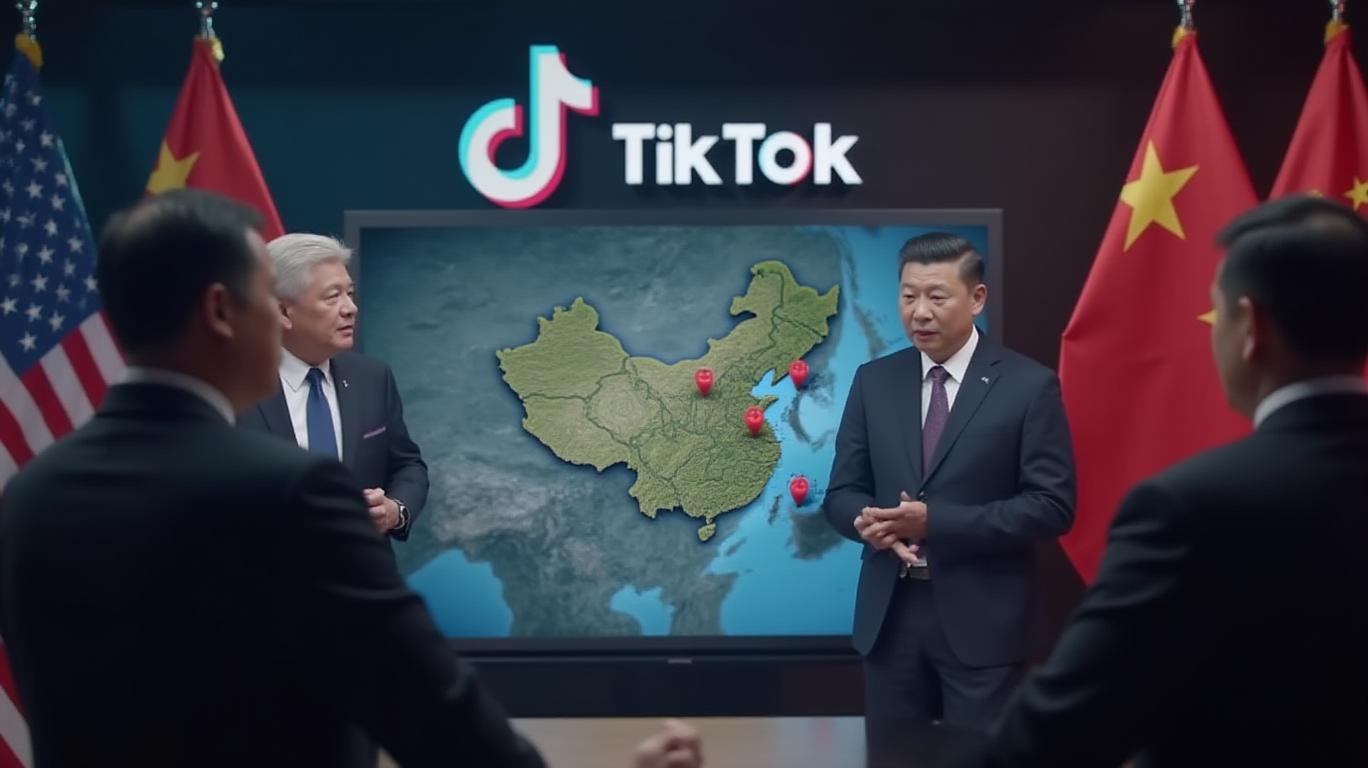
The Trump administration has been clear about its willingness to offer tariff relief as part of the negotiation process, using the TikTok deal as a bargaining chip in the broader trade negotiations with China. President Trump has stated that the tariffs give the U.S. "great power to negotiate," and he has hinted at the possibility of reducing tariffs in exchange for China's approval of the TikTok deal. However, China's stance on the matter remains firm, with reports indicating that the country is unlikely to approve the deal unless the U.S. makes significant concessions on tariffs.
The potential rejection of the TikTok deal by China could have far-reaching implications for U.S.-China trade relations, particularly in the context of the ongoing tariff disputes. The U.S. has already imposed a 34% tariff on Chinese goods, and any further escalation of tensions could lead to retaliatory measures from both sides. This would exacerbate the already strained trade relations between the two countries and could lead to a more hostile economic environment.
For Oracle and other U.S. investors involved in the TikTok acquisition, the potential failure of the deal could have significant financial and strategic implications. Oracle, which has been providing backend technical support for TikTok, would lose out on the potential revenue and strategic advantages that come with owning a significant stake in the app. The failure of the deal could also impact Oracle's position in the tech industry, as it would miss out on the opportunity to gain a foothold in the highly competitive social media market.
The strategic implications for the U.S. government and its relationship with China could also be significant. The deal was seen as a way to address national security concerns while allowing TikTok to continue operating in the U.S. A failed deal could escalate tensions between the U.S. and China, potentially leading to further trade restrictions or other retaliatory measures.
The TikTok saga is a stark reminder of the complex interplay between technology, national security, and geopolitics. As the U.S. and China continue to grapple with these issues, the future of TikTok and other foreign-owned tech companies remains uncertain. The potential rejection of the TikTok deal by China over tariff disputes is just the latest chapter in this ongoing drama, and it remains to be seen how the story will unfold.
In conclusion, the potential rejection of the TikTok deal by China over tariff disputes is a significant development that could have far-reaching implications for U.S.-China trade relations and the tech industry. The failure of the deal would not only have financial and strategic implications for Oracle and other U.S. investors but also escalate tensions between the two countries. As the saga of TikTok continues to unfold, it serves as a reminder of the complex interplay between technology, national security, and geopolitics, and the need for a nuanced approach to these issues.
The saga of TikTok's potential acquisition by U.S. investors has taken a dramatic turn, as China's apparent rejection of the deal over tariff disputes threatens to derail the entire process. The popular social media app, owned by ByteDance, has been under intense scrutiny from the U.S. government over national security concerns, particularly regarding data privacy and algorithm manipulation. The proposed deal, which involves leasing TikTok's algorithm to a new U.S. entity led by OracleORCL--, was seen as a potential solution to these issues. However, China's reluctance to approve the deal due to ongoing tariff disputes has thrown a wrench into the works.
The Trump administration has been clear about its willingness to offer tariff relief as part of the negotiation process, using the TikTok deal as a bargaining chip in the broader trade negotiations with China. President Trump has stated that the tariffs give the U.S. "great power to negotiate," and he has hinted at the possibility of reducing tariffs in exchange for China's approval of the TikTok deal. However, China's stance on the matter remains firm, with reports indicating that the country is unlikely to approve the deal unless the U.S. makes significant concessions on tariffs.
The potential rejection of the TikTok deal by China could have far-reaching implications for U.S.-China trade relations, particularly in the context of the ongoing tariff disputes. The U.S. has already imposed a 34% tariff on Chinese goods, and any further escalation of tensions could lead to retaliatory measures from both sides. This would exacerbate the already strained trade relations between the two countries and could lead to a more hostile economic environment.
For Oracle and other U.S. investors involved in the TikTok acquisition, the potential failure of the deal could have significant financial and strategic implications. Oracle, which has been providing backend technical support for TikTok, would lose out on the potential revenue and strategic advantages that come with owning a significant stake in the app. The failure of the deal could also impact Oracle's position in the tech industry, as it would miss out on the opportunity to gain a foothold in the highly competitive social media market.
The strategic implications for the U.S. government and its relationship with China could also be significant. The deal was seen as a way to address national security concerns while allowing TikTok to continue operating in the U.S. A failed deal could escalate tensions between the U.S. and China, potentially leading to further trade restrictions or other retaliatory measures.
The TikTok saga is a stark reminder of the complex interplay between technology, national security, and geopolitics. As the U.S. and China continue to grapple with these issues, the future of TikTok and other foreign-owned tech companies remains uncertain. The potential rejection of the TikTok deal by China over tariff disputes is just the latest chapter in this ongoing drama, and it remains to be seen how the story will unfold.
In conclusion, the potential rejection of the TikTok deal by China over tariff disputes is a significant development that could have far-reaching implications for U.S.-China trade relations and the tech industry. The failure of the deal would not only have financial and strategic implications for Oracle and other U.S. investors but also escalate tensions between the two countries. As the saga of TikTok continues to unfold, it serves as a reminder of the complex interplay between technology, national security, and geopolitics, and the need for a nuanced approach to these issues.

Divulgación editorial y transparencia de la IA: Ainvest News utiliza tecnología avanzada de Modelos de Lenguaje Largo (LLM) para sintetizar y analizar datos de mercado en tiempo real. Para garantizar los más altos estándares de integridad, cada artículo se somete a un riguroso proceso de verificación con participación humana.
Mientras la IA asiste en el procesamiento de datos y la redacción inicial, un miembro editorial profesional de Ainvest revisa, verifica y aprueba de forma independiente todo el contenido para garantizar su precisión y cumplimiento con los estándares editoriales de Ainvest Fintech Inc. Esta supervisión humana está diseñada para mitigar las alucinaciones de la IA y garantizar el contexto financiero.
Advertencia sobre inversiones: Este contenido se proporciona únicamente con fines informativos y no constituye asesoramiento profesional de inversión, legal o financiero. Los mercados conllevan riesgos inherentes. Se recomienda a los usuarios que realicen una investigación independiente o consulten a un asesor financiero certificado antes de tomar cualquier decisión. Ainvest Fintech Inc. se exime de toda responsabilidad por las acciones tomadas con base en esta información. ¿Encontró un error? Reportar un problema


SOBRE NOSOTROS
Nuestra historiaAutores de noticiasBase de conocimientosPolítica de privacidadTérmino de usoDescargo de responsabilidad de corretaje de tercerosTérminos de uso de AIMEDivulgaciones de riesgos de AInvest AICarrerasCONTÁCTENOS
Email: support@ainvest.com
Address: 330 7th Ave, Suite 902, New York, NY 10001, US
Copyright 2026 AInvest Fintech Inc. All rights reserved.


Comentarios
Aún no hay comentarios