
Theatrical Cinema's Resilience in a Streaming-Dominated Era: How Niche-Audience Films Outperform Expectations
The streaming era has rewritten the rules of media consumption, yet theatrical cinema remains a potent engine for profitability-particularly for niche-audience-driven films. The recent case of Five Nights at Freddy's 2 (2025) exemplifies this phenomenon, defying critical backlash to dominate the post-Thanksgiving box office. This analysis unpacks how fan-centric films exploit theatrical exclusivity to unlock value in a fragmented media landscape, offering investors a roadmap to capitalize on the untapped potential of event-driven cinema.
The Five Nights at Freddy's 2 Paradox: Critical Failure, Box Office Triumph
Five Nights at Freddy's 2 opened to $63 million in the U.S. and Canada over the post-Thanksgiving weekend-the largest December horror debut ever recorded and the second-largest horror opening of 2025, trailing only . Despite a dismal 12% critics' score on Rotten Tomatoes, the film earned an 80% positive audience rating on PostTrak, underscoring a stark disconnect between critical and fan-driven reception.
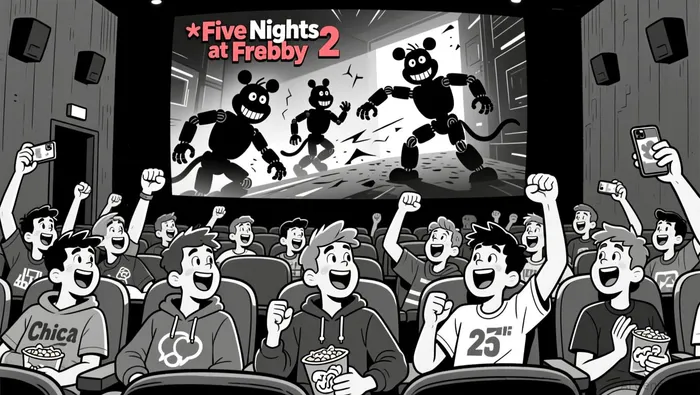
The film's success hinged on its ability to mobilize a hyper-focused demographic: 77% of attendees were under 25, and 55% were male. This core fanbase, deeply invested in the Five Nights at Freddy's franchise, prioritized communal viewing experiences over critical consensus. The result? A global haul of $109 million, with strong international performance in markets like Mexico ($6.9 million) and Brazil ($3.2 million)-according to data.
The Strategic Value of Theatrical Exclusivity for Niche Audiences
The Five Nights sequel's performance aligns with broader industry trends: films targeting niche audiences are increasingly leveraging theatrical exclusivity to amplify cultural momentum before transitioning to streaming. Data from Stephen Follows reveals that mid-length theatrical windows (26–45 days) optimize profitability by balancing box office revenue with streaming viewership. Theatrical releases generate buzz that translates to higher streaming engagement later-a hybrid model that outperforms both traditional long windows and direct-to-streaming releases.
For fan-centric films, theatrical exclusivity acts as a "launchpad." By creating event-like scarcity, studios incentivize core fans to see films in theaters, fostering word-of-mouth virality. This strategy is particularly effective for franchises with pre-existing loyalty, as seen with Five Nights at Freddy's 2's 3,412-theater wide release. Even in an era of shrinking theatrical windows, event-driven films-such as anime screenings or concert films-continue to draw specialized audiences, proving that niche markets can sustain theatrical demand.
Why Investors Should Double Down on Fan-Centric Theatrical Strategies
The Five Nights at Freddy's 2 case study highlights three investment-grade insights:
1. Audience Loyalty Trumps Critical Consensus: Franchise-driven films with passionate fanbases can thrive despite poor critical reception, as demonstrated by the $63 million opening.
2. Theatrical Windows as Marketing Tools: Short-to-mid theatrical runs (30–45 days) maximize cultural visibility while preserving streaming value-a formula validated by 2023–2025 industry data.
3. Premium Formats as Profit Levers: Event films benefit from immersive formats like IMAX and 4DX, which command premium pricing and enhance the theatrical experience.
Investors should prioritize studios and distributors that master these dynamics. Franchise extensions, IP-driven horror, and anime/event cinema represent high-margin opportunities where theatrical exclusivity remains a strategic asset.
Conclusion: Theaters as Platforms for Niche-Centric Monetization
The streaming revolution has not rendered theaters obsolete-it has simply redefined their role. In a world of infinite content, theatrical exclusivity creates scarcity, and niche audiences are willing to pay a premium for it. Five Nights at Freddy's 2 proves that profitability lies not in universal appeal, but in the ability to activate hyper-focused communities. For investors, the lesson is clear: the future of cinema belongs to those who can turn niche into profit.







Comentarios
Aún no hay comentarios