
Thames Water's £5bn Rescue Plan: Can Regulatory Risks Be Drowned Out?
The Thames Water crisis has reached a critical juncture. The utility's £20 billion debt mountain and chronic environmental failures have sparked a high-stakes creditor-led rescue plan. But can this £5bn restructuring—built on debt write-offs and regulatory concessions—address Ofwat's deep-seated concerns about debt sustainability and environmental compliance? And will it deliver the investment-grade credit metrics needed to avoid a government takeover? Let's dive into the details.
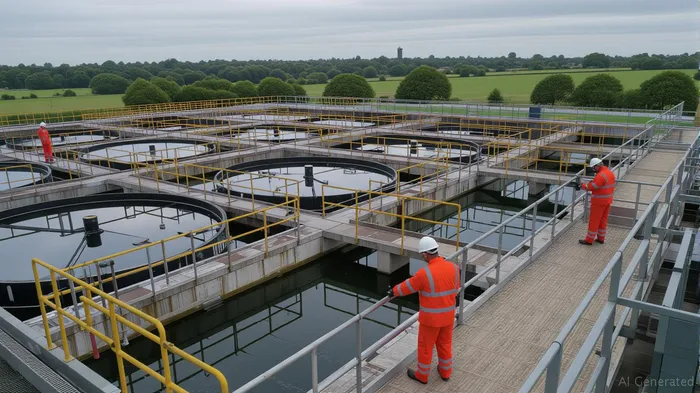
The Rescue Plan: Structure and Ambitions
The core of the plan involves £6.7bn in debt write-offs, with senior creditors absorbing a 20% haircut on their £16bn stake, while junior lenders face steeper losses. This reduces total debt to £12bn, paired with £3bn in fresh equity and £2bn in new debt. The goal is to slash leverage to below 60%, achieving investment-grade credit metrics “day one” post-restructuring.
The plan also seeks regulatory leniency, including immunity from £1.5bn in environmental fines and rebased compliance targets. Thames Water argues this “clean slate” is essential to avoid a “doom loop” of fines stifling recovery. However, Ofwat and the government remain skeptical.
Ofwat's Concerns: A Perfect Storm of Debt and Pollution
- Debt Sustainability:
- Thames Water's gearing hit 88% in early 2025, the highest in the sector. Ofwat warns that without deeper debt reductions (30–40% write-offs), credit metrics won't reach investment grade.
The Whole Business Securitisation (WBS) model, which allowed £18.3bn in offshore debt to cascade onto Thames Water's books, remains a black eye. Critics argue the plan doesn't fully dismantle this opaque structure.
Environmental Compliance:
- Thames Water's record of £123m sewage spill fines and diverted cleanup funds to bonuses has eroded trust. Ofwat and the Environment Agency oppose blanket immunity for past violations, fearing moral hazard.
- The proposed £20.5bn operational spend over five years targets leaky pipes and treatment upgrades, but execution risks loom. Past underinvestment (e.g., 20% water loss from leaks) casts doubt on delivery.
The Regulatory Hurdle: Can Compromises Be Reached?
The plan's fate hinges on Ofwat's approval of two critical asks:
- Debt Write-Downs: If regulators demand deeper cuts, senior creditors (currently trading at 60–70% recovery) may face further losses, undermining the “day one” credit rating goal.
- Environmental Immunity: A “no” here could force Thames Water to divert cash to fines instead of infrastructure, jeopardizing the turnaround.
The government's stance is equally pivotal. Environment Secretary Steve Reed has vowed, “Polluters shouldn't profit from pollution,” signaling resistance to leniency.
Operational Turnaround: Viability Under the Microscope
The £20.5bn operational spend targets:
- Leakage reduction: Fixing 20% water loss requires precision engineering, not just funding.
- Sewage treatment upgrades: Meeting rebased targets assumes Ofwat's buy-in—a big if.
- Digital infrastructure: A costly but necessary shift from outdated systems.
Yet Thames Water's track record of mismanagement—including botched IT projects and delayed AMP7 commitments—fuels skepticism. Can new leadership, including CEO Mike McTighe, deliver where predecessors failed?
Creditors vs. Long-Term Investors: A Zero-Sum Game?
Senior Secured Creditors (Class A Holders):
- Advantage: Structural priority ensures recovery of 60–70% even in a government takeover (SAR).
- Risk: Ofwat's insistence on deeper write-offs could reduce recovery to 40–50%.
Equity Stakeholders:
- Wiped out entirely under the plan, with no residual equity.
Long-Term Investors:
- Entry Point: Post-restructuring, Thames could attract capital if it achieves investment-grade status.
- Stumbling Blocks: Regulatory distrust and operational execution risks may deter institutional investors.
Key Risks to the Plan's Success
- Regulatory Rejection: If Ofwat rejects the “clean slate,” Thames Water could face SAR—a government takeover subordinating private claims.
- Execution Failure: Missed infrastructure deadlines or renewed pollution incidents would reignite fines and credit downgrades.
- Market Confidence: KKR's withdrawal left creditors in control, but their ability to coordinate large-scale restructuring is untested.
Investment Implications: Proceed with Caution
- Senior Debt Holders: A “play for patient investors.” Trading at 60–70% recovery, they offer upside to 80–90% if Ofwat compromises. But brace for volatility until regulatory clarity emerges.
- Equity/Operational Plays: Avoid. No equity survives, and operational success hinges on factors beyond financial control.
- Credit Default Swaps (CDS): Monitor spreads as a real-time gauge of restructuring confidence.
Final Verdict
The £5bn plan is a bold move, but it's a tightrope walk between creditor interests and regulatory demands. While the debt restructuring reduces leverage, Ofwat's insistence on deeper write-offs and environmental accountability could derail the path to investment-grade status.
For now, senior secured creditors hold the best hand, but their recovery hinges on regulatory compromise. Long-term investors should wait for proof of execution—both financially and environmentally—before dipping toes in.
The Thames may be navigable, but the rapids ahead are fierce.







Comentarios
Aún no hay comentarios