
Thales Warns Governments: Rethink Reliance on Starlink-Type Systems
Generado por agente de IAHarrison Brooks
martes, 4 de marzo de 2025, 6:26 pm ET1 min de lectura
PARIS (Reuters) - Thales, one of Europe's largest satellite manufacturers, has raised concerns about the risks of relying too heavily on private satellite constellations like Elon Musk's Starlink for government communications. Thales CEO Patrice Caine highlighted several challenges, including frequent satellite renewal, uncertain profitability, and geopolitical influences, which could impact the reliability and long-term sustainability of these systems.
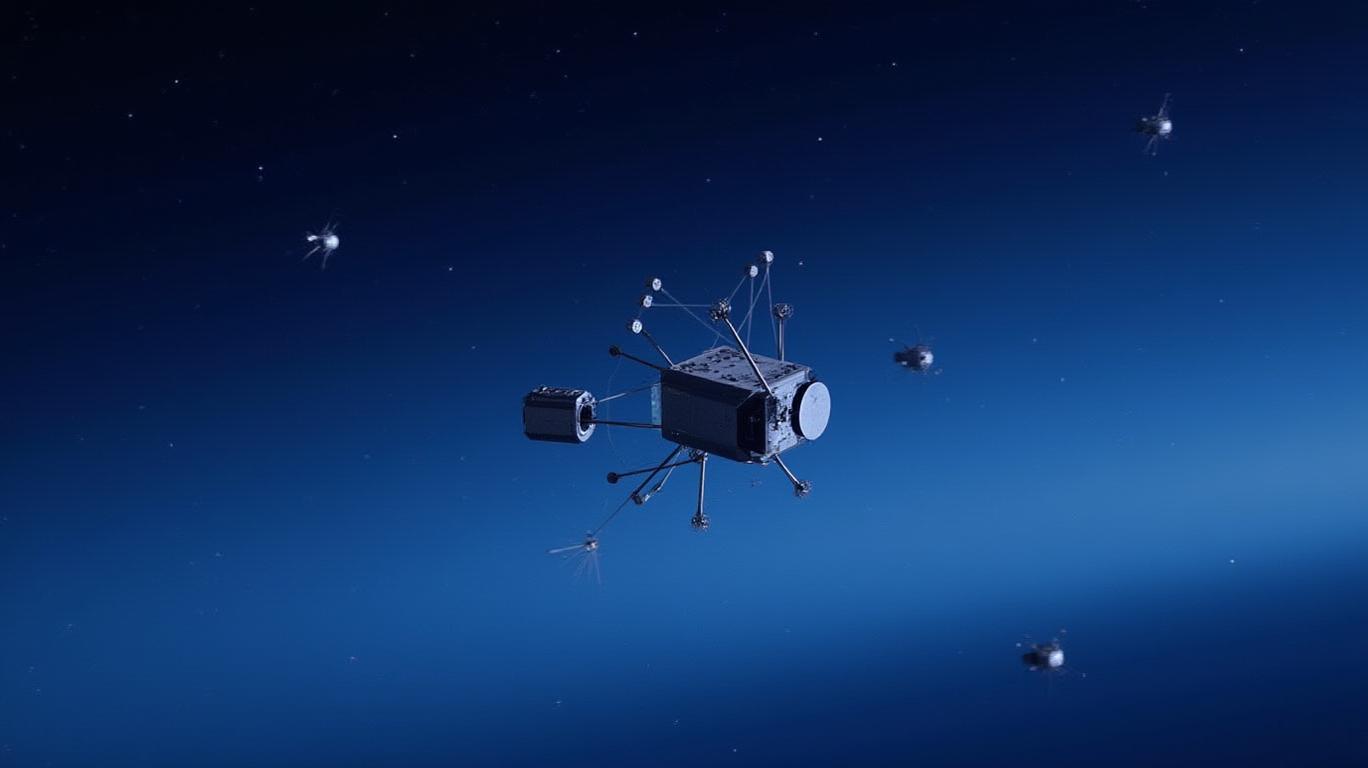
Starlink, with millions of customers globally and over 7,000 satellites, has been marketed as a secure means of accessing the internet, resilient to space-based attacks. However, Thales CEO Patrice Caine questioned the business model of Starlink, which involves frequent renewal of satellites and raised concerns about its profitability. He warned that governments need reliability, visibility, and stability in their communications infrastructure, and that relying on a player who mixes economic rationale and political motivation may not reassure certain clients.
SpaceX, the company behind Starlink, has not yet responded to a request for comment. Starlink has captured key markets by deploying satellites far quicker than rivals, such as Europe's OneWeb, using its reusable Falcon 9 rockets. However, this rapid deployment and replacement strategy could lead to inconsistencies in performance and reliability, as older satellites are replaced.
Moreover, the uncertain profitability of Starlink's business model could lead to financial instability, which could in turn affect the company's ability to maintain and upgrade its satellite constellation. If Starlink faces financial difficulties, it may struggle to invest in new technologies or maintain the existing infrastructure, leading to a decline in service quality and reliability.
European governments have chosen to commission assets more directly under their control, such as the future Iris2 constellation for secure networks. This approach ensures that governments have more control over their communications infrastructure and can better guarantee its reliability and long-term sustainability.

In conclusion, Thales has warned governments about the risks of relying too heavily on private satellite constellations like Starlink for their communications infrastructure. While Starlink has achieved rapid growth and market penetration, its financial stability and ability to maintain consistent service quality remain uncertain. European governments, on the other hand, have chosen to invest in their own secure networks to ensure greater control and reliability. As governments consider their options for secure communications, they should carefully evaluate the risks and benefits of relying on private satellite constellations versus investing in their own secure networks.



Divulgación editorial y transparencia de la IA: Ainvest News utiliza tecnología avanzada de Modelos de Lenguaje Largo (LLM) para sintetizar y analizar datos de mercado en tiempo real. Para garantizar los más altos estándares de integridad, cada artículo se somete a un riguroso proceso de verificación con participación humana.
Mientras la IA asiste en el procesamiento de datos y la redacción inicial, un miembro editorial profesional de Ainvest revisa, verifica y aprueba de forma independiente todo el contenido para garantizar su precisión y cumplimiento con los estándares editoriales de Ainvest Fintech Inc. Esta supervisión humana está diseñada para mitigar las alucinaciones de la IA y garantizar el contexto financiero.
Advertencia sobre inversiones: Este contenido se proporciona únicamente con fines informativos y no constituye asesoramiento profesional de inversión, legal o financiero. Los mercados conllevan riesgos inherentes. Se recomienda a los usuarios que realicen una investigación independiente o consulten a un asesor financiero certificado antes de tomar cualquier decisión. Ainvest Fintech Inc. se exime de toda responsabilidad por las acciones tomadas con base en esta información. ¿Encontró un error? Reportar un problema




Comentarios
Aún no hay comentarios