
Thailand's Trade Crossroads: Navigating the Storm of US Tariffs and Delayed Negotiations
The postponement of Thailand-U.S. trade talks, originally slated for April 23, 2025, has thrown the Southeast Asian nation into a high-stakes game of economic whack-a-mole. With U.S. tariffs now at a punishing 36%—more than double the regional average—Thailand faces a critical juncture. The delay leaves unresolved the question of whether negotiations can avert a full-blown trade war that threatens its export-dependent economy.
The Tariff Sword of Damacles
The U.S. Trade Representative (USTR) has wielded its “Reciprocal Tariffs” policy with particular force against Thailand, imposing a 36% tariff rate—far exceeding the global average of 16% and Asia’s 21%. This punitive measure stems from the U.S.’s $28 billion trade deficit with Thailand, which the Trump administration blames on non-tariff barriers, intellectual property disputes, and labor rights issues.
The stakes are enormous for Thailand’s key industries. 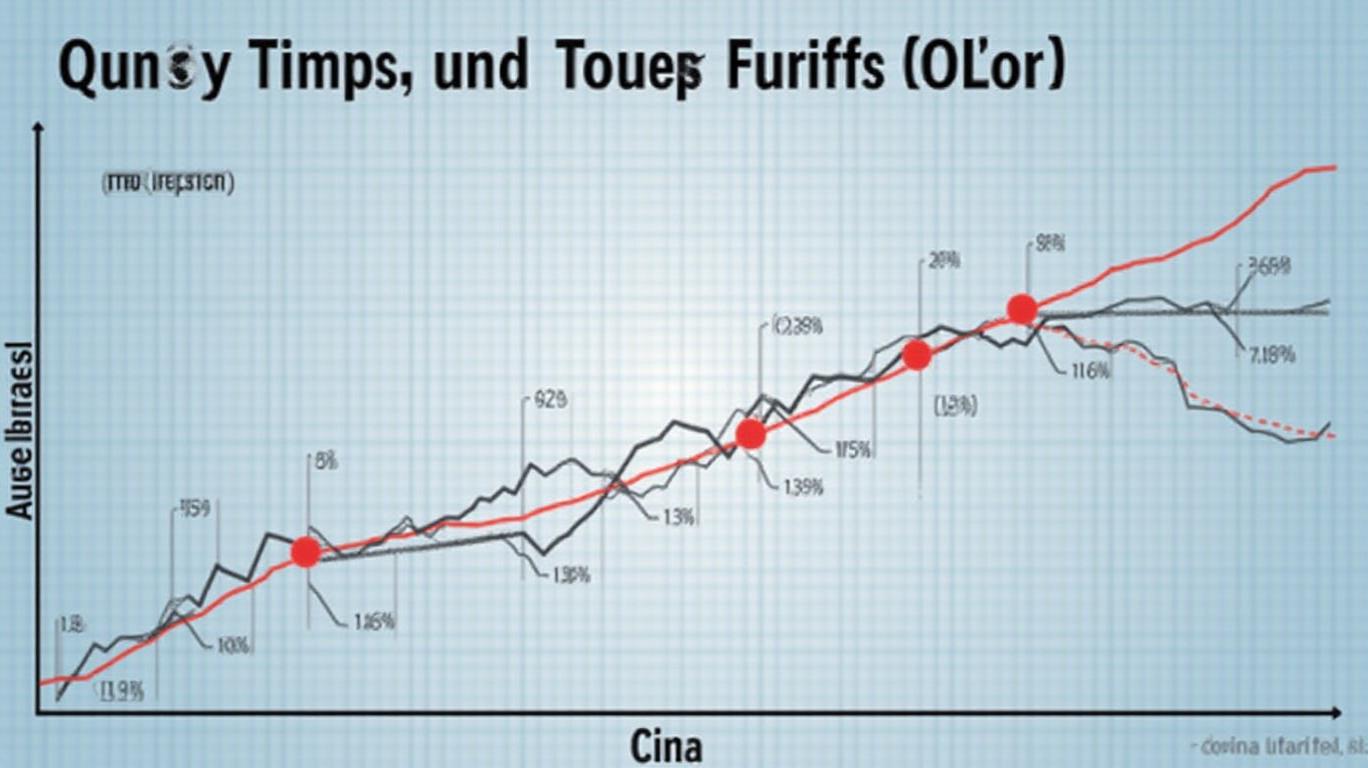 . Electronics giants like Delta Electronics and KCE Electronics—reliant on U.S. sales for 20-30% of their revenue—are already feeling the pinch. reveal a downward trajectory since the tariffs were announced, with KCE’s shares dropping 15% since January.
A Fragile Economic Foundation
Despite strong first-quarter export growth (13.6% in January, 14% in February), Thailand’s Commerce Ministry warns that the second quarter could see a reversal. The U.S. tariffs threaten to derail this momentum. Analysts at Krungsri Securities note that sectors like automotive and petrochemicals—critical to Thailand’s $800 billion economy—face steep headwinds. Meanwhile, Maybank Securities’ Chak Reungsinpinya raises the specter of Chinese “dumping” into Thailand’s market, further weakening its manufacturing competitiveness.
The tourism sector, which contributes 12% to GDP, is also vulnerable. The Tourism Council of Thailand reports that Chinese visitor numbers—a key market—have already fallen due to safety concerns, and the trade war’s economic fallout could worsen this decline.
Government Strategies: Buying Time or Buying Trouble?
Thailand’s government is scrambling to mitigate the damage. The Federation of Thai Industries (FTI) has proposed a bold strategy: purchasing high-value U.S. military technology to shrink the trade surplus. While this could placate the U.S., it risks diverting capital from domestic infrastructure projects. The Employers’ Confederation warns of job losses and an economic slowdown worse than the 1997 financial crisis or pandemic.
The Thai Chamber of Commerce has urged the formation of a “Team Thailand” negotiation team, involving private-sector voices, to push the U.S. to accept increased imports of energy, agricultural goods, and military equipment. Yet with U.S. Section 232 investigations looming over semiconductors and pharmaceuticals, even a successful negotiation might not be enough.
The Numbers Tell the Story
The Siam Commercial Bank’s Economic Intelligence Center (SCB EIC) paints a dire picture: Thailand’s GDP growth could drop below 2% if tariffs persist. . Exports, which grew 13.6% in January, now face a double-digit decline in the coming months. The automotive industry alone stands to lose $4.2 billion in annual exports to the U.S., according to the Thailand Automotive Association.
Conclusion: A High-Wire Act for Investors
Thailand’s economy is at a crossroads. The delayed talks and punitive tariffs have created a “lose-lose” scenario: either negotiate concessions that strain public finances or face a prolonged trade war that erodes export competitiveness.
Investors should closely monitor two key metrics:
1. Negotiation Timeline: A rescheduled talks date could unlock a 10-15% rebound in Thailand’s stock market (SET Index), as uncertainty eases.
2. Sector Resilience: Companies with U.S. revenue exposure, like DELTA and KCE, need to pivot toward regional markets or face margin compression.
The SCB EIC’s warning of GDP below 2% underscores the fragility of Thailand’s growth model. Without swift resolution, investors may see capital flight from Thai equities and bonds—a stark reminder that in trade wars, even allies can become collateral damage.
The clock is ticking. For Thailand, the path forward hinges on diplomacy, diversification, and the willingness of Washington to see beyond its tariff ledger.







Comentarios
Aún no hay comentarios