
Thailand's Monetary Policy Outlook and Emerging Market Opportunities: Strategic Positioning Ahead of Anticipated BoT Easing
Strategic Positioning in a Low-Rate Environment
The Bank of Thailand (BoT) has cemented its accommodative stance in 2025, maintaining the policy rate at 1.50% during its October 2025 meeting, according to an Act & Align outlook. This decision, supported by a 5–2 MPC vote, reflects a cumulative 100-basis-point easing since October 2024, marking the lowest rate since February 2023, according to a FocusEconomics report. While two MPC members advocated for an additional 25-basis-point cut to 1.25%, the central bank emphasized vigilance against deflationary pressures and trade uncertainties, particularly U.S. policy-driven export slumps and subdued inflation below its 1–3% target, as noted in the Act & Align outlook.
Market forecasts suggest the easing cycle will extend into 2026, with the policy rate potentially reaching 1.00% by year-end, according to a BOI robotics guide. This trajectory underscores the BoT's commitment to using monetary stimulus as a countermeasure against prolonged economic headwinds, including a tourism slowdown and weak domestic demand, as highlighted in a UOB analysis. For investors, this signals a prolonged low-rate environment, creating fertile ground for strategic positioning in sectors poised to benefit from currency depreciation and fiscal stimulus.
Export-Driven Sectors and Structural Reforms
The BoT's easing is expected to weaken the Thai baht, directly boosting export-oriented industries. According to a Deloitte report, a depreciating baht could enhance revenue for manufacturers, logistics providers, and robotics firms, aligning with the government's Eastern Economic Corridor (EEC) initiative. The EEC, supported by the Board of Investment (BOI), offers tax holidays and streamlined approvals for foreign investors in automation and digital transformation projects, as outlined in the BOI robotics guide.
Key beneficiaries include:
1. Robotics and Automation: The BOI has prioritized robotics as a cornerstone of Thailand 4.0, offering incentives for firms integrating AI and advanced manufacturing, per the BOI robotics guide.
2. Digital Economy: With inflation subdued, lower borrowing costs will accelerate investments in fintech, e-commerce, and cloud infrastructure, a trend noted in the Act & Align outlook.
3. Sustainable Tourism: As the baht weakens, Thailand's tourism sector-projected to rebound in 2025-could see increased foreign visitor spending, supported by green tourism initiatives described in the Deloitte report.
FocusEconomics highlights that Thailand's manufacturing and logistics sectors are already seeing momentum, with automation adoption rising 12% year-to-date. This trend is expected to accelerate as the BoT's easing reduces capital costs for firms leveraging EEC incentives.
Strategic Entry Points for Investors
To capitalize on these dynamics, investors should prioritize:
- Early-Stage Automation Firms: Target companies with EEC-qualified projects, particularly those serving automotive or electronics supply chains, as identified in the BOI robotics guide.
- Currency-Hedged Export Portfolios: Allocate to sectors where baht depreciation directly boosts margins, such as textiles, agricultural exports, and semiconductor manufacturing, consistent with the Deloitte report.
- Green Infrastructure: Align with Thailand 4.0's sustainability goals by investing in renewable energy projects or eco-tourism ventures, opportunities highlighted in the Act & Align outlook.
However, risks remain. U.S. trade policy shifts could disrupt export growth, while prolonged low inflation may delay rate normalization. Investors must balance these uncertainties with the BoT's forward guidance, which emphasizes agility in response to macroeconomic shocks, as noted in the UOB analysis.
Conclusion
Thailand's monetary easing cycle presents a unique window for strategic entry into sectors primed for growth. By aligning with the BoT's accommodative stance and leveraging structural reforms like the EEC, investors can position themselves to capitalize on both short-term currency-driven gains and long-term digital and green transitions. As the central bank signals further easing, the time to act is now-before the window narrows.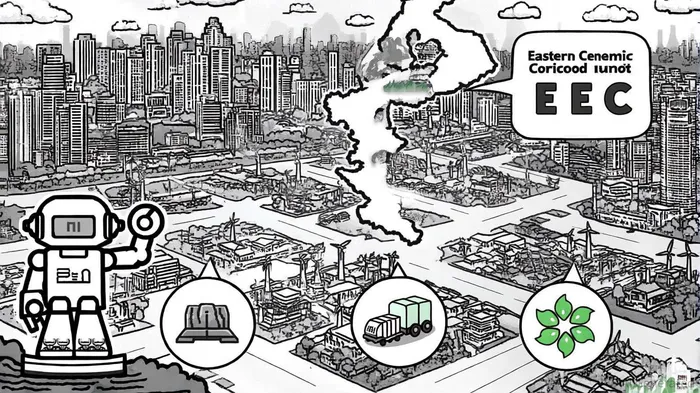







Comentarios
Aún no hay comentarios