
Thailand's Car Trade-In Scheme: A Lifeline for the Automotive Industry?
Generado por agente de IAWesley Park
viernes, 28 de febrero de 2025, 1:18 pm ET1 min de lectura
HMC--
Thailand's automotive industry is facing its most significant crisis in decades, with sales plummeting and production grinding to a halt. In a bid to revive the sector, the Thai government is considering a car trade-in and scrapping scheme, which could provide a much-needed lifeline for manufacturers and consumers alike. But what exactly is this scheme, and how might it impact the market share of established Japanese automakers like ToyotaTM-- and Honda?
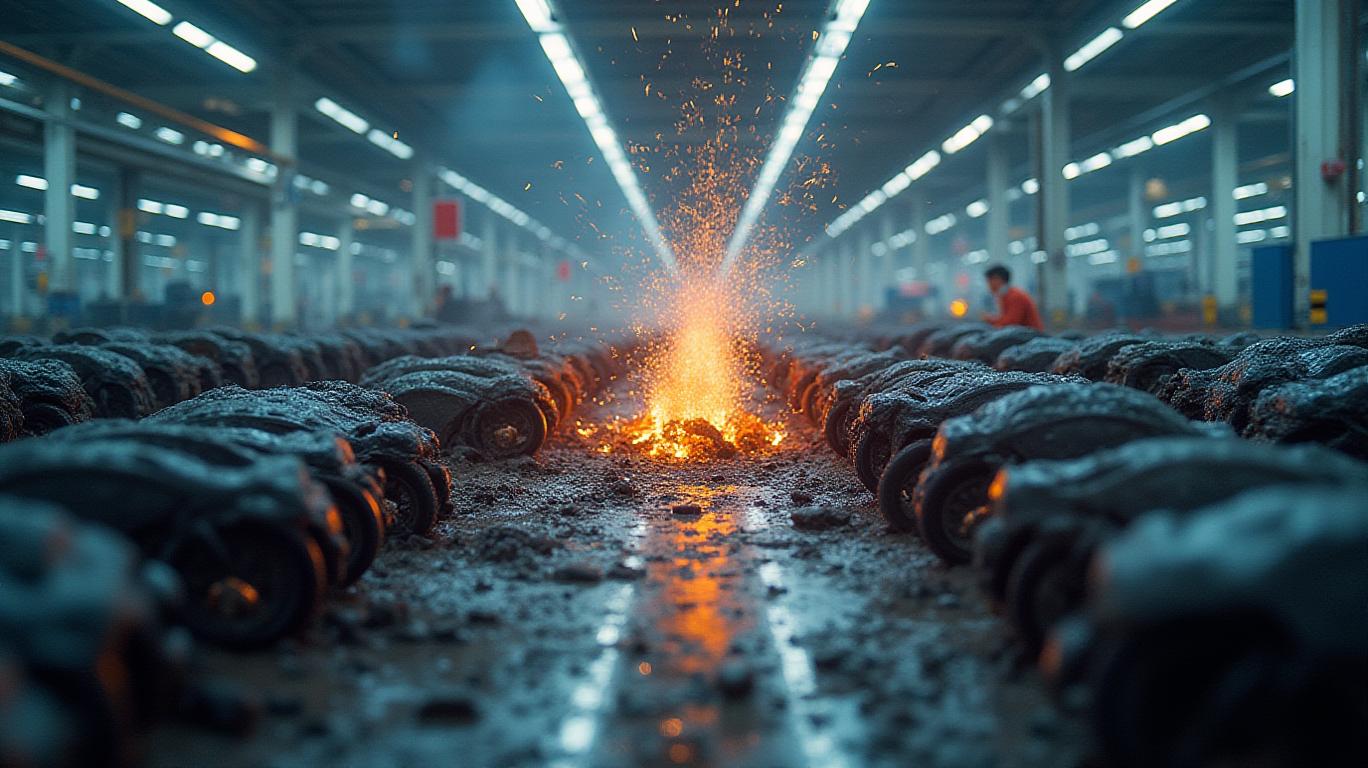
The proposed scheme would allow consumers to trade in their old vehicles for discounts on new purchases, with the traded-in cars being scrapped. This would not only encourage consumers to upgrade to newer, more efficient vehicles but also help address the environmental concerns associated with aging vehicles. The scheme is still in the early stages of discussion, but industry officials and sources have confirmed that carmakers are pushing hard for its implementation.
One of the primary challenges facing the Thai automotive industry is the influx of Chinese electric vehicle (EV) manufacturers, which have been aggressively expanding their presence in the country. The proposed trade-in scheme could help established Japanese automakers like Toyota and HondaHMC-- compete with these new entrants by making their vehicles more affordable through trade-in discounts. Additionally, the scheme could encourage consumers to upgrade to newer, more efficient vehicles produced by these established automakers, helping them maintain their market share.
However, the success of the scheme in addressing the challenges posed by Chinese EV manufacturers will depend on various factors, such as the specific details of the scheme, the level of consumer interest, and the competitive response from these new entrants. It is essential to monitor the implementation and impact of the scheme to assess its effectiveness in maintaining the market share of established Japanese automakers.
In conclusion, Thailand's proposed car trade-in and scrapping scheme could provide a much-needed lifeline for the country's struggling automotive industry. By encouraging consumers to upgrade to newer, more efficient vehicles and helping established automakers compete with Chinese EV manufacturers, the scheme could help revive the sector and address environmental concerns. However, the success of the scheme will depend on various factors, and it is crucial to monitor its implementation and impact to assess its effectiveness. As an investor, keeping a close eye on the developments in the Thai automotive industry could provide valuable insights into potential investment opportunities in the sector.
TM--
Thailand's automotive industry is facing its most significant crisis in decades, with sales plummeting and production grinding to a halt. In a bid to revive the sector, the Thai government is considering a car trade-in and scrapping scheme, which could provide a much-needed lifeline for manufacturers and consumers alike. But what exactly is this scheme, and how might it impact the market share of established Japanese automakers like ToyotaTM-- and Honda?
The proposed scheme would allow consumers to trade in their old vehicles for discounts on new purchases, with the traded-in cars being scrapped. This would not only encourage consumers to upgrade to newer, more efficient vehicles but also help address the environmental concerns associated with aging vehicles. The scheme is still in the early stages of discussion, but industry officials and sources have confirmed that carmakers are pushing hard for its implementation.
One of the primary challenges facing the Thai automotive industry is the influx of Chinese electric vehicle (EV) manufacturers, which have been aggressively expanding their presence in the country. The proposed trade-in scheme could help established Japanese automakers like Toyota and HondaHMC-- compete with these new entrants by making their vehicles more affordable through trade-in discounts. Additionally, the scheme could encourage consumers to upgrade to newer, more efficient vehicles produced by these established automakers, helping them maintain their market share.
However, the success of the scheme in addressing the challenges posed by Chinese EV manufacturers will depend on various factors, such as the specific details of the scheme, the level of consumer interest, and the competitive response from these new entrants. It is essential to monitor the implementation and impact of the scheme to assess its effectiveness in maintaining the market share of established Japanese automakers.
In conclusion, Thailand's proposed car trade-in and scrapping scheme could provide a much-needed lifeline for the country's struggling automotive industry. By encouraging consumers to upgrade to newer, more efficient vehicles and helping established automakers compete with Chinese EV manufacturers, the scheme could help revive the sector and address environmental concerns. However, the success of the scheme will depend on various factors, and it is crucial to monitor its implementation and impact to assess its effectiveness. As an investor, keeping a close eye on the developments in the Thai automotive industry could provide valuable insights into potential investment opportunities in the sector.

Divulgación editorial y transparencia de la IA: Ainvest News utiliza tecnología avanzada de Modelos de Lenguaje Largo (LLM) para sintetizar y analizar datos de mercado en tiempo real. Para garantizar los más altos estándares de integridad, cada artículo se somete a un riguroso proceso de verificación con participación humana.
Mientras la IA asiste en el procesamiento de datos y la redacción inicial, un miembro editorial profesional de Ainvest revisa, verifica y aprueba de forma independiente todo el contenido para garantizar su precisión y cumplimiento con los estándares editoriales de Ainvest Fintech Inc. Esta supervisión humana está diseñada para mitigar las alucinaciones de la IA y garantizar el contexto financiero.
Advertencia sobre inversiones: Este contenido se proporciona únicamente con fines informativos y no constituye asesoramiento profesional de inversión, legal o financiero. Los mercados conllevan riesgos inherentes. Se recomienda a los usuarios que realicen una investigación independiente o consulten a un asesor financiero certificado antes de tomar cualquier decisión. Ainvest Fintech Inc. se exime de toda responsabilidad por las acciones tomadas con base en esta información. ¿Encontró un error? Reportar un problema


SOBRE NOSOTROS
Nuestra historiaAutores de noticiasBase de conocimientosPolítica de privacidadTérmino de usoDescargo de responsabilidad de corretaje de tercerosTérminos de uso de AIMEDivulgaciones de riesgos de AInvest AICarrerasCONTÁCTENOS
Email: support@ainvest.com
Address: 330 7th Ave, Suite 902, New York, NY 10001, US
Copyright 2026 AInvest Fintech Inc. All rights reserved.


Comentarios
Aún no hay comentarios