
Thai Industry Braces for Influx of Chinese Goods After US Tariff
Generado por agente de IAWesley Park
miércoles, 5 de febrero de 2025, 3:39 am ET2 min de lectura
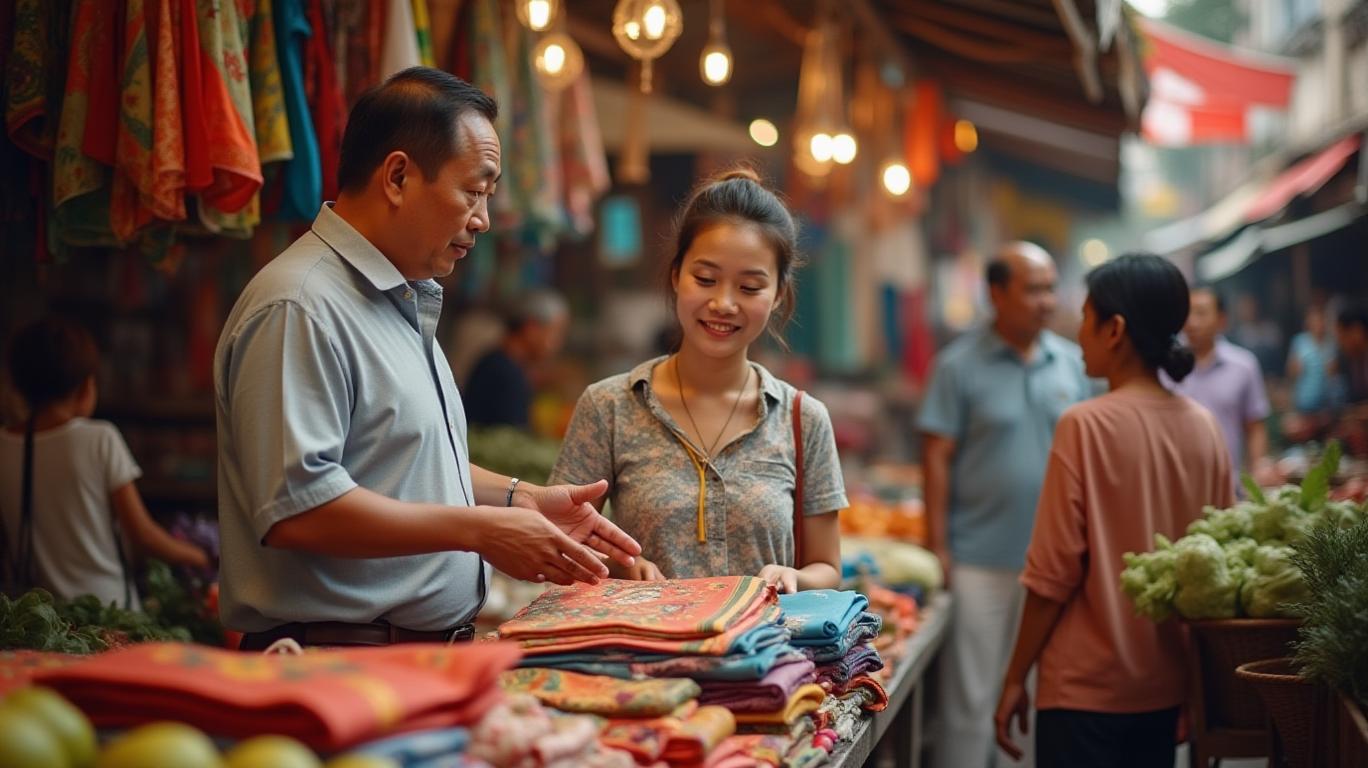
The Thai industry is bracing itself for an influx of cheap Chinese goods following the potential imposition of US tariffs on Chinese imports. This development could have significant implications for Thai businesses, particularly small and medium-sized enterprises (SMEs), which may struggle to compete with the lower-priced Chinese products.
According to a note by Bualuang Securities, Thai manufacturers are already facing increased competition from cheap Chinese imports, especially in steel and consumer goods like clothing and footwear. This is due to China's aggressive exporting, driven by overcapacity and unfavorable domestic conditions. The impact varies across different product categories, with some facing high risks due to high import value growth and significant import share relative to local sales.
To mitigate the effects of the influx of Chinese goods, Thai SMEs can consider several strategies:
1. Diversify export markets: Thai companies should reduce their reliance on the U.S. and Chinese economies for their exports by exploring new markets. This diversification can help offset the impact of increased competition from Chinese goods in traditional markets.
2. Encourage production of finished goods: The Thai government can encourage companies to produce more finished goods for export, which can absorb intermediate goods and help local industries maintain their competitiveness.
3. Strengthen inward foreign direct investment (FDI): Thailand can promote itself as a viable and attractive destination for manufacturers looking to move their production out of China. This can help offset the impact of cheap Chinese imports by attracting new investments and creating new opportunities for local businesses.
4. Support suppliers affected by the trade conflict: The Thai government can help suppliers affected by the trade conflict to restructure their operations and diversify their strategies. This can include supporting Thai companies' outward direct investment efforts and providing financial assistance to help them adapt to the changing market conditions.
5. Enforce product quality standards: The Thai government can work with organizations like the Thai Industrial Standards Institute (TISI) and the FDA to enforce product quality standards and ensure that imported goods meet the necessary safety and quality requirements. This can help protect local consumers and maintain the competitiveness of Thai industries.
6. Promote fair competition: The Thai government can work to ensure fair competition by addressing issues like under-declaration of goods' value and enforcing tax laws. This can help level the playing field for local businesses and prevent the influx of low-cost goods from undermining their competitiveness.
By implementing these strategies, Thai SMEs can better navigate the challenges posed by the influx of cheap Chinese goods and maintain their competitiveness in the global market. The Thai government also has a crucial role to play in managing the influx of Chinese goods and supporting local industries while maintaining a balance with international trade. These measures will help Thailand ensure economic stability and growth in the face of increased competition from Chinese goods.
In conclusion, the Thai industry is facing a potential influx of cheap Chinese goods following the potential imposition of US tariffs on Chinese imports. To mitigate the effects, Thai SMEs can diversify their export markets, encourage the production of finished goods, strengthen inward FDI, support suppliers affected by the trade conflict, enforce product quality standards, and promote fair competition. The Thai government also has a vital role in managing the influx of Chinese goods and supporting local industries while balancing the need for international trade. By taking these measures, Thailand can ensure economic stability and growth in the face of increased competition from Chinese goods.



Divulgación editorial y transparencia de la IA: Ainvest News utiliza tecnología avanzada de Modelos de Lenguaje Largo (LLM) para sintetizar y analizar datos de mercado en tiempo real. Para garantizar los más altos estándares de integridad, cada artículo se somete a un riguroso proceso de verificación con participación humana.
Mientras la IA asiste en el procesamiento de datos y la redacción inicial, un miembro editorial profesional de Ainvest revisa, verifica y aprueba de forma independiente todo el contenido para garantizar su precisión y cumplimiento con los estándares editoriales de Ainvest Fintech Inc. Esta supervisión humana está diseñada para mitigar las alucinaciones de la IA y garantizar el contexto financiero.
Advertencia sobre inversiones: Este contenido se proporciona únicamente con fines informativos y no constituye asesoramiento profesional de inversión, legal o financiero. Los mercados conllevan riesgos inherentes. Se recomienda a los usuarios que realicen una investigación independiente o consulten a un asesor financiero certificado antes de tomar cualquier decisión. Ainvest Fintech Inc. se exime de toda responsabilidad por las acciones tomadas con base en esta información. ¿Encontró un error? Reportar un problema


SOBRE NOSOTROS
Nuestra historiaAutores de noticiasBase de conocimientosPolítica de privacidadTérmino de usoDescargo de responsabilidad de corretaje de tercerosTérminos de uso de AIMEDivulgaciones de riesgos de AInvest AICarrerasCONTÁCTENOS
Email: support@ainvest.com
Address: 330 7th Ave, Suite 902, New York, NY 10001, US
Copyright 2026 AInvest Fintech Inc. All rights reserved.


Comentarios
Aún no hay comentarios