
Thai Baht's Crossroads: How U.S. Tariff Talks Could Redefine Export-Powered Growth
The fate of Thailand's economy hinges on its ongoing negotiations with the U.S. to avoid a 36% tariff hike on exports by July 9. A successful agreement to reduce tariffs to 10% could stabilize the Thai Baht (THB) at a targeted 37-38/USD, bolster export competitiveness, and attract capital to undervalued Thai assets. However, delays or a failure to reach terms risk deepening the economic slowdown and further weakening the currency. Here's why investors should pay close attention—and consider a contrarian bet now.
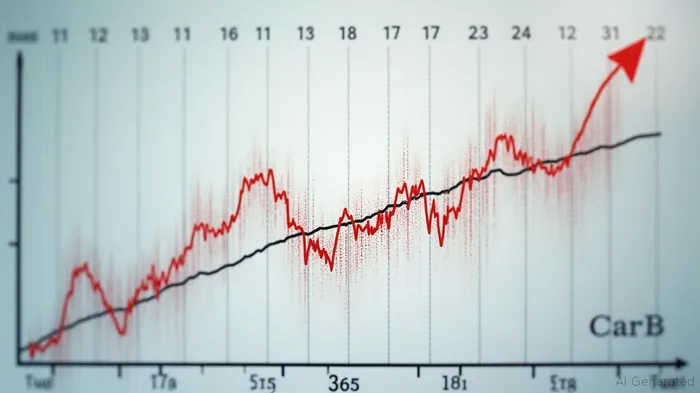
Currency Valuation: The Tariff-Exchange Rate Tug-of-War
The THBTHG-- has traded near 32.45/USD recently, but its trajectory is tied directly to the outcome of these talks. A 36% tariff would likely trigger capital flight, pushing the THB toward its 2024 low of 34.80/USD or beyond. Conversely, a 10% tariff resolution could ease market fears, allowing the THB to stabilize near 37-38/USD—a level the Thai central bank views as sustainable for export competitiveness.
The reveals how trade tensions have driven volatility. A resolution now would remove a key overhang, potentially reversing the currency's recent weakness.
Export Competitiveness: A Lifeline for Key Sectors
Thailand's automotive sector, which accounts for 25% of its $45.6 billion U.S. trade surplus, stands to gain the most from a 10% tariff. Lower tariffs would offset costs for U.S. buyers of Thai-made vehicles and parts, while a weaker THB (if stabilized at 37-38/USD) would further reduce dollar-denominated export prices.
Electronics and agriculture sectors, though less tariff-sensitive, could also benefit indirectly. Thai firms like HANA Microelectronics (semiconductors) and CP Group (agriculture) might see improved margins as global supply chains adjust to reduced trade barriers.
Investment Implications: Equities and Bonds in the Crosshairs
- Equities: A resolution would likely lift the SET Index, which has lagged regional peers amid tariff fears. The shows underperformance, suggesting a rebound potential of 10-15% if tariffs are reduced. Sectors like automotive (e.g., Auto Alliance) and consumer goods (e.g., CP All) could lead the charge.
- Bonds: Thai 10-year government bonds currently yield ~3.5%, attractive compared to U.S. Treasuries. A tariff deal could reduce inflation risks (import costs would stabilize) and lower yields further, boosting bond prices.
The Contrarian Play: Buy Before the Dust Settles
The market is pricing in uncertainty: Thai assets are undervalued, and volatility offers a buying opportunity. Consider:
1. THB-denominated ETFs: Exposure to SET Index ETFs (e.g., THD) at current levels could capture a rebound.
2. Sovereign Debt: Bonds like the TMBK10232 (10-year) offer yield pickup with reduced risk post-resolution.
3. Sector-Specific Picks: Auto stocks and tech firms with U.S. exposure stand to gain disproportionately.
Risks: The Cost of Failure
- Currency Crisis: A 36% tariff could push the THB to 39-40/USD, worsening import costs and inflation.
- Export Collapse: The automotive sector alone faces a $7 billion annual loss, potentially shrinking GDP by 1.5%.
- Capital Flight: Foreign investors may flee, widening bond spreads and hurting equity liquidity.
Conclusion: Time to Bet on Thai Resilience
The July 9 deadline is a binary event for Thailand's economy. While risks are real, the path of least resistance points to a negotiated deal—given the Pheu Thai government's economic survival stakes and U.S. interest in reducing deficits. Investors who buy Thai assets now, while fears are elevated, could capitalize on a resolution-driven rally. The THB's stabilization at 37-38/USD, export growth rebound, and improved investor sentiment all align to make this a compelling contrarian opportunity.
Action Items:
- Allocate 3-5% of emerging market exposure to Thai equities via SET ETFs.
- Add Thai sovereign bonds for yield stability.
- Monitor the for confirmation of a deal.
The clock is ticking—but so is the opportunity.







Comentarios
Aún no hay comentarios