
Why Texas Is A Top Choice For Business Growth In 2026
Texas is a top relocation destination for companies due to favorable tax rates and business-friendly regulations.
, emphasizing structured oversight of risk and cybersecurity.
High-net-worth individuals like Travis Kalanick are moving to Texas to avoid California's wealth tax, .
The state's business environment is attracting major tech and energy firms, signaling a shift in corporate strategy.
Texas's lack of state income tax and streamlined regulatory framework make it an attractive location for companies seeking to reduce operational costs.
Texas has become a prime destination for companies and high-net-worth individuals seeking a more favorable business and financial environment. With its no-state-income-tax policy and streamlined regulatory framework, Texas is attracting firms that are rethinking their geographic strategies. OracleORCL-- and TeslaTSLA-- have relocated to the state, signaling a broader trend toward cost-effective and scalable business growth. The absence of financial burdens like California's proposed wealth tax has also made Texas a strategic relocation choice for high-profile entrepreneurs and executives. As companies and individuals continue to prioritize operational efficiency and tax advantages, Texas is fast becoming a central hub for American business expansion.
Why Is Texas A Magnet For Corporate Relocations?
Texas's appeal lies in a combination of strategic policies and economic incentives. The state offers a business-friendly environment that includes no state income tax, streamlined regulatory procedures, and competitive operational costs. These factors have led to a surge in corporate relocations, particularly from California. For example, Oracle and Tesla have both chosen Texas as a new operational base, citing the state's advantageous tax structure and business climate. Additionally, Texas has invested heavily in infrastructure and workforce development, making it easier for companies to scale operations efficiently.
Valero Energy, a major energy company, has also made Texas a central part of its growth strategy. As of December 2025, the company , emphasizing structured risk management and cybersecurity oversight. This level of investment underscores Texas's capacity to support large-scale, high-tech industries. 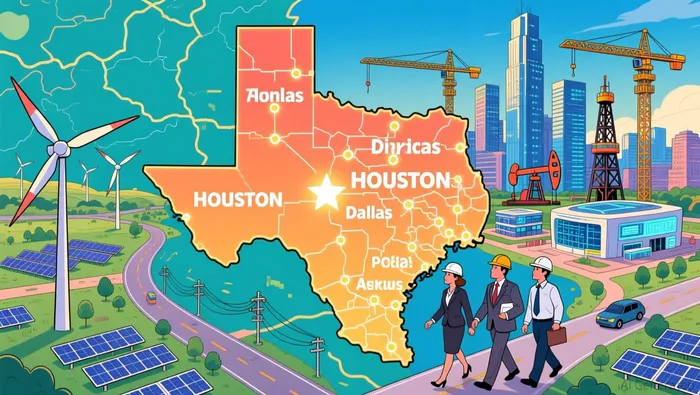 The state's ability to attract and retain major firms in both traditional and emerging sectors makes it an increasingly attractive location for business expansion.
How Texas Avoids The Tax Burden Of Other States
One of the most significant factors driving relocation to Texas is its tax policy. Unlike California, which has proposed a wealth tax on high-net-worth individuals, Texas imposes no state income tax. This has prompted high-profile moves such as 's relocation to Austin to avoid California's upcoming tax changes. Kalanick, the co-founder of , . These strategic relocations highlight how tax policy can influence both individual and corporate decisions.
For businesses, the absence of a state income tax means higher profit margins and greater flexibility in financial planning. This has made Texas a preferred location for companies looking to reduce operational costs without sacrificing access to talent or infrastructure. The state's business-friendly policies are particularly appealing to technology and energy firms that require a robust infrastructure and skilled workforce. As more companies consider shifting their operations to Texas, the state is likely to see continued economic growth and investment.
What Texas's Trends Mean For Investors
Investors should pay close attention to Texas's growing influence in the corporate world. The state's ability to attract major firms and high-profile individuals indicates a strong and stable business environment. For companies like Valero Energy, the state's support for sustainable practices and technological innovation offers long-term benefits. This trend is likely to continue, especially as more firms seek to reduce exposure to high-tax states and regulatory complexity.
The relocation of major corporations and the continued investment in Texas's infrastructure suggest a favorable outlook for the state's economy. This, in turn, could drive further growth in sectors like energy, technology, and manufacturing. For investors, this means that companies operating in Texas may offer increased resilience and growth potential, particularly in industries that are expanding within the state. As the business landscape continues to evolve, Texas's strategic advantages are likely to play a key role in shaping corporate and investment decisions.





Comentarios
Aún no hay comentarios