
Texas Moves to Protect Potential Bitcoin Reserve with HB 4488
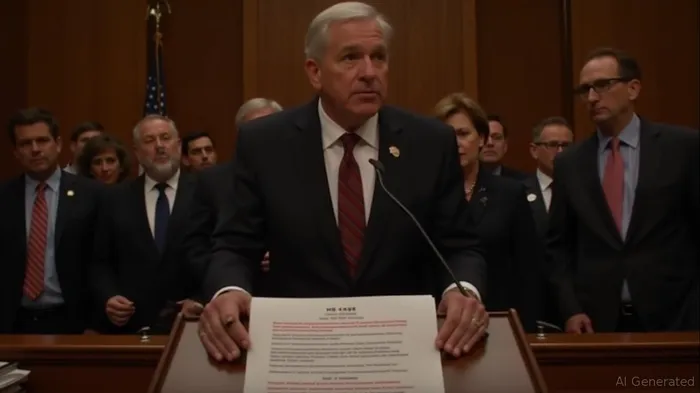
Texas has taken a significant step forward in its approach to cryptocurrency with the signing of House Bill 4488 (HB 4488) into law by Governor Greg AbbottABT--. This legislative measure is designed to safeguard specific state funds, including those that could be allocated to a future Bitcoin reserve. The bill ensures that these funds will not be absorbed into the general state treasury, providing a legal framework for the protection of dedicated financial reserves.
HB 4488 specifically mentions the Texas Strategic Bitcoin Reserve, a potential fund that could make Texas one of the first states in the U.S. to formally integrate Bitcoin into its financial infrastructure. The bill also protects other specialized funds, such as the Texas Advanced Nuclear Development Fund and the Gulf Coast Protection Account, under the same provisions. This move underscores Texas' commitment to embracing technological innovation and diversifying its financial strategies.
The creation of the Bitcoin reserve itself is contingent on the passage of Senate Bill 21 (SB21). This bill, if signed into law, would authorize the state to invest in digital assets with a market capitalization of $500 billion or more. Currently, only Bitcoin meets this criterion, positioning it as the sole candidate for such a strategic investment. Governor Abbott has until June 22 to either sign or veto SB21. If no action is taken, the bill will automatically become law.
The potential investment in Bitcoin by the state of Texas represents a significant shift in how governments view digital assets. Traditionally, public treasuries have been cautious about cryptocurrencies due to their volatility and regulatory uncertainties. However, Texas is taking a proactive stance, recognizing the potential benefits of holding Bitcoin as part of a diversified reserve. Proponents argue that Bitcoin's decentralized nature and historical price growth make it an attractive asset, offering a hedge against inflation and long-term value.
Critics, however, point to the risks associated with digital currencies, including price volatility and regulatory uncertainties. Despite these concerns, the structure of HB4488 indicates that Texas is proceeding with caution. The bill does not mandate the creation of a Bitcoin reserve; it simply ensures that if such a fund is established, it will be protected from being dissolved into general revenue.
The passage of HB4488 is a pivotal moment in the evolving relationship between U.S. states and the world of cryptocurrency. Texas has quickly become a hub for cryptocurrency activity, with mining operations and blockchain-friendly policies. The proposed Bitcoin reserve aligns with this trajectory, symbolizing the state's commitment to innovation. If SB21 becomes law, Texas will further cement its position as a national leader in crypto policy and infrastructure.
As the deadline for Governor Abbott's decision on SB21 approaches, all eyes are on the potential impact of this legislation. If signed, Texas will take a pioneering step in formally recognizing Bitcoin as a strategic asset worth protecting at the state level. If vetoed, the state's plans for a Bitcoin reserve may be delayed or derailed, though the protective provisions of HB4488 will remain in place for other dedicated funds.
Regardless of the outcome, Texas is actively engaging with the crypto revolution, positioning itself as a leader in the integration of digital assets into mainstream finance. The state's proactive stance could serve as a model for other regions considering similar moves, highlighting the potential benefits and challenges of embracing cryptocurrency at a governmental level.






Comentarios
Aún no hay comentarios